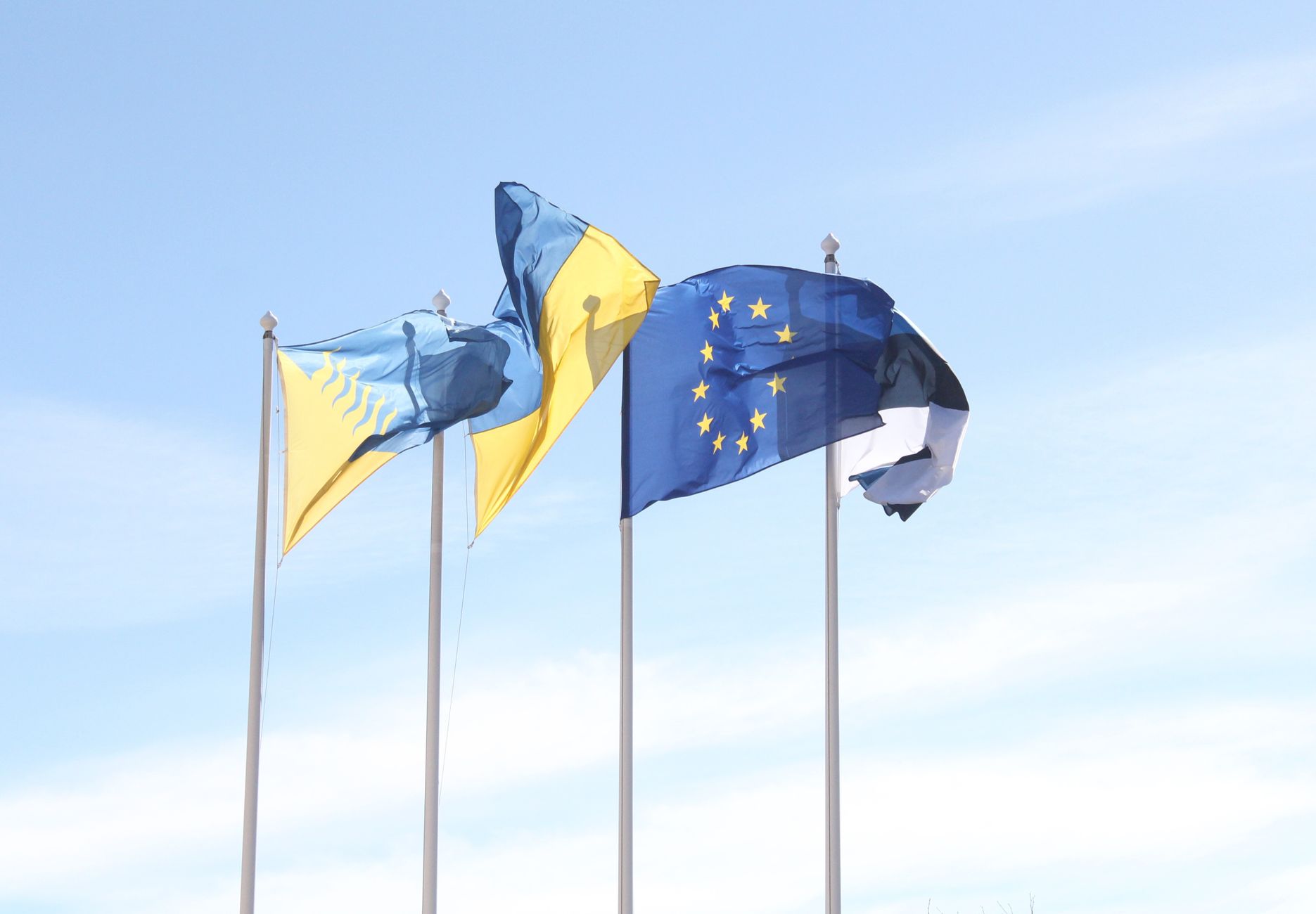
Europe’s political class has spent years promising that the Union would become more sovereign, more resilient, and more capable of defending itself. In 2026, those slogans are colliding with reality: Russia’s war in Ukraine, uncertainty over U.S. security commitments, and a bruising trade environment are forcing EU institutions to make choices they have preferred to postpone.[1][3][4]
The dominant theme in Brussels is no longer integration for its own sake, but survival under pressure. Analysts and EU officials alike are warning that the combination of external threat and internal fiscal strain is narrowing the Union’s room for maneuver just as demands are rising for defense, industrial policy, migration management, and climate spending.[1][2]
That is why the debate around the next budget cycle matters more than most summit communiqués admit. Antonio Costa has framed the argument in stark terms: competitiveness, sovereignty, and trade are now intertwined, and the next multiannual budget must support both security and cohesion if Europe is to avoid a two-speed Union.[2][6]
Yet cohesion is exactly what a low-growth Europe risks losing. The IMF projects euro area growth at just 1.1 percent in 2026 and EU growth at 1.3 percent, warning that broad support measures and open-ended crisis spending can crowd out the investments Europe needs to reduce vulnerability.[3] In practice, that means the Union is being asked to do more with less, at the very moment its political consensus is least forgiving.
The deeper problem is that Europe’s strategic ambition still exceeds its institutional habits. The EU can identify the threats clearly enough: war, tariffs, migration pressure, and a possibly less dependable United States.[1][4] What remains unresolved is whether its leaders are prepared to redesign the budget, market rules, and security architecture fast enough to match that diagnosis.