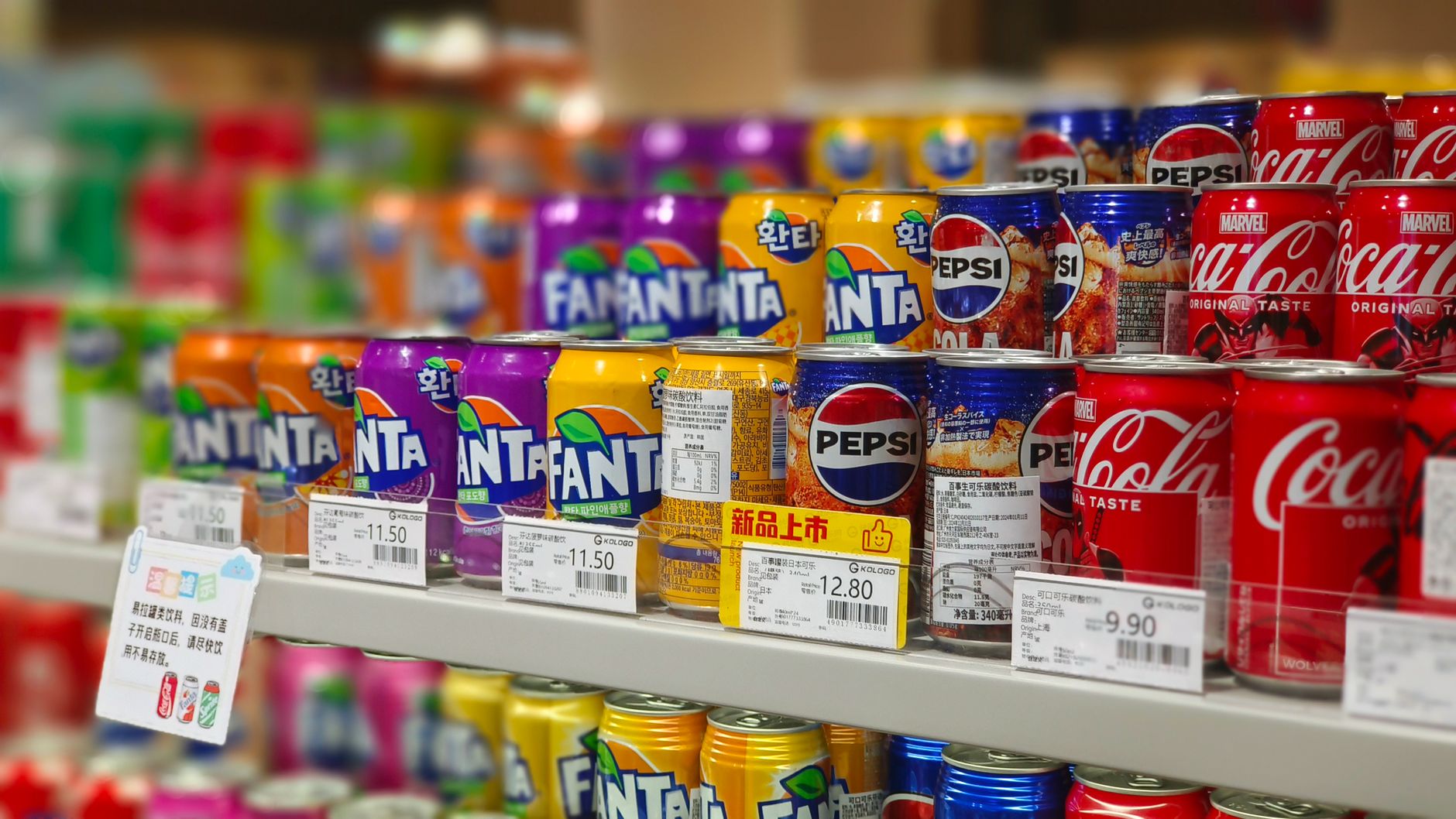
The dominant domestic issue in 2026 is no longer abstract ideology. It is affordability, a blunt, household-level verdict on whether the system is working for ordinary people. That theme is shaping elections, narrowing political arguments, and forcing both parties to speak in the language of cost.
Voters are reacting less to macroeconomic talking points than to the daily math of survival. If wages rise but rent rises faster, the public does not hear recovery. If inflation cools but prices stay high, the political damage remains. The country may be statistically improving in some categories, yet the lived experience still feels expensive and unstable.
That gap helps explain why candidates across the political spectrum are sounding more populist and less managerial. The old promise was competence. The new demand is relief. Even policy ideas once treated as fringe are getting more traction when they can be sold as immediate answers to a broken bill stack.
This is also changing the tone of national debate. Culture-war messaging still exists, but it is no longer the only language that matters. When families are watching grocery receipts, utility bills, and housing costs, the political reward goes to whoever can explain why life still feels unaffordable after years of recovery rhetoric.
The deeper danger for Washington is that affordability is not a single issue but a political wrapper for many failures at once: housing supply, healthcare costs, student debt, childcare, transportation, and wages. That makes it powerful as a campaign theme and brutal as a governing problem, because there is no one fix to announce on a stage.