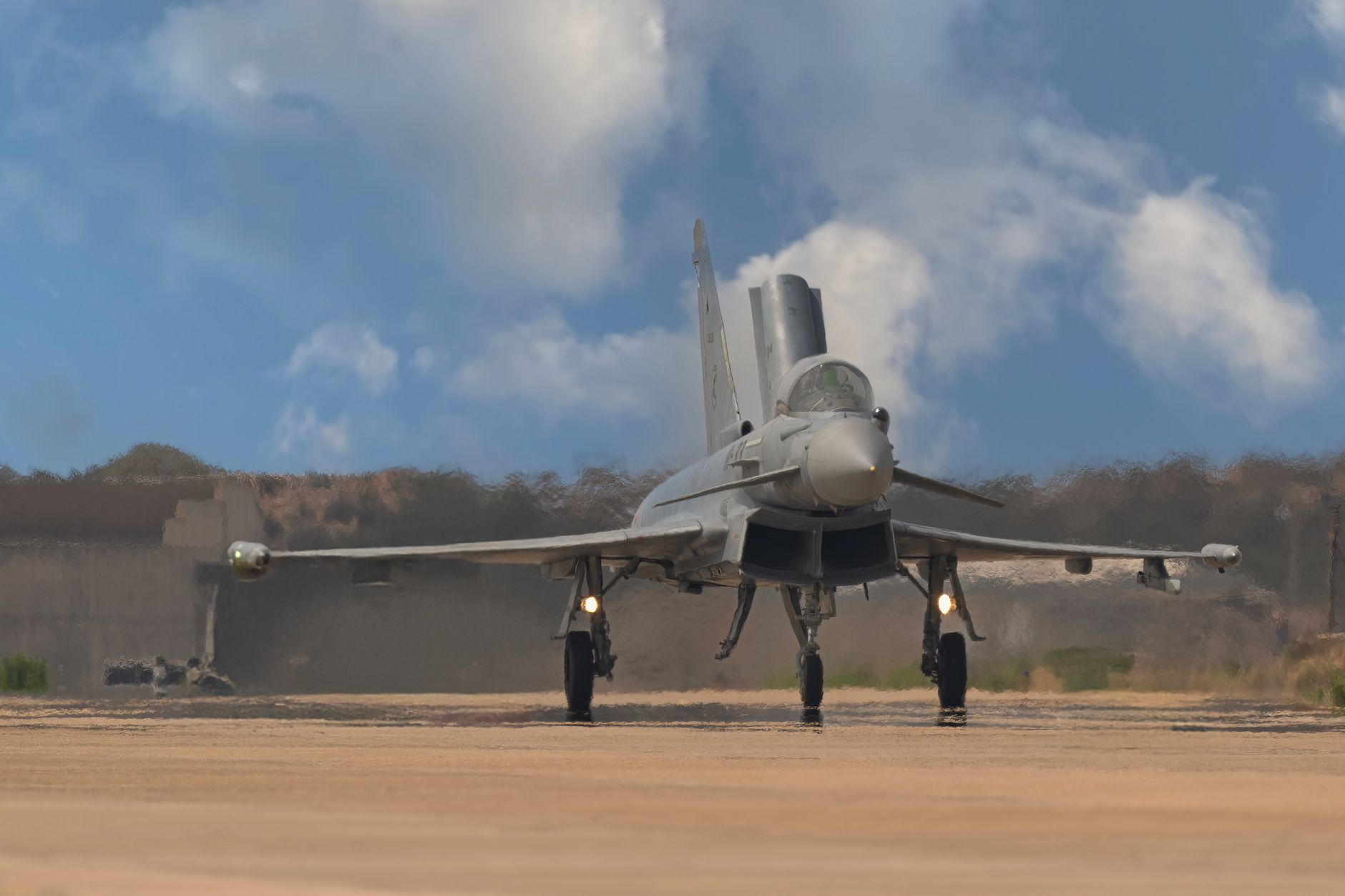
The European defense landscape in 2026 is defined by alarming capability gaps that have been exposed by Russia's relentless war in Ukraine and the Kremlin's expanding geographical reach into European soil. Anti-democratic forces and parties, some backed by the Kremlin, are actively threatening the social systems and democracy in Europe, creating a security environment where the threat is not just on the border but within the political institutions of member states. This internal erosion of democracy, combined with the external pressure of the war, has forced a complete overhaul of Europe's military posture, yet stalled defense programs and political instability continue to hamper decisive action.
The transatlantic relationship is under unprecedented pressure as Donald Trump's return to the White House has renewed the specter of troop withdrawals from NATO and triggered a bruising trade clash that complicates defense cooperation. The United States has crossed the Rubicon in its security relationship with the EU, handing over responsibility for conventional military forces to European allies and signaling that the US national security strategy views Europe as a partner that must now shoulder its own conventional defense burdens. This shift has left Europe exposed and stretched, with the US no longer providing the insurance that once guaranteed a stable security environment for the last 80 years.
China presents a parallel threat, making an ideological and policy commitment to dividing and dismantling the European Union while leveraging export controls and blockades to abruptly cut Europe off from semiconductors and raw materials. Coordinated cyber attacks could disrupt energy grids and transport networks, while AI-enabled drones could decide the outcome of regional conflicts, creating a multifaceted security crisis that demands a unified European response. The EU-China relations have shifted from economic partnership to strategic rivalry, with Beijing actively plotting to weaken the EU's authority through economic and ideological means.
As global power balances shift and the rules-based international order comes under pressure, Europe must close its defense capability gaps and make critical choices that will shape its future security. The EU's new security strategy requires a disciplined alliance of partners to counter the Kremlin's reach and China's divisive tactics, ensuring that the Union can defend its democratic values and territorial integrity. The year 2026 will be decisive for the European Union, as it navigates the crossroads of security, prosperity, and democratic values in a rapidly changing global order.