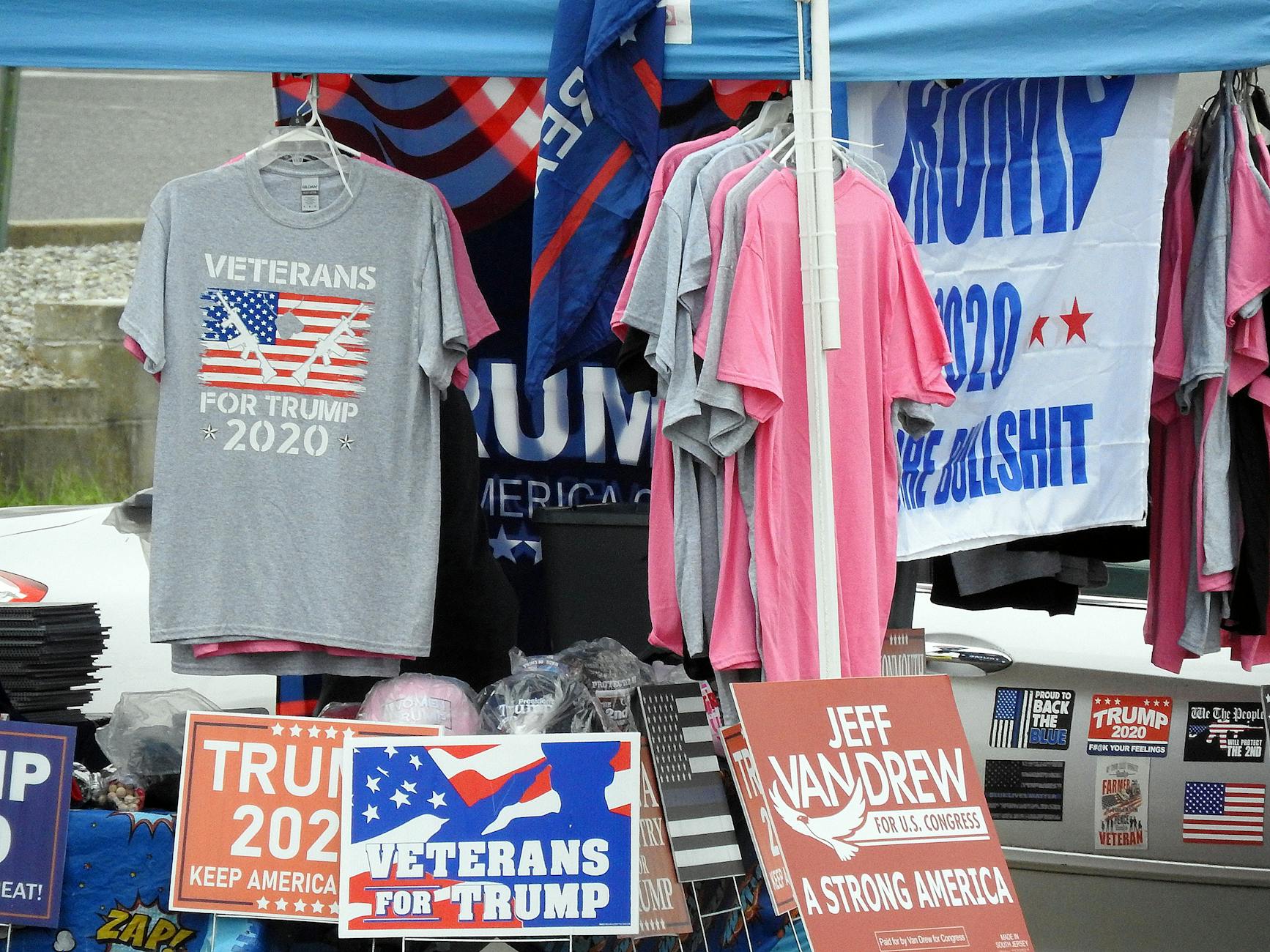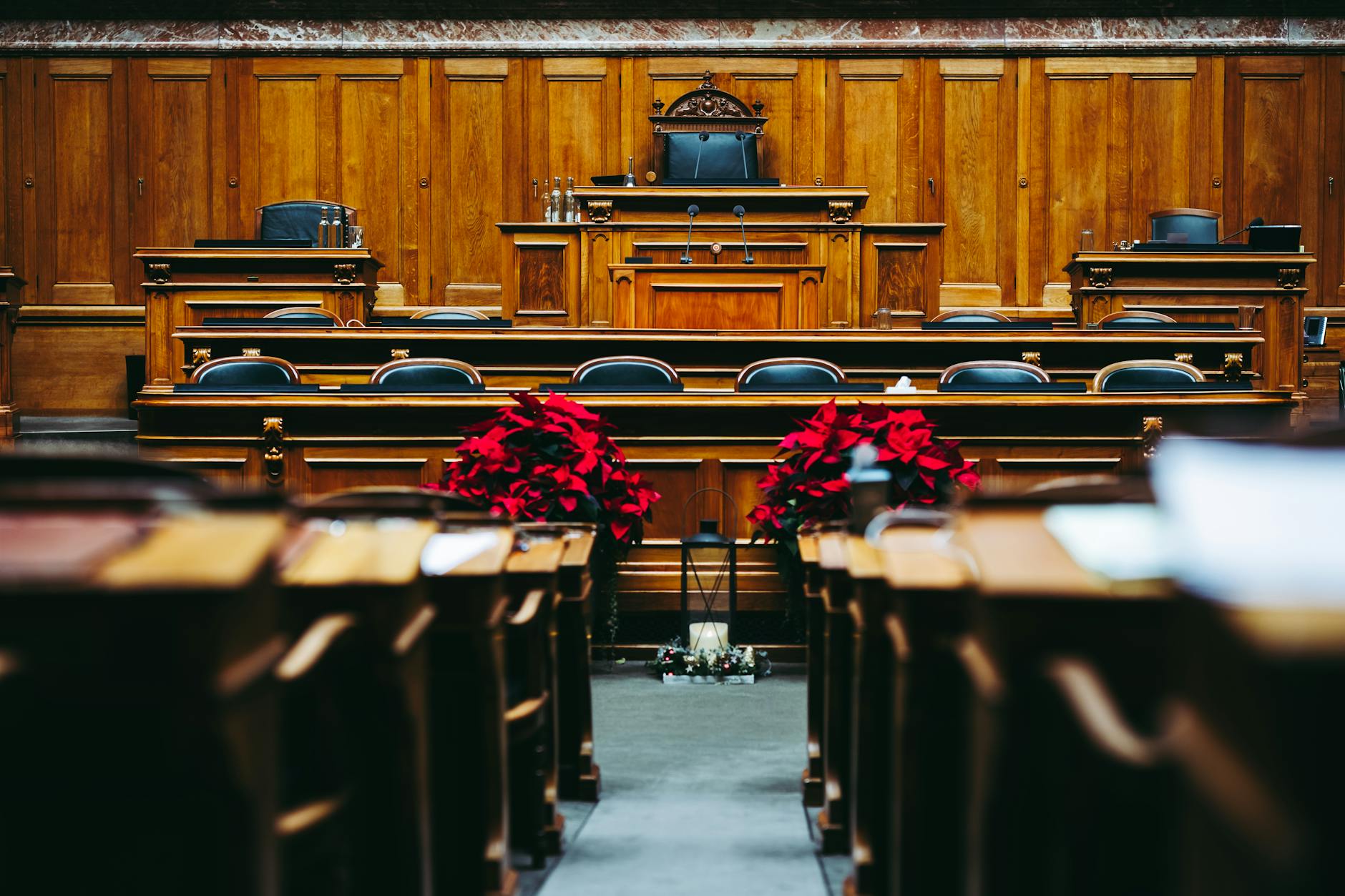
The 120th Congress is facing its most significant internal struggle as gridlock stalls legislation and President Trump's administration relies increasingly on executive orders to bypass legislative hurdles. Lawmakers, particularly Republicans, are launching a procedural counteroffensive to reassert their role in governance, arguing that the executive's broadened scope undermines the Constitution's checks and balances. This power play has become the defining political narrative of early 2026, with the key question being whether Congress can effectively check the presidency or if unilateral executive action becomes the new standard of American politics.
Tensions are already palpable over the affordability-focused reconciliation package, which remains the most viable route for significant legislation before the November elections. However, expectations for this bill are modest, and the year has already begun with dangerous debates over Affordable Care Act subsidies and the looming risk of another government shutdown. These issues are consuming political capital that opposition parties hope to leverage against the administration's record on cost of living and inflation.
The courts are also stepping into the fray, pushing back dramatically against the administration's attempts to control voting roles and expand emergency powers. This judicial resistance has created a three-way showdown between the executive, legislative, and judicial branches, further complicating the political landscape. As midterms approach, the public is watching closely to see which branch ultimately prevails in shaping the nation's policy direction.
This gridlock is not merely procedural; it reflects a deeper realignment in the country's political culture, where the debate is increasingly framed as a clash between democracy and autocracy. The administration's reliance on unchecked executive power is being challenged by a coalition of lawmakers and judges who view these actions as a threat to the rule of law. With the 250th anniversary of the United States approaching in July, the timing of this constitutional struggle adds a layer of historical poignancy to the current crisis.