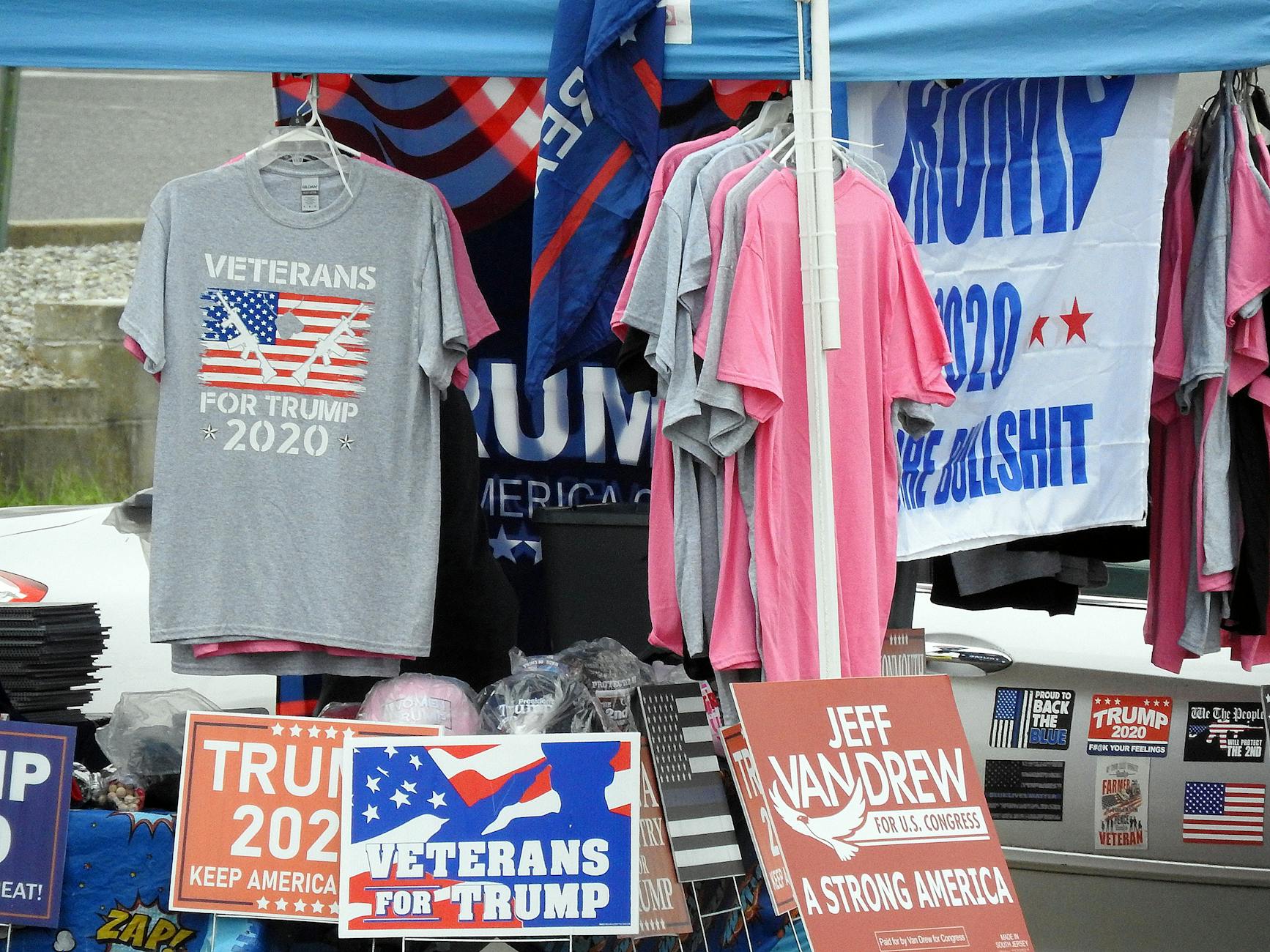
The 2026 midterm elections are poised to be a historic turning point as harsh immigration policies and tariff wars begin to fracture the Republican base. Early 2026 crackdowns in Minnesota and across the country have triggered a sharp decline in President Trump's approval ratings on these critical issues, according to multiple polls. The traditional MAGA unity is showing cracks, with voters increasingly concerned about the cost of living and the economic fallout of the administration's 'America First' trade agenda.
While the 'culture war' themes of 2024, such as transgender identity and 'wokeness,' have lost traction, the conflating of conservative and patriotic values is now the central pillar of Republican campaigns. However, Democrats are countering with a potent message focused on affordability in housing and healthcare, directly linking these issues to the president's economic policies. This strategy is gaining ground as the public weighs the impact of inflation against the administration's promises of economic strength.
The Cook Political Report's April 2026 analysis reveals a tight race, with Democrats leading in 213 of the 435 House races and Republicans in 205, while 17 are toss-ups. Notably, 14 of those toss-ups feature Republican incumbents, suggesting that the party's lead in the House is far from secure. With all 435 House seats and 35 Senate seats up for election, the stakes for both parties are immense as they head toward Election Day on November 3.
The election is also being marked by the administration's controversial claims about election fairness, despite evidence that voter fraud is extremely rare. This narrative is being used to mobilize the base, but it risks further alienating moderate voters who prioritize stability and security. As the primaries roll from March to September 2026, the battle for the House and Senate will define the political landscape for the next decade, with the outcome likely to hinge on the administration's ability to retain its fractured base.