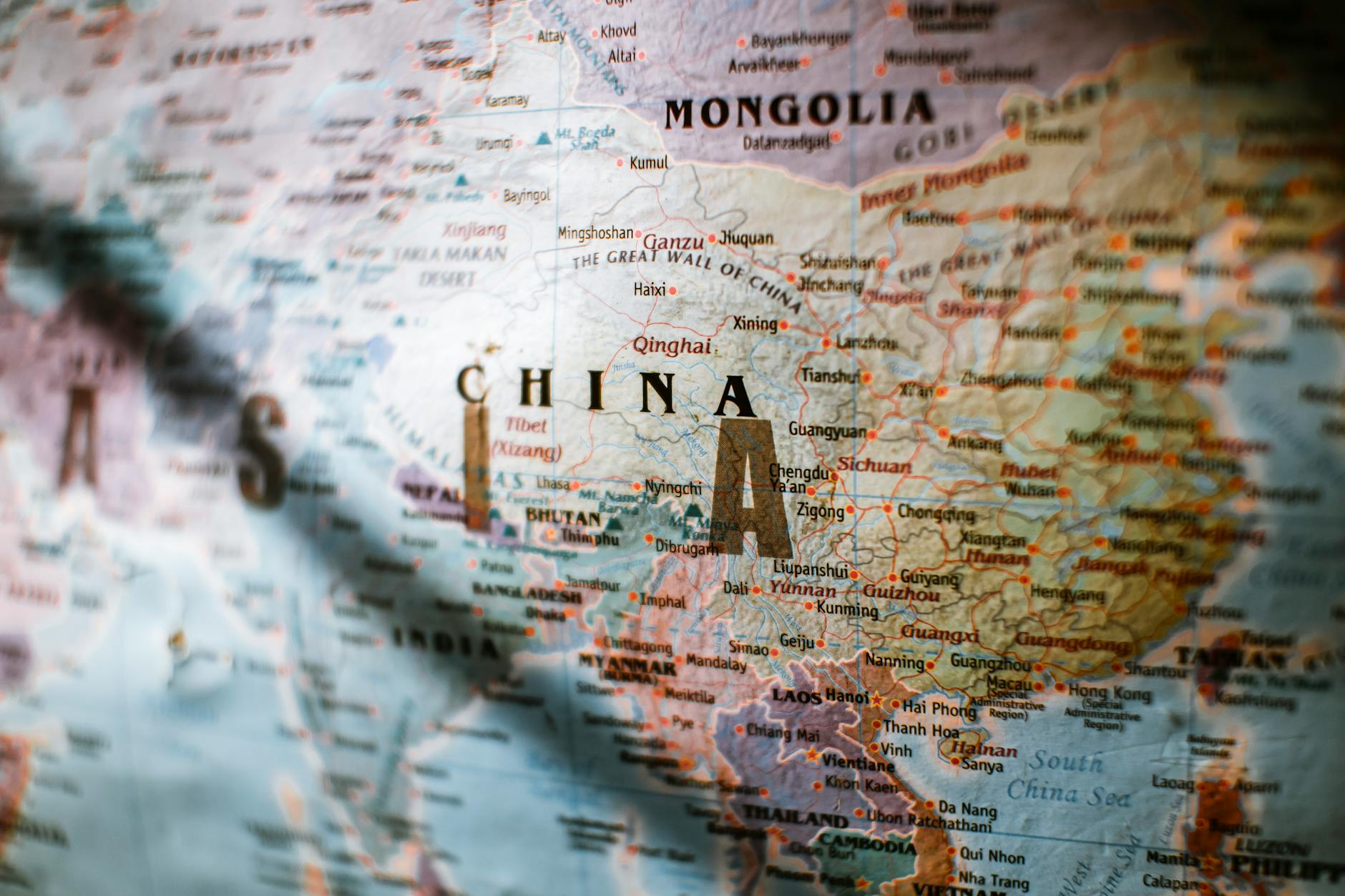
Beijing is rapidly tightening its neighborhood through a combination of infrastructure investment, symbolic diplomacy, and trade assurances. In Mongolia, a joint communiqué reaffirmed mutual respect for sovereignty and non-interference, with both sides aligning China's Belt and Road framework with Mongolia's Steppe Road Program. This agreement explicitly pledges that neither side will join alliances or conclude third-party treaties aimed against the other, effectively securing Mongolia as a neutral buffer in the Eurasian corridor.
In Southeast Asia, the trend is equally pronounced as China deepens its influence in Nepal and Cambodia. The state welcome for Myanmar's military ruler, Min Aung Hlaing, in Beijing marked a significant diplomatic milestone. Xi Jinping affirmed support for Myanmar's development and security, while both nations signed 18 cooperation documents covering cross-border transport, free trade, and disaster assistance. The inclusion of leaders from Kachin and Shan states underscored Beijing's critical concern with border stability, trade routes, and resource access.
Nepal's careful outreach to Beijing further illustrates the region's shift toward Chinese economic and political integration. These moves are not isolated events but part of a cohesive strategy to convert strategic dependence into political leverage. By securing these partnerships, China is building a network of allies that can withstand external pressure and provide alternative pathways for trade and investment.
The United States and Iran's preliminary memorandum to extend their ceasefire and reopen the Strait of Hormuz presents a counter-narrative, yet China's focus remains on consolidating its regional footprint. As strategic dependence is increasingly converted into political leverage, the Indo-Pacific's security architecture is being reshaped by Beijing's assertive neighborhood policy. This shift challenges the traditional US-led alliance network and forces a reevaluation of regional security priorities.