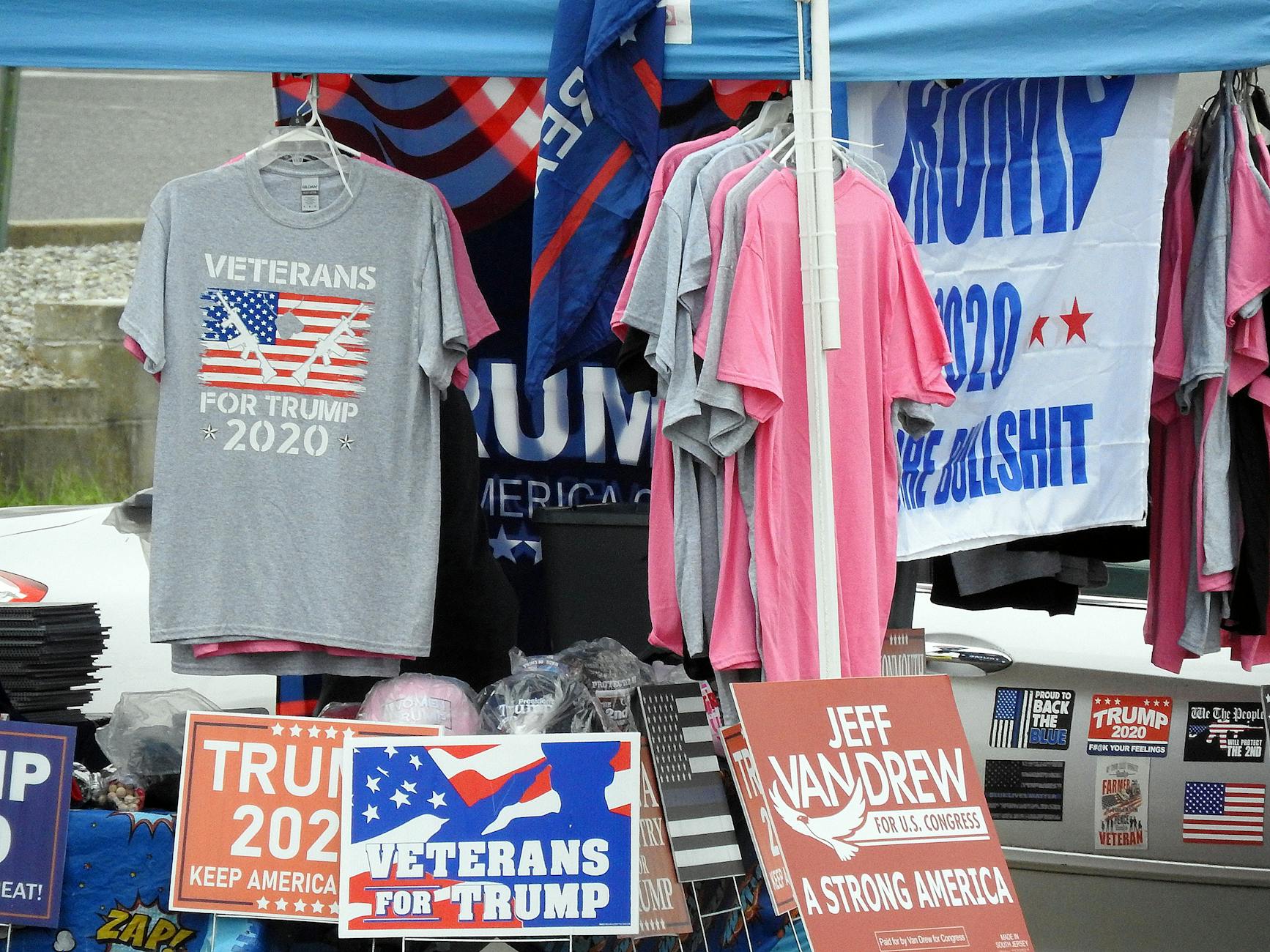
The political landscape in the United States is shifting dramatically as the 2026 midterm elections loom on November 3. With all 435 House seats and 35 Senate seats up for grabs, the outcome will determine control of the 120th Congress. The Cook Political Report indicates Democrats leading in 213 races, while Republicans hold 205, with 17 toss-ups—most featuring Republican incumbents. This tight margin suggests a potential repudiation of President Trump’s second, nonconsecutive term.
Key issues driving voter sentiment include the economy and immigration, both of which have traditionally been Trump’s strongest assets. However, aggressive tariff policies and harsh immigration crackdowns, such as those implemented in Minnesota in early 2026, have alienated key voter blocs. Polls show a steady decline in Trump’s approval ratings on these fronts, signaling deep public dissatisfaction.
The administration has responded with a renewed focus on election fairness, despite evidence that voter fraud remains extremely rare. Trump’s rhetoric about electoral security has intensified, echoing concerns that mirror authoritarian tactics seen in other nations. Critics argue this strategy undermines democratic norms and risks further polarizing the electorate.
Meanwhile, the courts are pushing back against attempts to control voting roles, as seen in recent rulings that block controversial changes to voter registration. This judicial resistance adds another layer of complexity to the electoral process. As primaries unfold from March through September, the race for congressional seats becomes a battlefield for ideology, power, and the future of American democracy.