Introduction: The Dawn of a New Gaming Era
The summer of 2026 did not merely arrive; it erupted. As the gaming calendar turned to June, the industry witnessed a convergence of legacy, innovation, and surprise that reshaped the very foundations of how we play. From the beloved corridors of Final Fantasy to the sun-drenched, pixelated landscapes of Solarpunk, June 3rd through June 18th became a defining period for PlayStation, Xbox, Nintendo, and PC alike.
This was no ordinary release month. It was the moment when the once-rigid boundaries between platforms began to dissolve, replaced by a fluid, cross-platform reality where the Switch 2 hosted the most anticipated JRPG in decades, and indie darlings like Killer Bean found their way into the early-access fold of Steam. The summer of gaming has officially begun, and its first act is a masterpiece of synthesis.
Final Fantasy VII Rebirth: The Event That Changed Everything
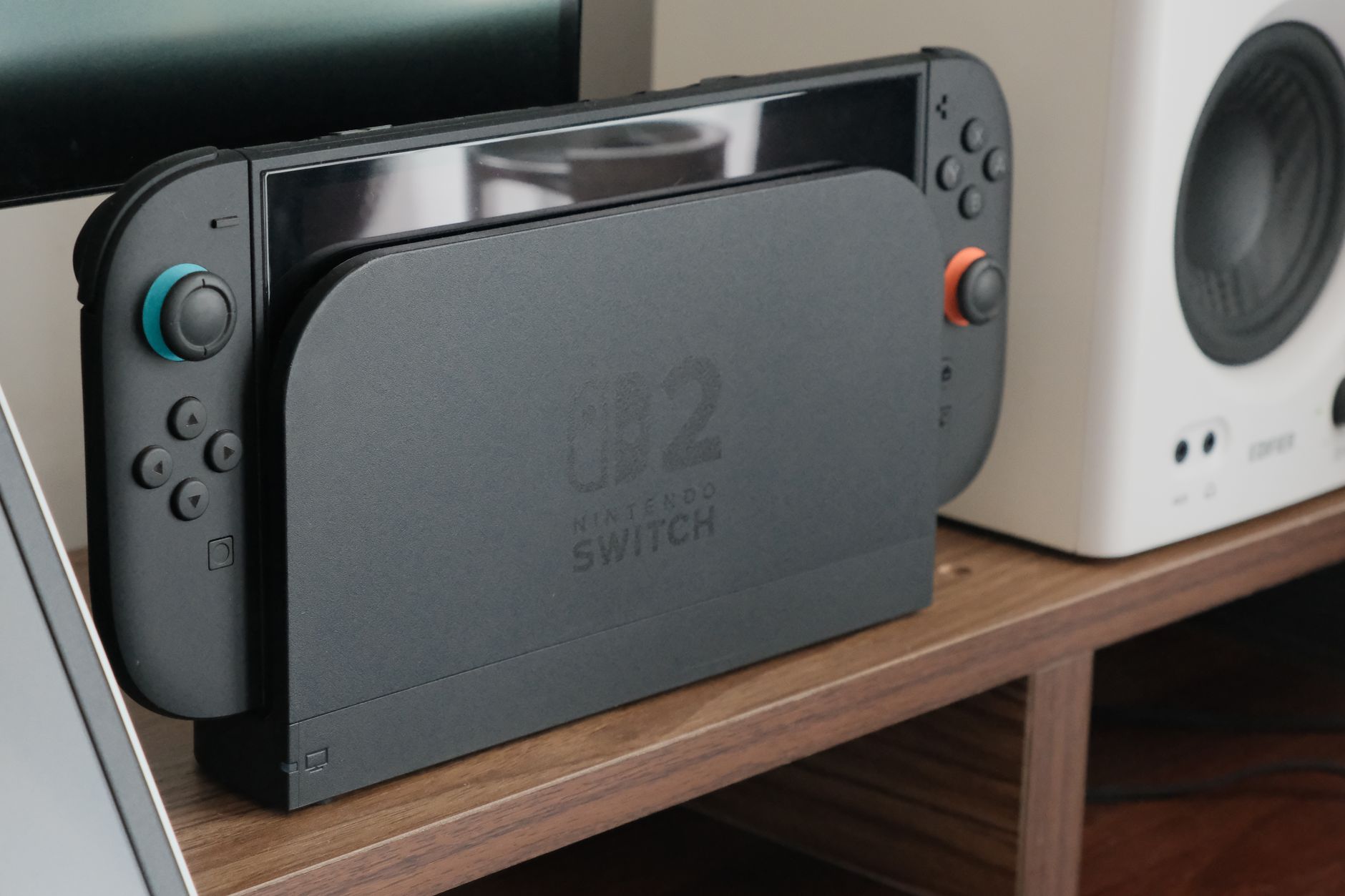
The most seismic release of June was, without doubt, the arrival of Final Fantasy VII Rebirth on June 3rd. For years, the game had been a PlayStation exclusive, a digital fortress that defined the platform's identity. But on June 3rd, that fortress crumbled. Rebirth launched on Xbox Series and Switch 2, bringing the epic journey of Cloud and Aerith to a new generation of players.
"The launch of Final Fantasy VII Rebirth on Switch 2 and Xbox was not just a technical feat; it was a cultural statement that the story matters more than the platform."
This move was more than a distribution strategy; it was a declaration that the era of console exclusivity is fading. The Switch 2, with its enhanced HD-2D capabilities, handled the game's vast, cinematic world with grace, proving that Nintendo's newest hardware could compete with the giants of Sony and Microsoft. Meanwhile, Xbox Series, long the home of Western action, finally claimed its place in the JRPG canon.
The impact was immediate. Sales figures soared, and the community's reaction was electric. For the first time, a Square Enix title broke the PlayStation mold, signaling a new era for the Japanese RPG genre. The game's arrival on multiple platforms also meant that the debate over which version was superior was replaced by a celebration of accessibility. No longer was a player denied the chance to experience Cloud's journey because of their console choice.
HD-2D Revival: Octopath Traveler and the Legacy of Chihiro
If Final Fantasy was the headline, the HD-2D revival was the heart of the story. On June 18th, The Adventures of Eliot: The Millennium Tails arrived, a brand-new action RPG from the team behind Octopath Traveler and Bravely Default. The game's HD-2D aesthetic, with its gorgeous, pixel-perfect landscapes and fluid, cinematic animations, was a testament to the enduring power of this visual style.
The game's release was a reminder that the HD-2D genre, once a niche experiment, has become a cornerstone of modern game design. Eliot's world, with its intricate character designs and dynamic storytelling, showcased the full potential of the HD-2D format. The game's success on multiple platforms, including Switch 2 and PC, further cemented the idea that visual style transcends hardware.
This revival was not isolated. The HD-2D movement, led by Square Enix and the Chihiro team, has become a dominant force in the industry, influencing a wide range of games from indie darlings to major studio releases. The success of Eliot and Octopath Traveler has proven that the HD-2D aesthetic is not just a nostalgia trip; it is a viable, innovative approach to game design that resonates with players of all ages.
Solarpunk and the Indie Renaissance
Beyond the mega-releases, June 2026 was a triumph for the indie scene. On June 8th, Solarpunk hit all newer consoles and PC, a brightly colored, vaguely cozy survival game about harnessing the power of the sun to develop your world. The game's unique blend of environmental themes and survival mechanics captivated players, earning early access on June 10th.
"Solarpunk's arrival on early access marked a turning point for indie survival games, proving that cozy, environmentally conscious gameplay can stand alongside the grittier, more traditional titles."
Solarpunk's success was a testament to the growing diversity of the indie scene. The game's bright, sun-drenched aesthetic and its focus on sustainability and community were a stark contrast to the dark, gritty survival games that had dominated the genre for years. The game's arrival on multiple platforms, including Switch 2, further highlighted the indie scene's ability to innovate and appeal to a wide audience.
Other indie releases, such as Killer Bean and Voidling Bound, also contributed to the renaissance. Killer Bean, a team-based spin on an old favorite, combined characters from Lucas Films' most lucrative intellectual property with unrelated elements that found more success together than Star Wars and Monopoly. Voidling Bound, a sci-fi action combat third-person shooter monster taming game, added to the genre's diversity, offering a unique blend of combat and creature collection.
The Convergence of Platforms and the Future of Gaming
The most significant trend of June 2026 was the convergence of platforms. The arrival of Final Fantasy VII Rebirth on Switch 2 and Xbox, alongside the multi-platform releases of Solarpunk, Eliot, and Gothic 1 Remake, signaled a new era of cross-platform gaming. The traditional console wars are giving way to a more fluid, player-driven ecosystem where the story and gameplay matter more than the platform.
This convergence is not just a technical achievement; it is a cultural shift. Players are no longer bound by their console choice; they can experience the same game on multiple platforms, each with its unique strengths. The Switch 2's HD-2D capabilities, Xbox's JRPG canon, and PlayStation's cinematic storytelling are no longer in competition; they are in harmony.
The future of gaming is one of accessibility and innovation. As the industry moves forward, the focus will be on creating games that appeal to a wide audience, regardless of their platform choice. The success of June 2026's releases is a testament to this vision, and it is a vision that will shape the industry for years to come.
Conclusion: The Summer That Changed the Game
June 2026 was a summer of rebirth. From the explosive arrival of Final Fantasy VII Rebirth on Switch 2 and Xbox to the resurgence of HD-2D classics, the industry witnessed a convergence of legacy, innovation, and surprise that reshaped the very foundations of how we play.
The summer of gaming has begun, and its first act is a masterpiece of synthesis. As studios like Square Enix and Octopath Traveler lean into cross-platform innovation, the traditional console wars are giving way to a more fluid, player-driven ecosystem. The future of gaming is one of accessibility and innovation, and June 2026 is a testament to this vision.
The summer of 2026 did not merely arrive; it erupted. And as the industry looks to the future, it will do so with the confidence that the story matters more than the platform. The era of console exclusivity is fading, and the future is one of cross-platform harmony. The summer of gaming has officially begun, and it is a summer of rebirth.