The Loot Box Century: How Japan’s Gacha Dream Became Asia’s Gaming Empire
In the post-war cultural soil of Japan, a humble vending machine known as the gashapon spawned a gaming revolution that would eventually consume the entire Asian continent. Today, the gacha mechanic—essentially a digital loot box where players pull for randomized rewards—has transcended its origins as a niche monetization strategy to become the dominant heartbeat of mobile gaming across Asia. What began as Idol Culture’s marketing tool in Japan has mutated into a transnational empire, with China, South Korea, and Southeast Asia now leading the charge in a genre that blurs the line between gambling, storytelling, and community.
The scale is staggering: just over 90% of the top-tier Japanese mobile games feature gacha shops, a figure that dwarfs the United States by nearly 20%. Yet, while Japan perfected the aesthetic and the psychological hook, it was China and Korea that industrialized the model, turning gacha into a high-stakes, live-service industry that now rivals the global reach of traditional JRPGs and esports. The result is a gaming culture where anime aesthetics, mobile convenience, and addictive mechanics have fused into a new kind of experience—one that is less about winning a game and more about sustaining a relationship with a digital world.
Gashapon to Gacha: The Mechanics of Obsession
Gacha games are video games that implement the gashapon mechanic, a Japanese vending machine where people insert a coin to acquire a toy. In the digital realm, this has evolved into a system where players exchange premium currency or earnable tokens for a chance to win various items from a pool of rewards. The term itself is derived from the sound of the gashapon machine, but its modern application is far more sophisticated, relying on complex algorithms that guarantee player retention through variable rewards.
These games are typically free-to-play, designed to be accessible using only the currency or characters received for free through gameplay and grinding. They are financed through the sale of virtual currency to players who want to spend real money to progress faster or be better at competing with others. So-called "whale" players may spend significant amounts on gacha games, leading to concerns about gambling addiction that have sparked regulatory debates across the region. The mechanic is not new; it is a refined version of the loot box system, but its integration into anime-inspired narratives has given it a unique cultural power.
Gacha games didn’t just get popular; they became a cultural force in countries like Japan, China, and South Korea. The fusion of anime aesthetics, mobile convenience, and addictive mechanics created a new kind of gaming experience that prioritizes emotional investment over traditional gameplay loops. Players are not merely chasing a score; they are collecting companions, unlocking stories, and building a digital identity that mirrors their real-world desires.
Gacha is essentially another name for a loot box system: players “pull” the gacha, often in exchange for premium currency or some sort of earnable token, for a chance to win various items from a pool of rewards.
The dominance of this model is evident in the data. According to GameRefinery data, just over 90% of the top 20% of Japanese mobile games feature a shop with gacha mechanics or refreshing wares. This is around 20% more than in the US, highlighting the unique cultural acceptance of randomized rewards in Japan. The mechanic has become so embedded in the mobile gaming landscape that it is now the default expectation for players, reshaping the industry from the ground up.
The Great Shift: From Japan to China and Korea
Gacha games are typically mobile games made in China, Japan, South Korea, or other Asian countries. While Japan pioneered the aesthetic and the psychological framework, China and Korea have taken the lead in production scale and live-service innovation. The result is a dynamic where Japan’s gacha is increasingly losing to China’s open-world, live-service anime games. Why can’t Japan make its own open-world, live-service anime game? The answer lies in the industrial capacity and the willingness to invest in massive, cross-platform ecosystems that China and Korea have mastered.
Every year, new gacha games emerge, all of them amazing, free-to-play titles spanning across multiple sub-genres. In 2026, the best gacha games are free-to-play titles that offer deep, immersive experiences where players can progress, compete, and connect with others. The list of gacha games is extensive, featuring games that have become cultural icons in their own right. From the nostalgic charm of classic gashapon to the modern complexity of live-service gacha, the genre has evolved to meet the demands of a global audience.
Why do so many gacha games pretend to be Japanese? The answer is rooted in the commercialization of anime and the cultural developments in post-war Japan. Anime and games go hand in hand, with Japan being the birthplace of many of the greatest games ever made. This connection has led to a phenomenon where gacha games from China and Korea adopt Japanese aesthetics to appeal to a global audience that associates anime with high-quality gaming. The result is a hybrid culture where Japanese aesthetics are used to market games that are often produced in other parts of Asia.
JRPGs in the Shadow of Gacha
Would JRPGs be more popular if it weren’t for gacha games? The answer is complicated. I can’t blame gacha games; people always avoid or underestimate JRPGs for being Japanese or “too anime,” and this has happened since the 2000s. The perception of JRPGs has been shaped by a cultural bias that sees them as niche, overly stylized, and difficult to understand. Gacha games, by contrast, have democratized the anime gaming experience, making it accessible to a wider audience.
Yet, the shadow of gacha is undeniable. Expert explanations suggest that Japan’s gacha is losing to China’s open-world, live-service anime games. The question of why Japan can’t make its own open-world, live-service anime game is a reflection of the industrial challenges that Japan faces in the modern gaming landscape. While Japan has perfected the art of narrative-driven, single-player experiences, China and Korea have mastered the art of live-service, multi-player ecosystems that keep players engaged for years.
The rise of gacha has not killed the JRPG; it has simply changed the landscape. JRPGs are now less about winning a game and more about sustaining a relationship with a digital world. The genre has evolved to meet the demands of a global audience that expects immersive, ongoing experiences. The result is a gaming culture where JRPGs and gacha games coexist, each offering a different kind of emotional investment.
Esports, Anime, and the Future of Asia’s Gaming Culture
Gaming culture in Japan and its comparison to anime reveals a deep connection between the two. A lot of the greatest games ever were made in Japan, and anime and games go hand in hand. On a side note, there’s also a Haikyuu phenomenon that has influenced the gaming world, showing how anime can shape the cultural landscape of gaming.
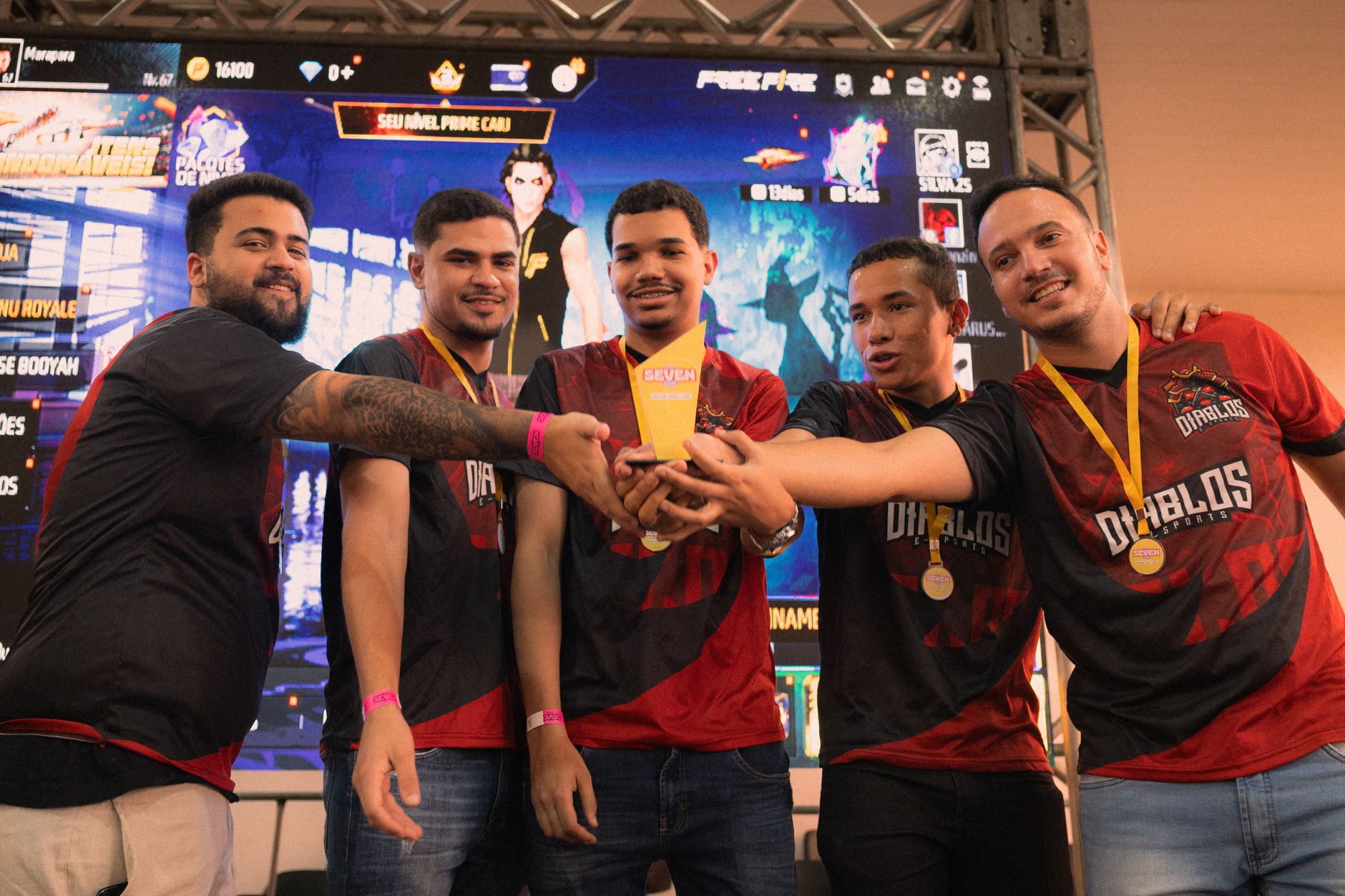
Esports in Asia is a rapidly growing industry, with gacha games and esports often overlapping. Players compete in tournaments that are broadcast globally, and the stakes are high. The result is a gaming culture where esports and gacha games are not separate entities but part of a larger ecosystem that includes anime, mobile gaming, and live-service experiences.
Capcom, Bandai Namco, NCSoft, and other major companies are at the forefront of this evolution. They are producing games that blend the best of Japanese narrative with the industrial power of China and Korea. The result is a gaming culture that is more diverse, more engaging, and more global than ever before.
The future of Asia’s gaming culture is not just about winning a game; it is about sustaining a relationship with a digital world. Gacha games, JRPGs, esports, and anime are all part of a larger ecosystem that is reshaping the way we think about gaming. The loot box century has arrived, and it is here to stay.