The End of the Infinite Scroll
In the summer of 2026, the most radical act in pop culture is not streaming the latest season of a hit show or bishops the newest viral TikTok trend. It is touching grass. It is writing a letter. It is playing a board game with friends instead of scrolling through a digital feed. The relentless acceleration of the digital age, which demanded constant engagement and instant gratification, has finally met its limit. Gen Z, the demographic that once defined the speed of the internet, is now the primary force driving a cultural retreat toward intentionality, nostalgia, and tactile comfort. This is not a fleeting trend; it is a fundamental rewiring of how we consume, create, and experience culture in the age of digital exhaustion.
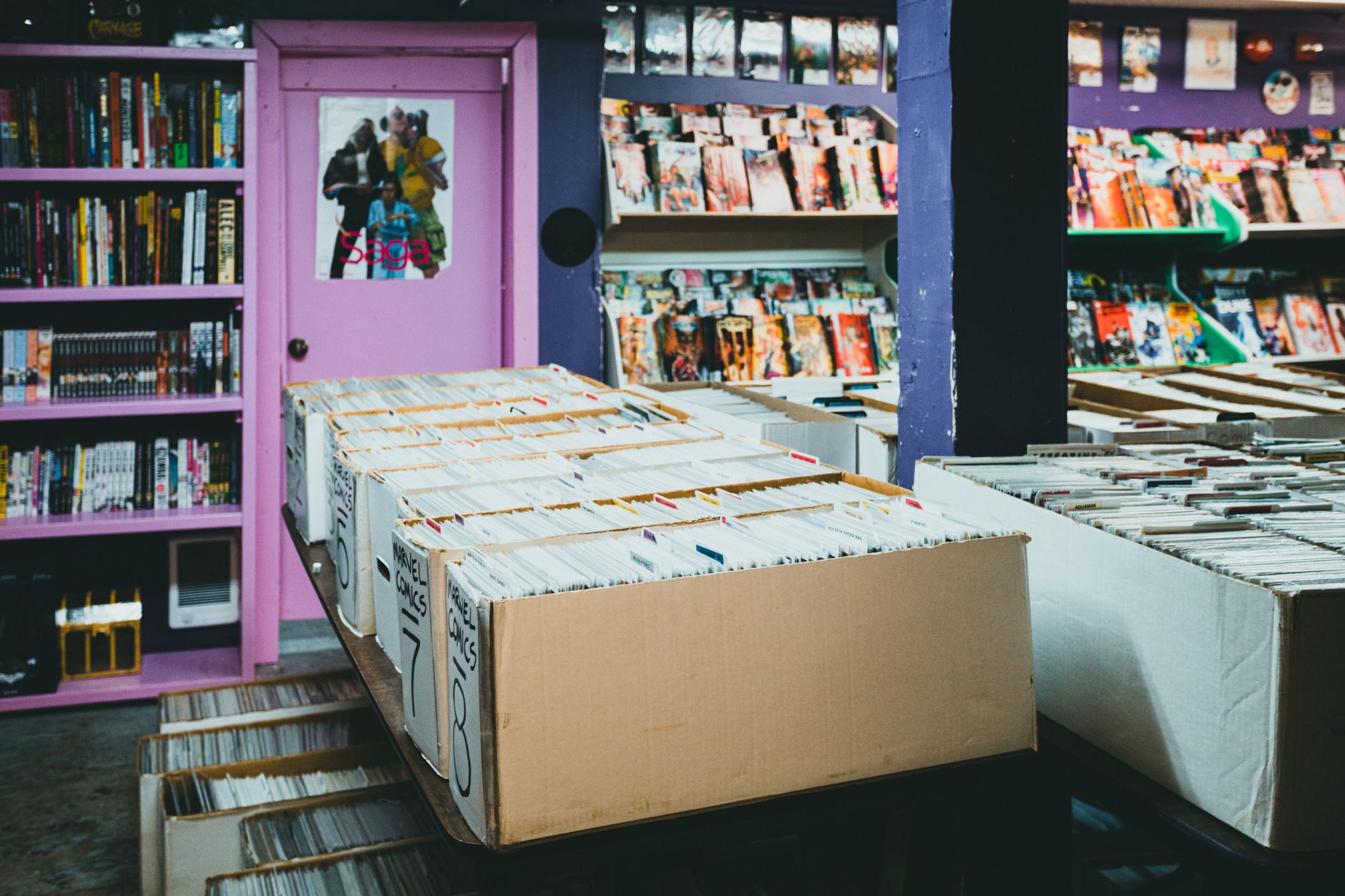
The shift is evident in every corner of the industry. The 'going analog' movement, which includes paper journals, clay sculptures, and handwritten notes, has replaced the smartphone as the primary medium for self-expression. Texting is out; letters are in. The resale market, once a niche for thrift enthusiasts, has become the default option for fashion, with vintage and thrifting eclipsing fast fashion. This is a rejection of the disposable culture that has dominated the 2010s and 2020s. It is a declaration that the value of an object lies not in its newness, but in its history, its story, and its permanence.
'The most radical act in pop culture is not streaming the latest season of a hit show. It is touching grass. It is writing a letter. It is playing a board game with friends instead of scrolling through a digital feed.'
The Rise of the Single Woman and the Collapse of the Bar
One of the most defining narratives of 2026 is the rise of the 'single woman.' This is not a demographic of the lonely or the marginalized. It is a cohort of educated, earning, traveling women who are choosing themselves over traditional relationship structures. They are not waiting for a partner to validate their lives; they are building their own worlds, their own careers, and their own sense of fulfillment. This shift is reshaping the entertainment industry, with films, music, and TV shows increasingly centered on the experiences of women who are independent, self-assured, and unapologetically ambitious.
Simultaneously, the traditional nightlife bar is collapsing. Gen Z is not filling out bars, even on New Year’s Eve. The demand for immersive, character-led experiences—interactive apps, IP-themed fast-food menus, cinematic sci-fi meals—has replaced the passive consumption of alcohol. The bar is no longer the place to meet; it is the place to be. The new nightlife is the game night, the dinner party, the board game session. The bar is out; the home is in. This is a rejection of the public, transactional spaces that have dominated the 2010s and 2020s. It is a return to the private, communal spaces that have always been the foundation of culture.
The rise of the single woman and the collapse of the bar are not unrelated phenomena. They are part of the same cultural shift toward intentionality, self-reliance, and communal connection. The single woman is not waiting for a partner to validate her life; she is building her own. The home is not a place to escape; it is a place to be. This is a rejection of the public, transactional spaces that have dominated the 2010s and 2020s. It is a return to the private, communal spaces that have always been the foundation of culture.
Nostalgia as a New Language
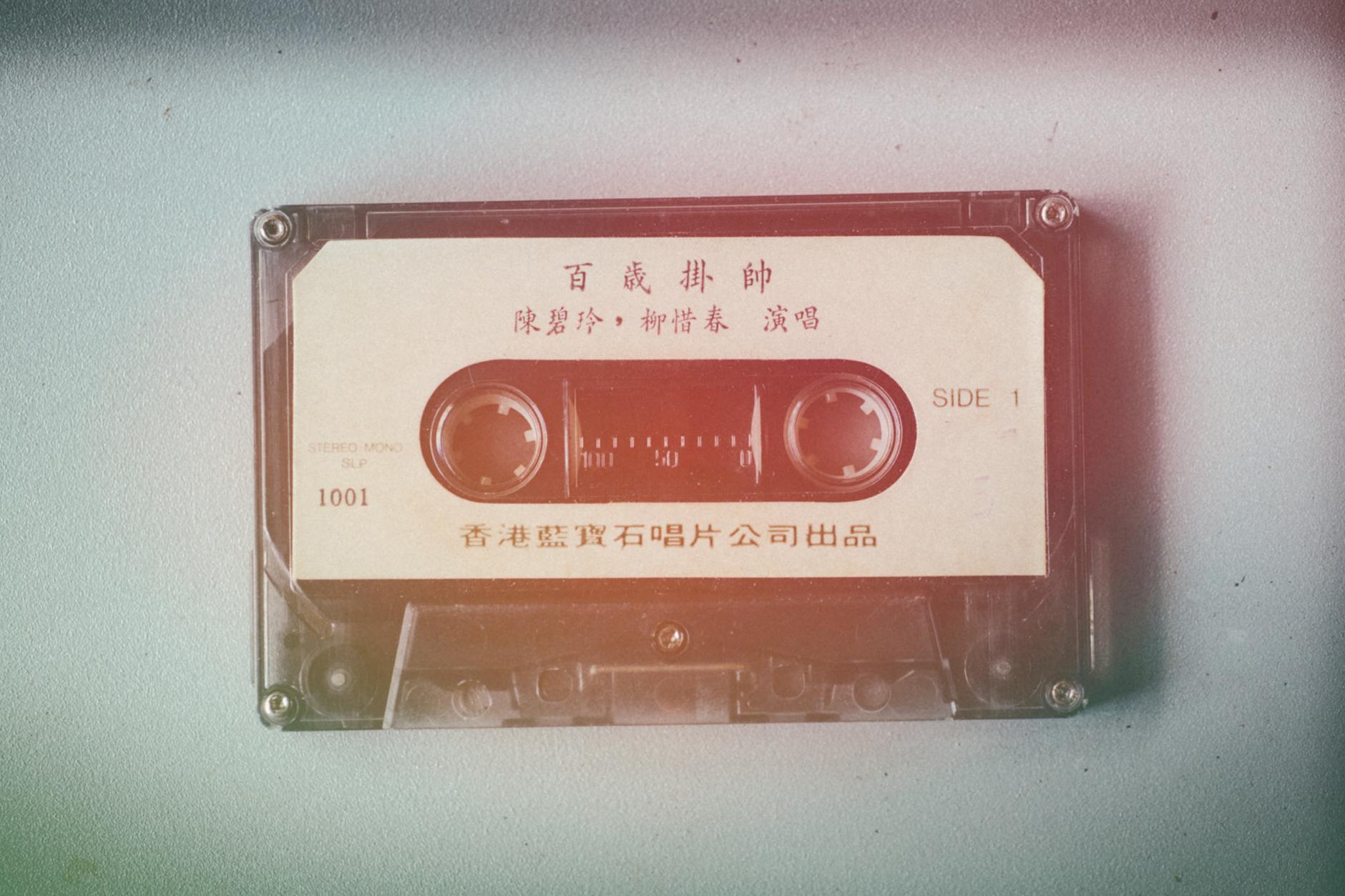
Nostalgia is no longer a relic of the past; it is the new language of pop culture. The 'grandma core,' 'Appalachian core,' and 'southern bell' aesthetics are not just fashion trends; they are cultural statements. They are a rejection of the modern, fast-paced, disposable world in favor of the slow, intentional, and permanent. The ghost emoji is back. Red lipstick is making a comeback. Cardigans are in. Everything old is new again. This is not a retreat into the past; it is a reclamation of the past. It is a declaration that the value of an object lies not in its newness, but in its history, its story, and its permanence.
The music industry is also embracing nostalgia. Indie artists like Geese, Wet Leg, Lola Young, and Hilary Duff are not just rising stars; they are the new voices of a generation that is seeking comfort in the familiar. The 2010s, groceries, and cell phone hippers are the new trends. This is not a return to the past; it is a reclamation of the past. It is a declaration that the value of an object lies not in its newness, but in its history, its story, and its permanence.
The film industry is also embracing nostalgia. Christopher Nolan’s 'The Odyssey' is not just a new movie; it is a cultural statement. It is a rejection of the modern, fast-paced, disposable world in favor of the slow, intentional, and permanent. The release of 'House of the Dragon' Season Three is not just a new season; it is a cultural statement. It is a rejection of the modern, fast-paced, disposable world in favor of the slow, intentional, and permanent.
'Nostalgia is no longer a relic of the past; it is the new language of pop culture. The 'grandma core,' 'Appalachian core,' and 'southern bell' aesthetics are not just fashion trends; they are cultural statements.'
The Streaming Wars Are Over. The Experience Wars Begin.
The streaming wars are over. The experience wars begin. The new frontier of pop culture is not the screen; it is the experience. The immersive, character-led experiences—interactive apps, IP-themed fast-food menus, cinematic sci-fi meals—are the new frontier. The bar is out; the home is in. The game night is the new nightlife. The dinner party is the new bar. This is a rejection of the public, transactional spaces that have dominated the 2010s and 2020s. It is a return to the private, communal spaces that have always been the foundation of culture.
The celebrity-backed product lines—from athlete-approved sneaker designs to actor-endorsed skincare collections and musician-supported beauty campaigns—are not just fashion trends; they are cultural statements. They are a rejection of the modern, fast-paced, disposable world in favor of the slow, intentional, and permanent. The star power is not just a trend; it is a cultural statement. It is a rejection of the modern, fast-paced, disposable world in favor of the slow, intentional, and permanent.
The streaming wars are over. The experience wars begin. The new frontier of pop culture is not the screen; it is the experience. The immersive, character-led experiences—interactive apps, IP-themed fast-food menus, cinematic sci-fi meals—are the new frontier. The bar is out; the home is in. The game night is the new nightlife. The dinner party is the new bar. This is a rejection of the public, transactional spaces that have dominated the 2010s and 2020s. It is a return to the private, communal spaces that have always been the foundation of culture.
The Future Is Slow
The future is slow. The future is intentional. The future is nostalgic. The future is tactile. The future is the single woman. The future is the home. The future is the game night. The future is the dinner party. The future is everything old is new again. This is not a retreat into the past; it is a reclamation of the past. It is a declaration that the value of an object lies not in its newness, but in its history, its story, and its permanence.
The future is not the screen. It is the experience. The future is not the bar. It is the home. The future is not the transaction. It is the connection. The future is not the fast. It is the slow. The future is not the new. It is the old. The future is not the disposable. It is the permanent. The future is not the public. It is the private. The future is not the transactional. It is the communal. The future is not the modern. It is the nostalgic. The future is not the fast-paced. It is the intentional. The future is not the digital. It is the tactile.
The future is slow. The future is intentional. The future is nostalgic. The future is tactile. The future is the single woman. The future is the home. The future is the game night. The future is the dinner party. The future is everything old is new again. This is not a retreat into the past; it is a reclamation of the past. It is a declaration that the value of an object lies not in its newness, but in its history, its story, and its permanence.
The future is not the screen. It is the experience. The future is not the bar. It is the home. The future is not the transaction. It is the connection. The future is not the fast. It is the slow. The future is not the new. It is the old. The future is not the disposable. It is the permanent. The future is not the public. It is the private. The future is not the transactional. It is the communal. The future is not the modern. It is the nostalgic. The future is not the fast-paced. It is the intentional. The future is not the digital. It is the tactile.