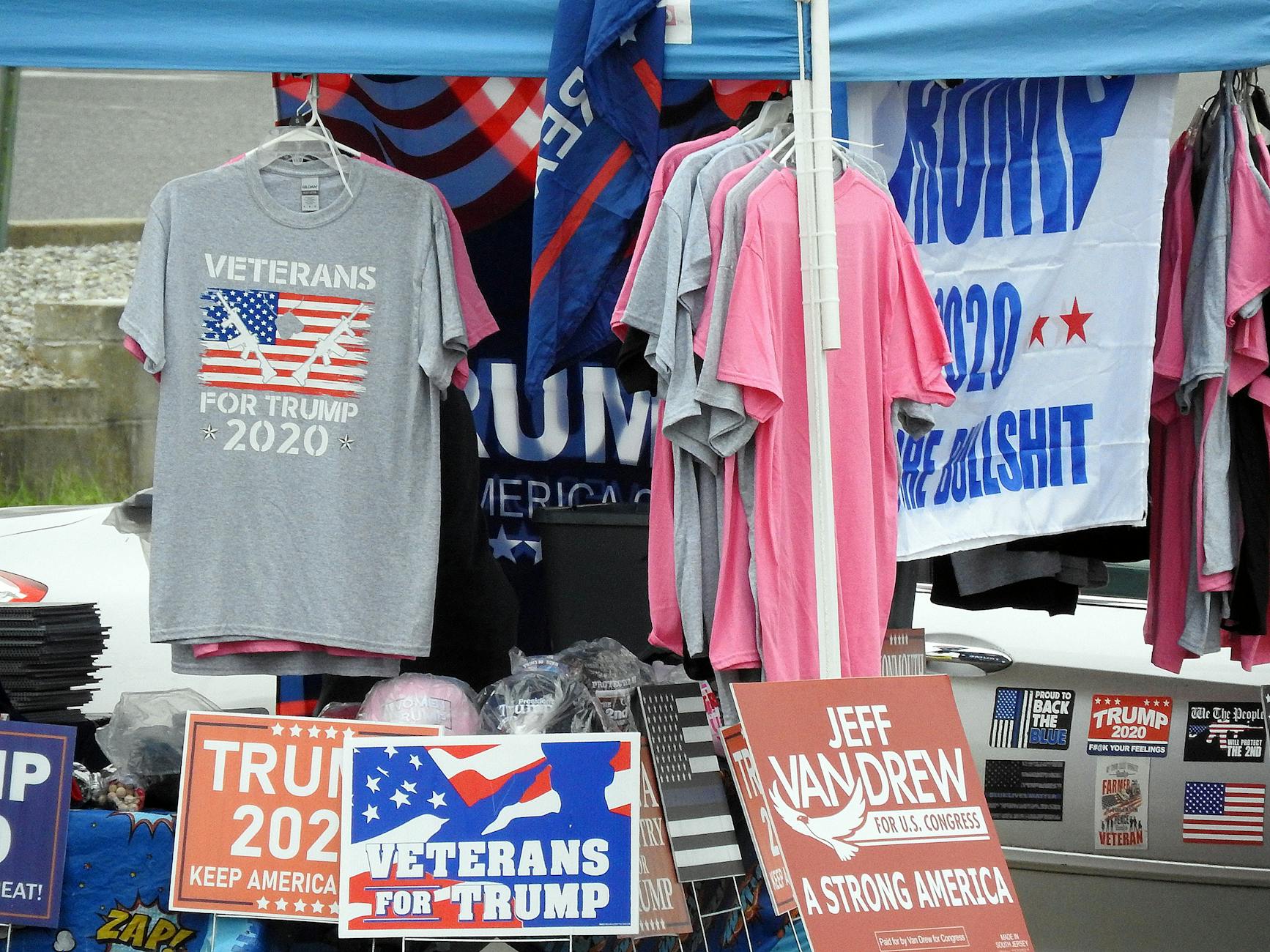
The 2026 U.S. midterm elections are shaping up to be a referendum on President Trump's handling of the economy and immigration, with key issues that have traditionally favored the Republican Party now trending against him. While Trump has long capitalized on economic nationalism and strict immigration stances, recent tariff policies and severe immigration crackdowns, such as those implemented in Minnesota in early 2026, have alienated a broad segment of the electorate.
Numerous polls confirm a sharp decline in the president's approval rating on these core issues, suggesting that the administration's aggressive tactics have backfired politically. Voters are increasingly weary of the economic disruption caused by tariffs and the social unrest generated by harsh enforcement measures, which have become a liability for both the president and the Republican Party in key swing states.
The political landscape is further complicated by the president's repeated concerns regarding election fairness, despite evidence that voter fraud is extremely rare. This rhetoric, often coupled with claims of systemic fraud, risks undermining public trust in the democratic process and could further depress turnout among moderate voters who are critical to Republican success.
Heading into the general election, Republicans control both chambers of Congress with a 53-45 Senate majority, but the Cook Political Report predicts a challenging path with Democrats leading in 468 seats up for election. The combination of economic dissatisfaction and policy backlash could erode the GOP's majority, making the 2026 midterms a pivotal moment for the future of the American political system.