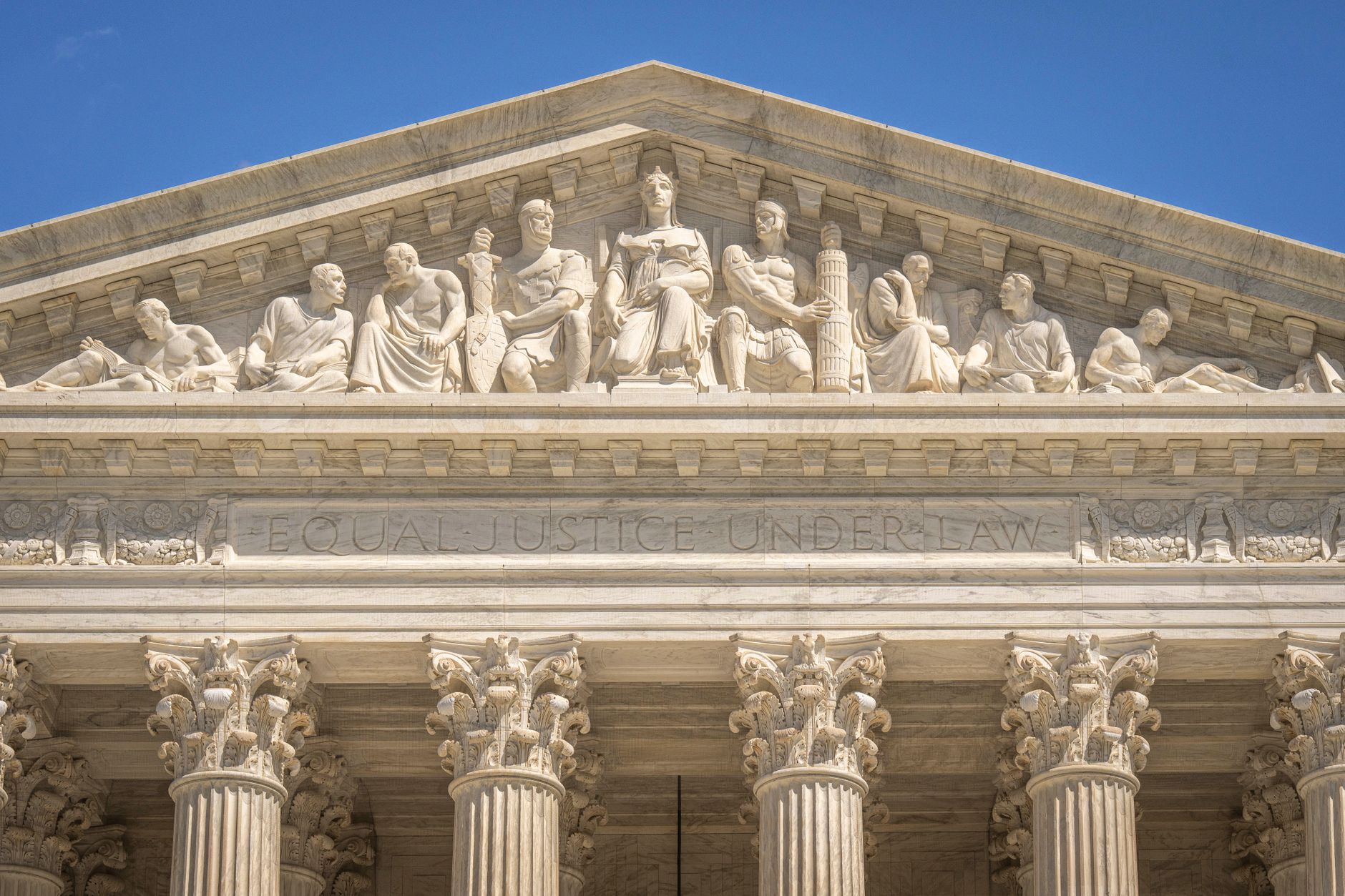
The Supreme Court has delivered a historic victory for the Trump administration by upholding birthright citizenship in a ruling that reaffirms the core principles of the America First agenda. The decision, which also validated the termination of Temporary Protected Status, sends a clear signal that the federal government will continue to prioritize national sovereignty over international immigration norms.
Legal experts describe the ruling as a watershed moment that could reshape immigration policy for decades, with states now empowered to enforce stricter citizenship requirements. The court’s reasoning, which emphasized constitutional text and historical precedent, has drawn praise from conservatives and criticism from civil rights groups.
The TPS termination, which affects thousands of immigrants from war-torn countries, has already sparked protests in major cities and triggered emergency appeals in federal courts. As the ruling takes effect, the administration is expected to expand its immigration enforcement measures, including increased border patrols and stricter visa requirements.
With the Supreme Court having solidified its stance on citizenship, the nation now faces a new reality: immigration policy will be driven by national interest rather than humanitarian concern. The future of America’s demographic landscape will depend on how this shift is navigated in the coming years.