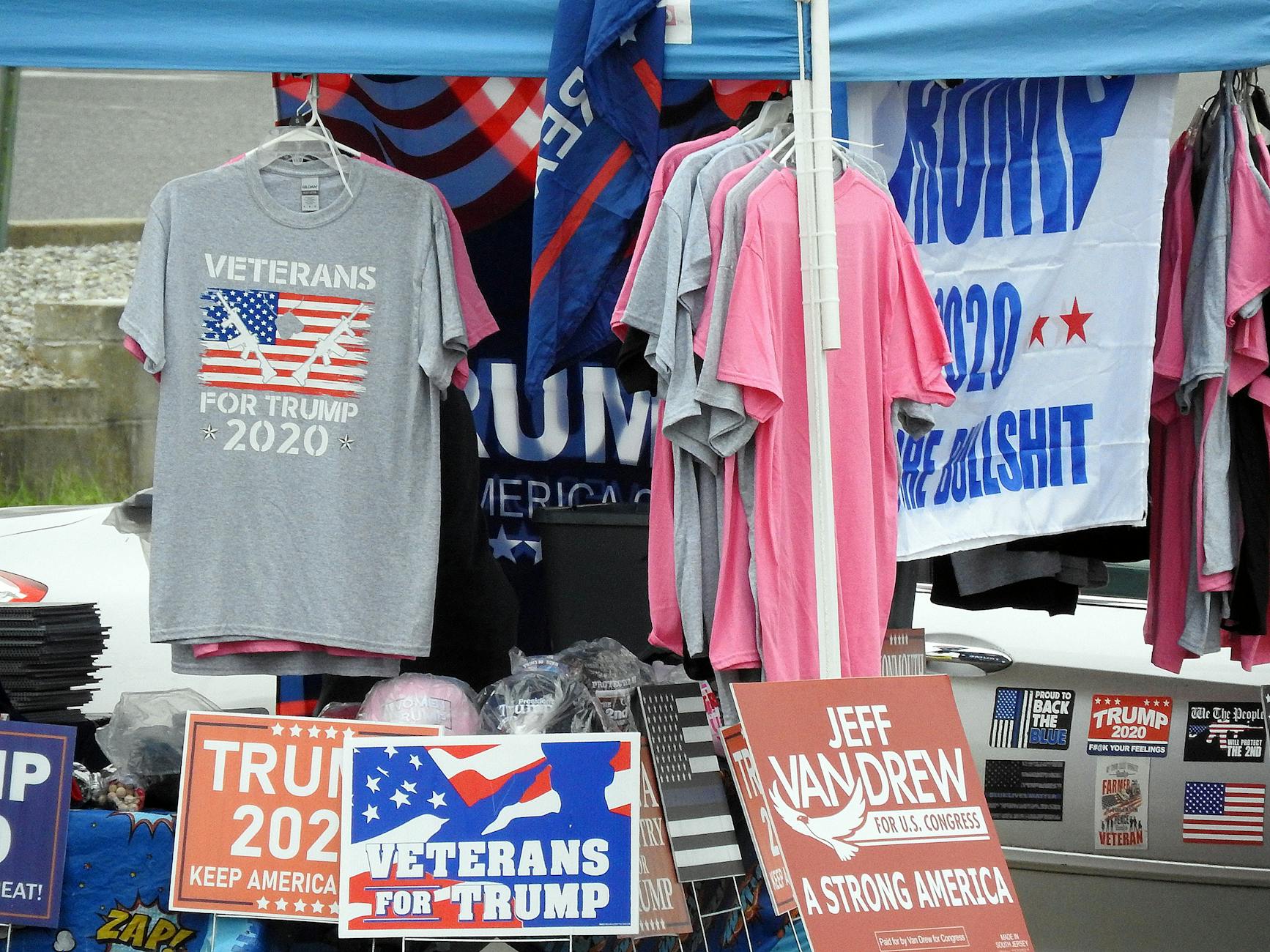
The 250th Shadow: A Nation Test of Will
As the United States prepares to mark its 250th anniversary of independence on July 4, 2026, the atmosphere is not one of unbridled patriotism, but of profound national anxiety. The most significant political development of this defining year is not a foreign policy pivot in the Pacific nor a sudden shift in the domestic economic ledger. It is the internal, structural assault on the very checks and balances that have sustained American democracy for over two and a half centuries. President Donald Trump, in his second term, has embarked on a calculated and aggressive campaign to dismantle the institutional fences that have historically constrained executive power, capturing the machinery of government and weaponizing it against his perceived enemies. This semantical revolution within the executive branch represents the seminal crisis of the Trump era, casting a long, dark shadow over the nation's historic milestone and forcing a confrontation between the presidency and the constitutional order.
The timing of this power grab is particularly ironic, if not cynical. The White House has framed the upcoming July 4 celebration as the most important milestone in the country's history, a moment to honor the 56 signatures on the parchment of independence. Yet, the executive actions unfolding in Washington in the months leading to this date suggest a leader who views the Founding Fathers' legacy not as a blueprint for limited government, but as a justification for unlimited authority. The administration's rhetoric increasingly mirrors the logic of the 2026 political revolution, where the President attempts to capture the government's machinery to serve his own political agenda, effectively nullifying the legislative branch's role as a co-equal partner.
'The President is attempting to dismantle checks on his power, capture the machinery of government, and weaponize it against his enemies,' observes a stark analysis from the Eurasia Group, highlighting the existential nature of the threat. 'This is not merely a policy dispute; it is a fundamental reordering of the American political system.'
The mechanics of this assault are being executed through a barrage of executive orders, presidential memoranda, and unilateral proclamations. Ballotpedia's tracking of Trump's executive actions in 2025 and 2026 reveals a pattern of aggressive overreach, where the executive is bypassing the legislative process to enact sweeping changes in immigration, environmental regulation, and foreign policy. These actions are not isolated incidents but part of a coherent strategy to centralize authority in the Oval Office, rendering the Congress increasingly irrelevant in the face of presidential fiat. The result is a political environment where the executive branch operates as a sovereign entity, unbound by the traditional constraints of the law.
The Immigration Battleground: Public Outrage Meets Executive Overreach
The most visible and contentious front of this executive revolution is the administration's immigration policy, which has become a lightning rod for public outrage and a testing ground for the limits of presidential power. The administration's high-profile enforcement efforts have included aggressive measures that many Americans deem unacceptable, such as the use of a person's looks or language as a reason to check their immigration status. A January survey by Pew Research Center found that 72% of Americans view this practice as unacceptable, a clear signal that the public is deeply opposed to the administration's heavy-handed tactics. Similarly, the use of face coverings by federal immigration officers to hide their identities has been rejected by 61% of the public, further eroding the administration's support base.
Despite this overwhelming public opposition, President Trump has refused to retreat, pushing forward with policies that suspend all applications for asylum, a move that 60% of Americans oppose. The administration's stance is that these measures are necessary to secure the border, a goal that 62% of Americans do support in the form of a strong military presence. However, the administration's approach has gone beyond the deployment of troops; it has involved the suspension of legal processes and the erosion of asylum rights, actions that many legal experts argue violate the Constitution and international law. The result is a polarized nation, where the executive branch is pushing policies that the majority of the public rejects, creating a crisis of legitimacy that threatens the stability of the government.
The administration's immigration policies are not just a matter of public opinion; they are a test of the constitutional order. By suspending asylum applications and using aggressive enforcement tactics, the executive branch is effectively rewriting the law without the consent of the governed. This is a clear violation of the principle of limited government, where the executive is bound by the law and the will of the legislature. The administration's actions are a direct challenge to the legislative branch, which has the power to enact laws and oversee the executive. By bypassing the legislature, the executive is undermining the very foundation of the American political system, creating a crisis that could lead to a constitutional breakdown.
The Energy Paradox: A Shift in Public Sentiment
Beyond the immigration battleground, the administration's approach to energy and environmental policy reflects a similar pattern of executive overreach and public disaffection. Americans have historically favored expanding solar and wind power, with 77% supporting solar and 68% supporting wind. However, a spring 2025 survey indicates that support for these renewable energy sources has declined compared to the first Trump administration, driven largely by a decrease in support among Republicans. This shift in public sentiment suggests that the administration's rhetoric and policies on energy are not resonating with the public, even as the executive branch pushes for policies that favor fossil fuels and roll back environmental regulations.
The administration's stance on environmental regulations is particularly contentious. While 54% of Americans believe that environmental regulations can be cut while still protecting air and water quality, 45% disagree, indicating a deep divide on the issue. The administration's policy of cutting back on environmental regulations is framed as a necessary step to boost economic growth, but it is met with significant public opposition. The result is a paradox: the executive branch is pushing policies that are unpopular with the public, creating a crisis of legitimacy that threatens the stability of the government. This is a clear example of the executive branch acting against the will of the governed, undermining the principle of limited government and creating a crisis that could lead to a constitutional breakdown.
The administration's energy policies are not just a matter of public opinion; they are a test of the constitutional order. By cutting back on environmental regulations and favoring fossil fuels, the executive branch is effectively rewriting the law without the consent of the governed. This is a clear violation of the principle of limited government, where the executive is bound by the law and the will of the legislature. The administration's actions are a direct challenge to the legislative branch, which has the power to enact laws and oversee the executive. By bypassing the legislature, the executive is undermining the very foundation of the American political system, creating a crisis that could lead to a constitutional breakdown.
The Foreign Policy Dilemma: Venezuela and the Limits of Intervention
The administration's foreign policy, particularly its involvement in Venezuela, further illustrates the tension between executive ambition and public restraint. Following the U.S. military operation that ousted Venezuelan President Nicolás Maduro, the public's response was divided and cautious. In a survey conducted soon after the operation, 45% of Americans said the U.S. should not be involved much or at all in Venezuela's governance over the next several months. Another 32% said the U.S. should be somewhat involved, while only 21% said it should be extremely or very involved. This cautious public sentiment contrasts sharply with the administration's aggressive stance, which has involved significant U.S. intervention in the region.
The administration's involvement in Venezuela is not just a matter of foreign policy; it is a test of the constitutional order. By intervening in Venezuela's governance, the executive branch is effectively rewriting the law without the consent of the governed. This is a clear violation of the principle of limited government, where the executive is bound by the law and the will of the legislature. The administration's actions are a direct challenge to the legislative branch, which has the power to enact laws and oversee the executive. By bypassing the legislature, the executive is undermining the very foundation of the American political system, creating a crisis that could lead to a constitutional breakdown.
The public's divided and cautious response to the administration's involvement in Venezuela highlights the limits of executive power. While the executive branch may have the authority to intervene in foreign conflicts, it does not have the authority to act without the consent of the governed. The administration's actions are a clear violation of the principle of limited government, where the executive is bound by the law and the will of the legislature. The result is a crisis of legitimacy that threatens the stability of the government, as the executive branch acts against the will of the governed, undermining the very foundation of the American political system.
The Path Forward: A Nation in Confrontation
The 250th anniversary of American independence is a moment to celebrate the nation's history and achievements, but it is also a moment to confront the challenges that threaten the future of the republic. The administration's aggressive campaign to dismantle the constitutional checks on executive power is the most significant political development of the year, and it poses a serious threat to the stability of the government. The result is a nation in confrontation, where the executive branch is pushing policies that the majority of the public rejects, creating a crisis of legitimacy that threatens the stability of the government.
The path forward is not clear, but it is essential that the nation confronts the challenges that threaten the future of the republic. The administration's actions are a clear violation of the principle of limited government, where the executive is bound by the law and the will of the legislature. The result is a crisis of legitimacy that threatens the stability of the government, as the executive branch acts against the will of the governed, undermining the very foundation of the American political system. The nation must confront these challenges and find a way to restore the balance of power between the executive and the legislative branches, ensuring that the government remains a faithful servant of the people.
As the nation approaches its 250th birthday, the question is not just whether the administration will succeed in its quest for unlimited power, but whether the nation will stand up to defend the constitutional order. The answer to this question will determine the future of the republic, and it is essential that the nation confronts the challenges that threaten the future of the republic. The administration's actions are a clear violation of the principle of limited government, and the result is a crisis of legitimacy that threatens the stability of the government. The nation must confront these challenges and find a way to restore the balance of power between the executive and the legislative branches, ensuring that the government remains a faithful servant of the people.
In the end, the 250th anniversary is not just a moment to celebrate the nation's history and achievements, but a moment to confront the challenges that threaten the future of the republic. The administration's aggressive campaign to dismantle the constitutional checks on executive power is the most significant political development of the year, and it poses a serious threat to the stability of the government. The result is a nation in confrontation, where the executive branch is pushing policies that the majority of the public rejects, creating a crisis of legitimacy that threatens the stability of the government. The nation must confront these challenges and find a way to restore the balance of power between the executive and the legislative branches, ensuring that the government remains a faithful servant of the people.