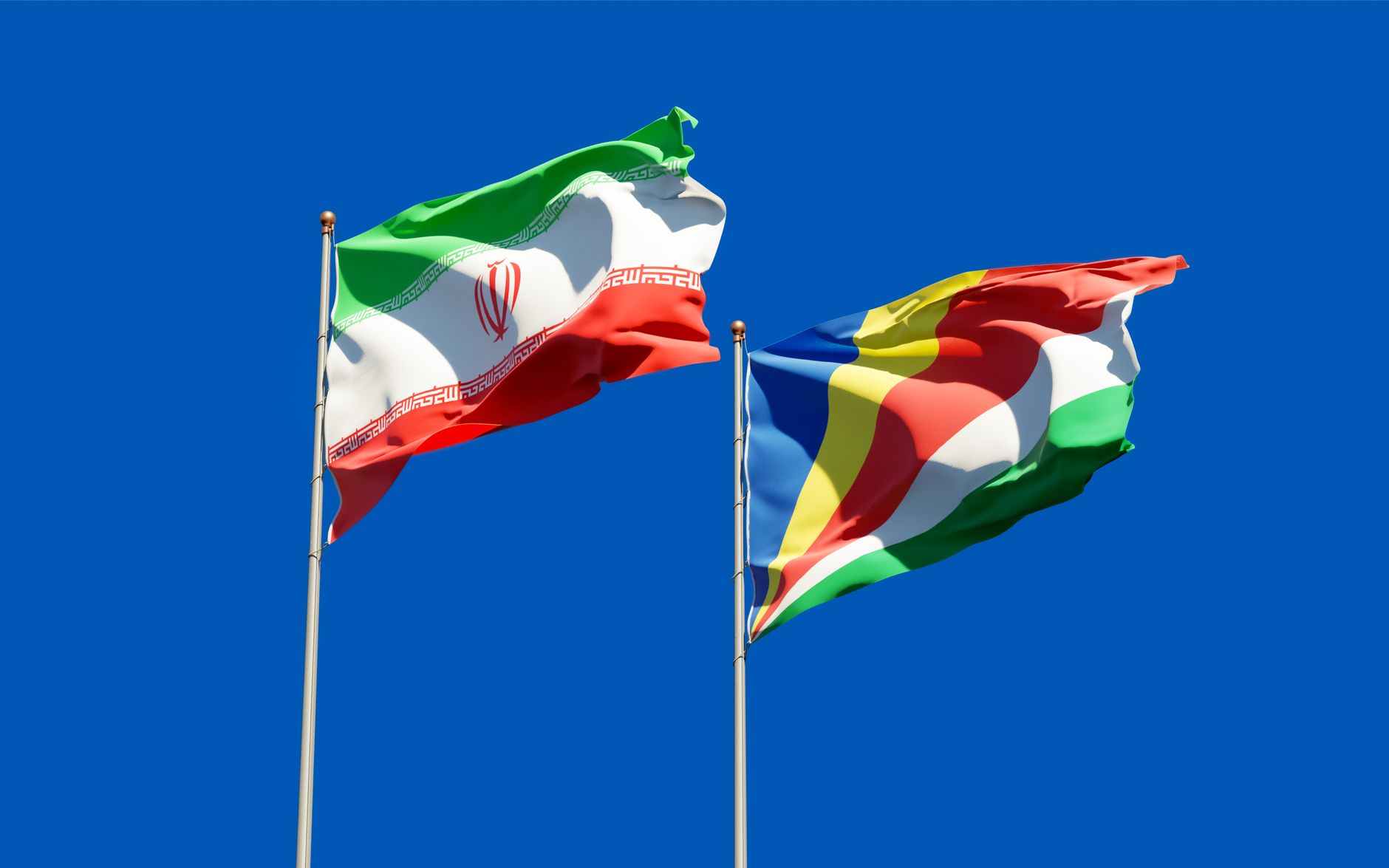
The United States is navigating a volatile foreign policy landscape as American officials believe Israel was plotting to kill Iranian negotiators Abbas Araghchi and Mohammad Ghalibaf, a move that could derail the U.S.-Iran truce and strain the U.S.-Israel alliance. The revelation of this potential Israeli plot has sparked intense diplomatic scrutiny, with the Trump administration facing pressure to address the breach of trust while maintaining its strategic partnership with Israel. The fragile peace in the region now hinges on diplomatic brinkmanship, as any attempt to assassinate key Iranian figures could reignite tensions and throw the entire region into chaos.
Lebanon is devastated after new attacks by Israel that test the U.S.-Iran truce and the U.S.-Israel alliance, further complicating the geopolitical picture. The attacks have drawn criticism from both domestic and international observers, who argue that the violence undermines the prospects for peace and stability in the region. The Trump administration’s push for stricter voter registration documentation under the "SAVE" legislation and mandatory submission of voter rolls to the DHS to identify noncitizens is likely to ignite further partisan battles, potentially alienating moderate Republicans who value electoral integrity over aggressive enforcement. Meanwhile, the court’s block on the firings of intelligence officers who worked on diversity and inclusion initiatives highlights the ongoing tension between the administration’s ideological agenda and the need for professional neutrality in government institutions.
As the political landscape shifts, the question remains whether Democratic base voters will rally around their party after expressing unconvinced views of its leadership in 2025. The redistricting arms race, which will determine control of Congress in the mid-decade, is another key factor that could reshape the electoral map and influence the outcome of the midterms. With Tucker Carlson plotting a third party and other conservative figures distancing themselves from Trump over the war with Iran, the Republican coalition is fracturing, leaving the administration vulnerable to both internal dissent and external opposition. The U.S.-Iran truce, already fragile, is now under threat from Israeli actions, raising the specter of a broader regional conflict.
As the United States prepares to celebrate its 250th birthday, the foreign policy challenges of the region are likely to define this year’s global narrative. The tension between the U.S.-Iran truce and the U.S.-Israel alliance is a critical issue that will require careful diplomatic management to prevent further escalation. The potential Israeli plot to kill Iranian negotiators is a stark reminder of the fragility of peace in the region, and the need for continued diplomatic engagement to maintain stability. The Trump administration’s response to this crisis will be a key test of its ability to navigate the complex geopolitical landscape and maintain its strategic alliances while upholding its commitment to peace.