The European Union has officially entered a new era of economic governance, one where the dominant logic of market openness is being superseded by the urgent imperative of strategic resilience. For decades, Brussels operated under the assumption that global stability was a given, but the Hormuz crisis, the war in Ukraine, and the rise of aggressive industrial protectionism in the United States have shattered that certainty. The EU is no longer merely regulating markets; it is actively constructing a shield for its industrial capacity against a world defined by systemic rivalry and chronic instability.
At the heart of this transformation stands the Commission’s Clean Industrial Deal, a bold legislative framework that fuses decarbonization targets with industrial competitiveness. Unlike previous climate initiatives that treated environmental policy in isolation, this new strategy recognizes that industrial policy, climate regulation, and digital trade defense must be woven into a single, cohesive fabric. The goal is not to retreat from globalization, but to reshape it around the pillars of resilience, economic security, and decarbonization, ensuring Europe can withstand external shocks without compromising its core values.
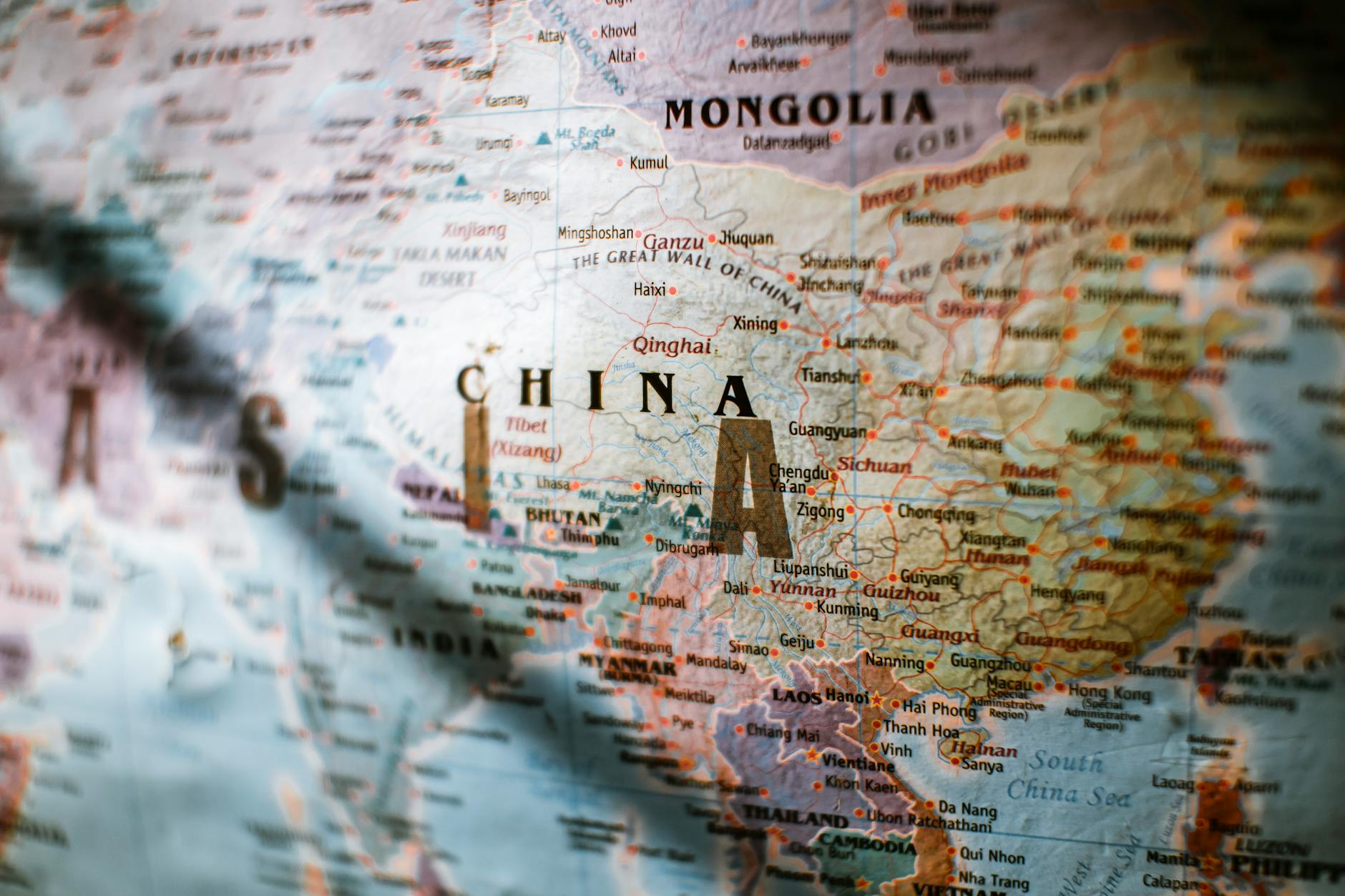
This shift marks a profound departure from the EU’s traditional hybrid model, which attempted to balance interventionist measures with a rules-based openness. Today, the balance has tipped decisively toward interventionism. The EU is increasingly linking energy diversification, supply-chain security, and trade-defense mechanisms into a unified strategy, effectively treating the economy as a component of national security. This approach is driven by the fear that without a coherent industrial policy, Europe risks losing its technological edge to China and the United States.
The legislative debate in Brussels is now consumed by the tension between maintaining global trade commitments and protecting strategic sectors from foreign takeovers. Governments are accelerating investment screening and industrial policy measures to safeguard key industries, reflecting a broader consensus that selective decoupling is now essential for long-term survival. The EU is learning to stay open where it benefits competitiveness while closing doors where it faces vulnerability, a pragmatic adjustment to a fragmented global order.
Ultimately, this industrial pivot represents a strategic fine-tuning rather than a rupture of the old continent’s globalist ethos. The EU is not abandoning globalization but is attempting to adapt its economic model to a world of geopolitical rivalry, technological competition, and persistent instability. By integrating industrial, climate, and digital policies into a single framework, Brussels is forging a path that prioritizes resilience over pure market efficiency, ensuring the continent’s survival in an increasingly hostile international environment.