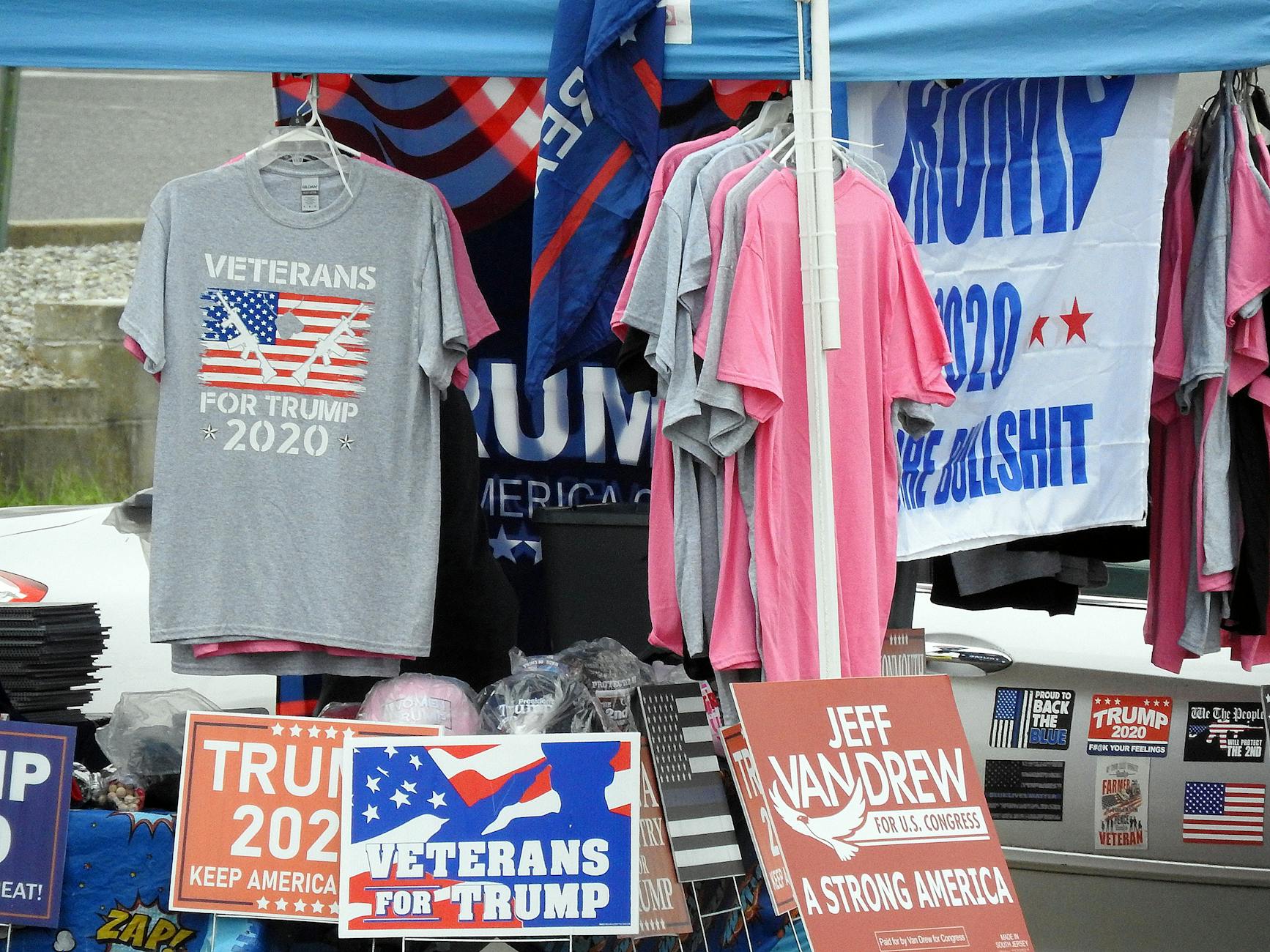
The 2026 midterm elections are being reshaped by a backlash against Trump's draconian immigration policies and a growing fatigue with the culture war themes that defined the 2024 general election. Narrow issues like transgender identity and 'wokeness' are losing traction with the MAGA base, while crime, immigration, and cost of living have emerged as the dominant policy themes. The administration's harsh crackdowns, particularly in states like Minnesota, have drawn public backlash and hurt the president's approval rating on these issues.
Democrats are capitalizing on this shift, focusing on affordability in housing and healthcare while highlighting the impact of inflation. The party's message is gaining traction, with recent gains in key districts across California, Wisconsin, Florida, and Texas. Polls show Democrats holding a 5.8% advantage as of July 2, 2026, suggesting a serious threat to Republican control of Congress. The midterms will serve as a referendum on Trump's immigration and economic record.
Trump's White House has attempted to pivot toward affordability, launching a tour to address cost-of-living concerns. However, the president often veers back to immigration and culture war issues, which continue to animate his base but alienate broader voters. The administration's struggle to deliver on affordability and reverse economic souring threatens to erode GOP support in swing districts.
Key questions for the future of Congress include how mid-decade redistricting will settle and whether Democrats can take back the House. The administration's immigration policies, particularly its deportation agenda, remain a critical factor in the electoral outcome. The battle over immigration and the economy will define the midterms.
As the U.S. celebrates its 250th anniversary, the political landscape is marked by a divided public grappling with immigration backlash and economic discontent. The 2026 midterms will determine whether the GOP can hold Congress or face a Democratic takeover, with immigration and cost of living as the defining issues.