German Chancellor Friedrich Merz made a calculated political move by publicly criticizing the Trump administration's Iran policy—only to discover the price of dissent. Trump swiftly responded with a threat to withdraw American troops from Germany, a maneuver that transforms military presence from strategic asset into bargaining chip.
The confrontation highlights a deeper fracture in European-American relations. The U.S. has historically granted European leaders space to voice concerns while maintaining the security architecture that underwrites NATO. Trump is rejecting that implicit compact. By tying military commitment to political alignment, the administration is forcing European governments into an uncomfortable position: accommodate Washington's foreign policy or risk destabilization of your security.
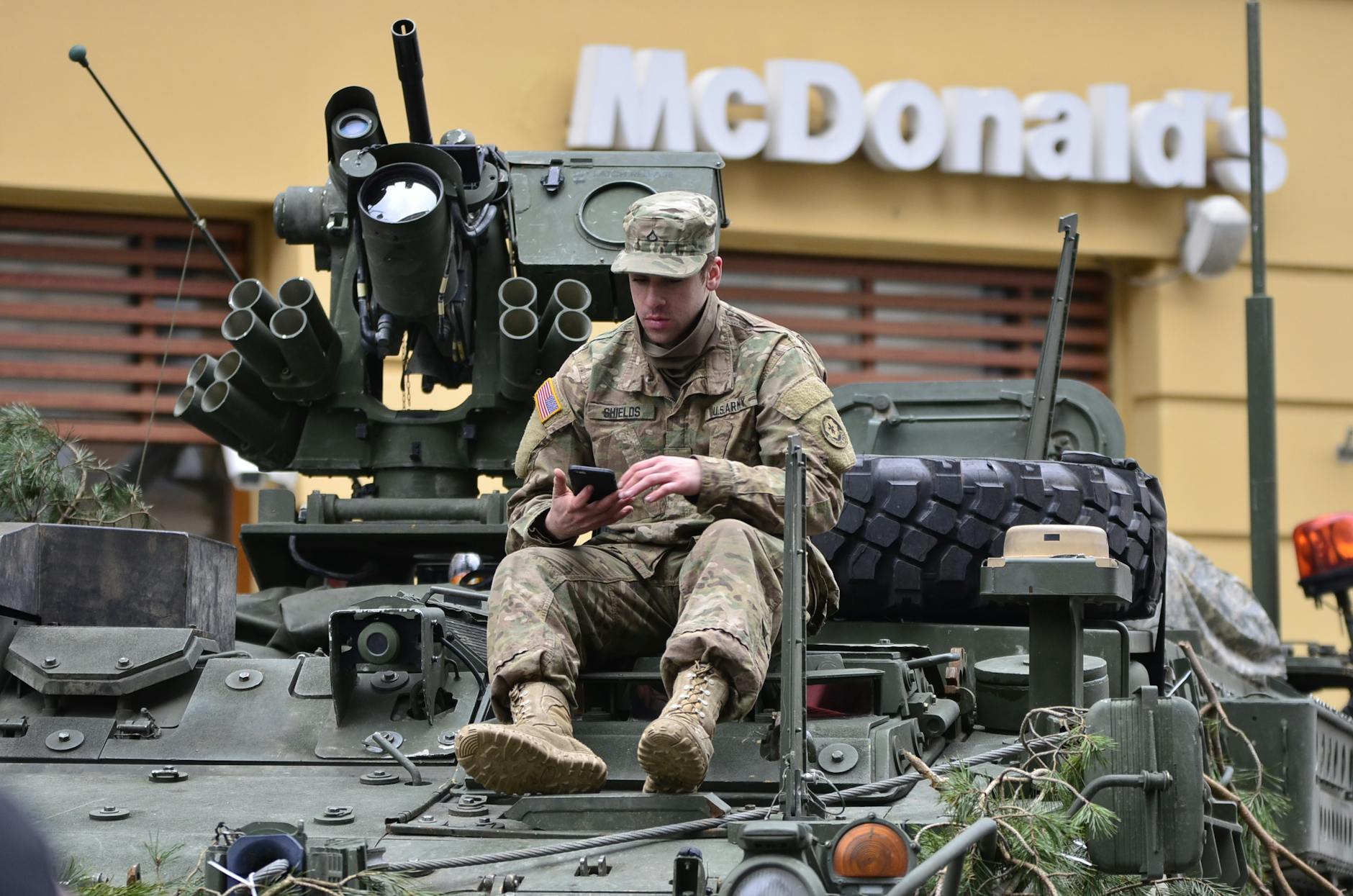
For Germany specifically, the threat carries particular weight. German territory hosts the largest concentration of American military infrastructure in Europe, including critical air force bases and logistics hubs. Withdrawal wouldn't merely be symbolic; it would fundamentally alter Europe's defense posture and accelerate German rearmament—a prospect that unsettles neighbors and complicates EU defense policy harmonization.
Merz's gamble signals that European leaders still believe they can shape American policy through public pressure and coalition-building. Trump's response suggests otherwise. The EU faces a choice: develop independent strategic autonomy or accept subordination to American preferences. Either path requires fundamental restructuring of European defense and foreign policy—exactly the kind of systemic change that current institutions are poorly equipped to manage.