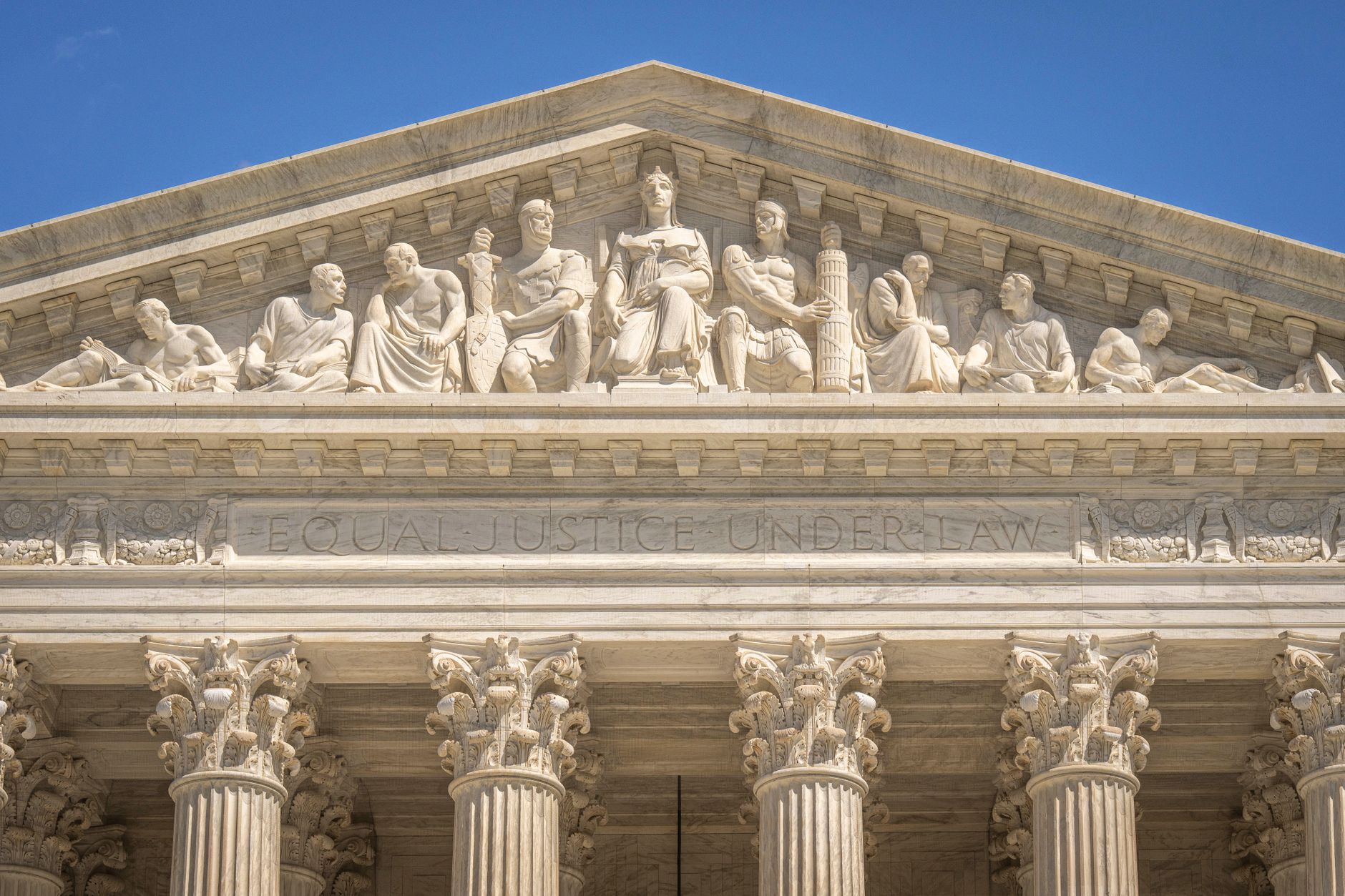
In a landmark 6-3 decision, the Supreme Court struck down a federal law that restricted the amount of money political parties could spend in coordination with candidates, declaring such limits a violation of the First Amendment. The Court’s conservative majority, led by justices appointed by Trump, argued that coordinated expenditures are essential to free speech and democratic participation.
The ruling is expected to reshape the 2026 midterm landscape, allowing parties to funnel unlimited resources to candidates through coordinated campaigns. Political analysts say this could lead to a surge in high-dollar advertising, donor activity, and strategy-driven spending across battleground states.
Opponents of the decision, including Democrats and good-government groups, have condemned the ruling as a direct assault on electoral integrity. They argue that it will give wealthy donors and special interest groups disproportionate power, undermining the principle of equal representation.
Meanwhile, Trump’s allies have praised the decision as a victory for political freedom, with the White House issuing a statement that the Court has “protected the backbone of American democracy.” The administration has already signaled plans to expand its coordination efforts with party leaders and congressional candidates.
As Congress debates a new federal budget to avoid a government shutdown, the campaign finance ruling has become a central issue in the political debate. Lawmakers are increasingly divided on whether to pass new legislation to counterbalance the Court’s decision, with some calling for constitutional amendments to restore campaign finance limits.