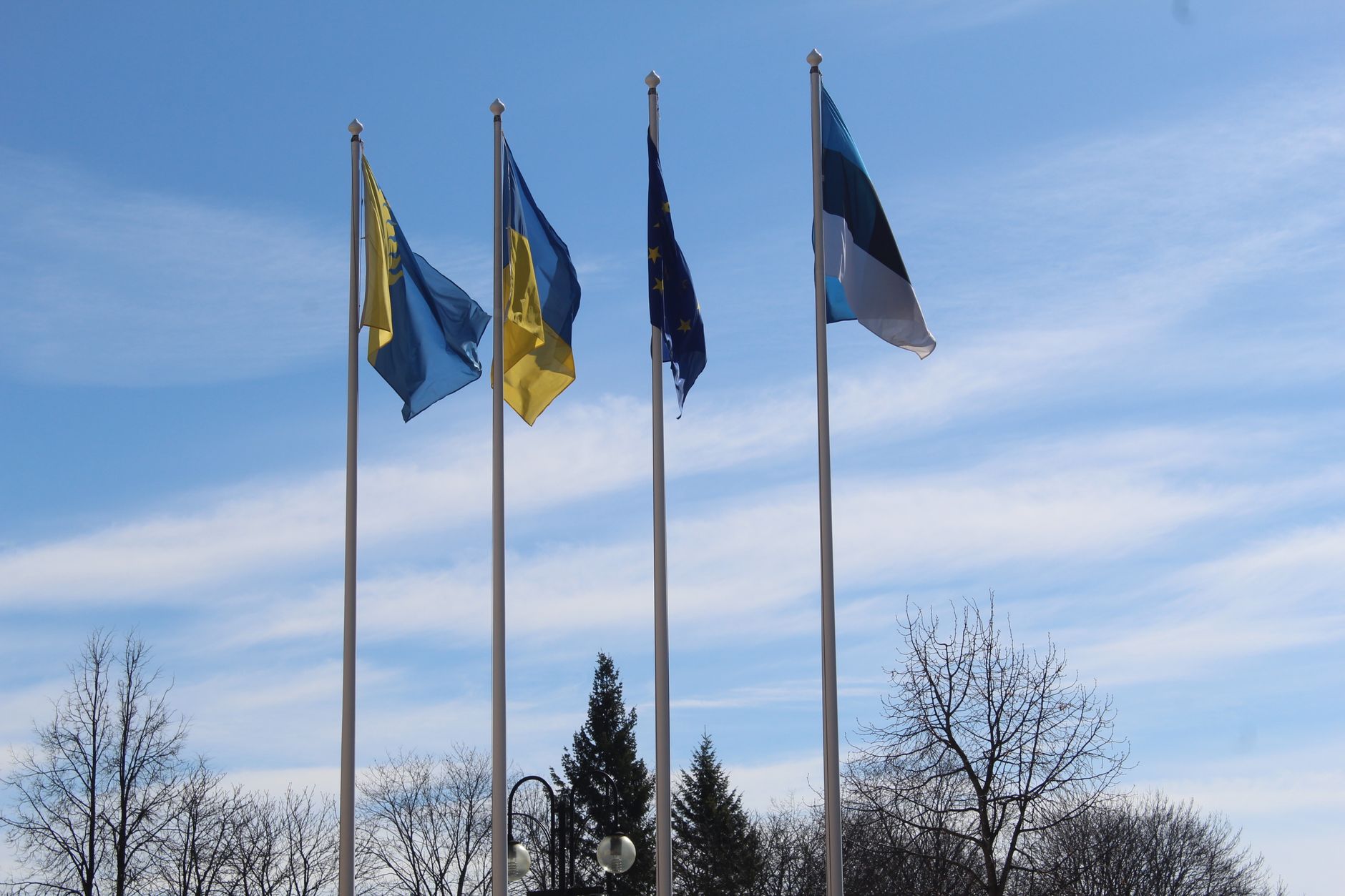
The architecture of European support for Ukraine has taken a monumental leap forward with EU Foreign Affairs Chief Kallas announcing an imminent €90 billion macro-financial loan. This unprecedented financial lifeline, coupled with the prospective unblocking of the European Peace Facility (EPF) weapons fund, marks a turning point in the war’s financing. The breakthrough was directly enabled by Hungary’s post-election change of government, which removed the long-standing bottleneck that had paralyzed EU defense cooperation for months.
The unification of the EPF and the macro-loan signals a shift from reactive aid to proactive strategic investment in Ukraine’s defense capabilities. Member States are now calling for the fast-tracking of the 20th round of Russia sanctions, a move intended to pressure the Kremlin further while solidifying the EU’s stance as a unified geopolitical actor. The unblocking of Ukraine’s accession negotiation clusters suggests that the EU is preparing to integrate Kyiv not just as a recipient of aid, but as a future member of the bloc.
This geopolitical maneuvering reflects a broader recalibration of the EU’s Common Foreign and Security Policy (CFSP), which has struggled with unanimity requirements among 27 member states. Hungary’s pivot demonstrates that internal political shifts can have outsized impacts on continental strategy, effectively turning a national veto into a continental opportunity. The EPF, designed to fund the purchase of military equipment for Ukraine, will now see its full potential unleashed, providing the battlefield with the artillery and armor needed to hold the line.
As the EU moves to fast-track sanctions and accession talks, the bloc is cementing its role as the primary defender of European sovereignty against Russian aggression. The €90 billion loan is not merely a financial transaction; it is a statement of political will that ties the EU’s economic health to Ukraine’s survival. With the Council’s approval now imminent, the EU is poised to emerge from its diplomatic paralysis as a formidable force in the global security order.