The European Union steps into the storm at the G7 Évian summit as Ursula von der Leyen and Pedro Costa confront a cacophony of crises that threaten to unravel Europe's strategic coherence. Ukraine's stalled integration, Iran's nuclear provocations, and the specter of AI-driven trade wars loom over discussions that could redefine the continent's global role for a generation. Leaders face mounting pressure to deliver decisive action while allies fracture over security commitments and economic priorities.
Ukraine's path to EU membership remains the summit's most contentious issue, with Eastern European states demanding accelerated accession while Western blocs caution against institutional overload. Von der Leyen insists that Kyiv's admission is non-negotiable for European security, yet member states balk at the budgetary implications and reform demands. The debate underscores a deeper rift: whether Europe prioritizes strategic expansion or internal consolidation in an era of existential threats.
Iran's nuclear program has ignited fresh tensions, with European diplomats warning that Tehran's escalation could destabilize the entire Middle East and trigger energy shocks across the continent. The EU proposes a joint sanctions framework, but G7 partners diverge on enforcement mechanisms and diplomatic engagement. Costa argues that Europe must lead transatlantic coordination, yet the absence of US commitment weakens the bloc's leverage and exposes its strategic fragility.
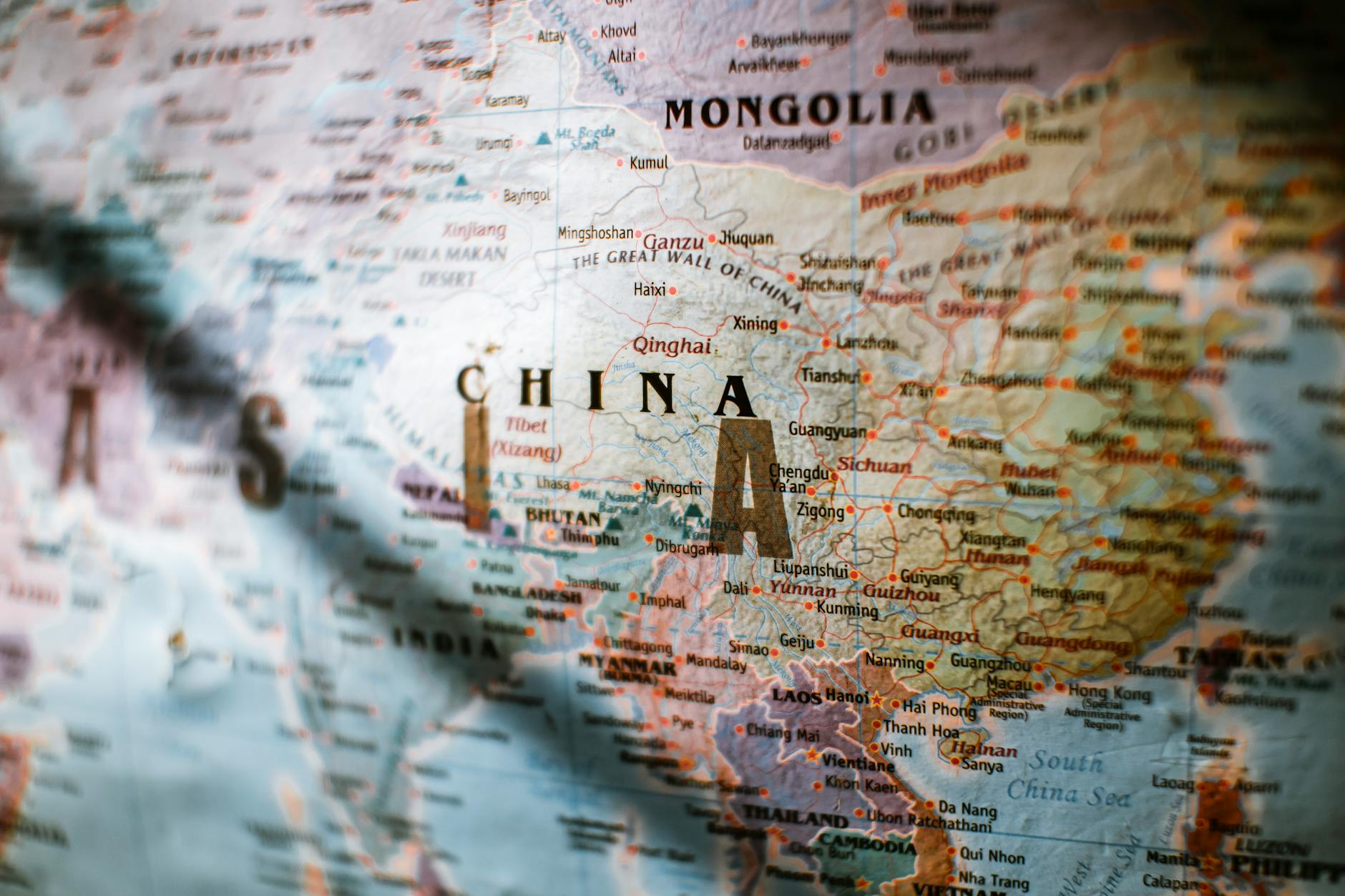
Artificial intelligence and trade wars form the third pillar of the summit's crisis agenda, as Europe grapples with China's dominance in critical tech components and the potential collapse of multilateral trade rules. Von der Leyen calls for a European AI regulatory shield, while Costa warns that isolationism could cripple the continent's export economy. The EU's attempt to reduce reliance on China for critical components faces fierce resistance from trading partners, revealing the bloc's limited capacity to reshape global supply chains.
The summit concludes with no unified European strategy, leaving the EU exposed to strategic drift as allies prioritize national interests over collective security. Von der Leyen and Costa acknowledge Europe's precarious position but offer no concrete roadmap to navigate the coming storm. The EU's global role in 2026 hinges on whether it can transform strategic anxiety into decisive action before the next crisis reshapes the continental order.