Europe faces a decisive security crossroads in 2026 as Ukraine's integration into the EU, defense capability gaps, and EU-China relations collide with artificial intelligence risks, climate change, and the battle over the continent's long-term budget. The European Parliament's "Ten issues to watch" report underscores the EU's precarious position, warning that global power balances shift while the rules-based international order comes under pressure. Europe must make critical choices that shape its security, prosperity, and democratic values before the next crisis reshapes the continental order.
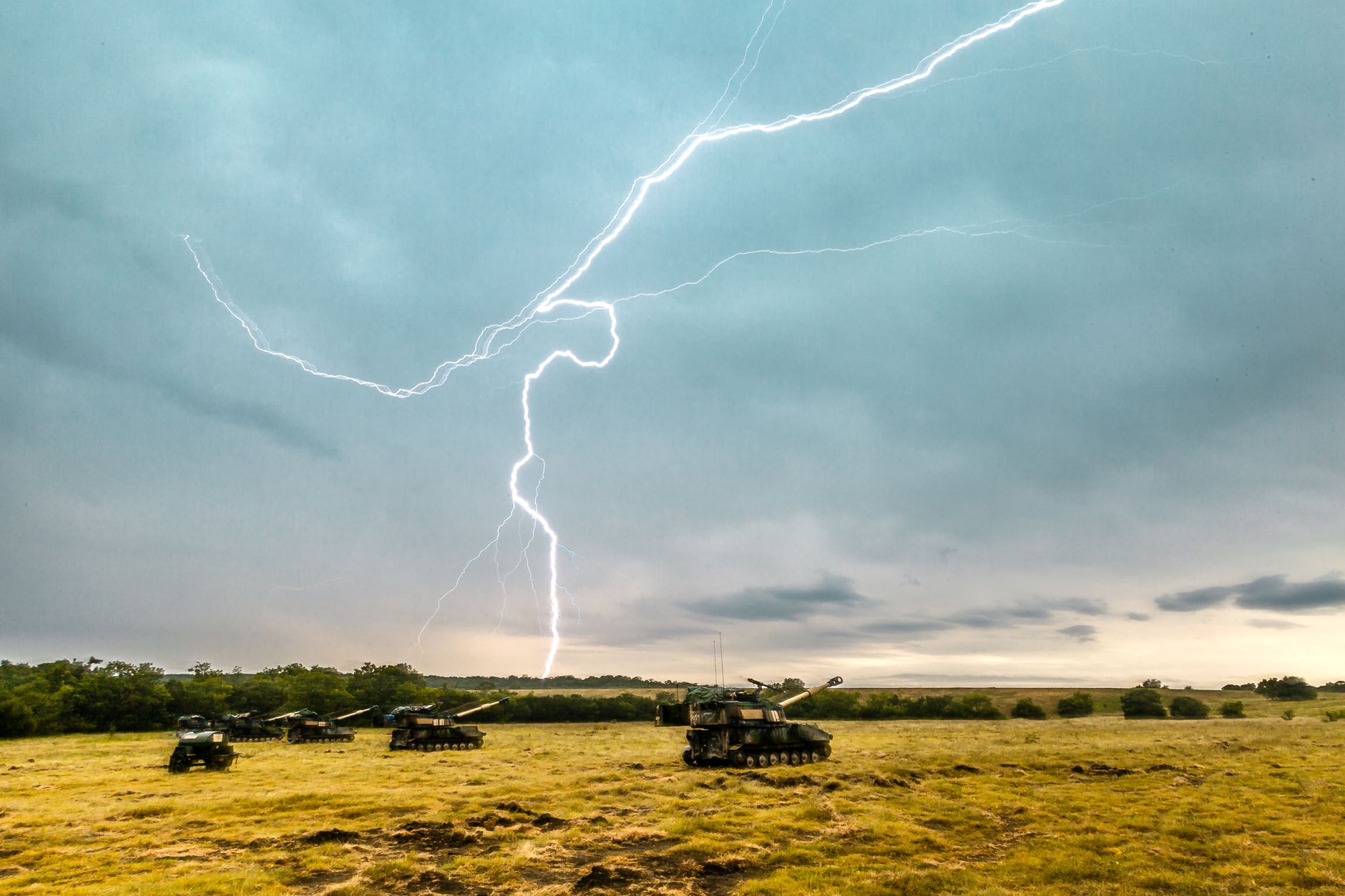
Ukraine's integration into the EU remains the bloc's most contentious issue, with Eastern European states demanding accelerated accession while Western blocs caution against institutional overload. The debate underscores a deeper rift: whether Europe prioritizes strategic expansion or internal consolidation in an era of existential threats. The EU's defense capability gaps have widened, with member states struggling to fund joint military projects and modernize arsenals amid economic stagnation.
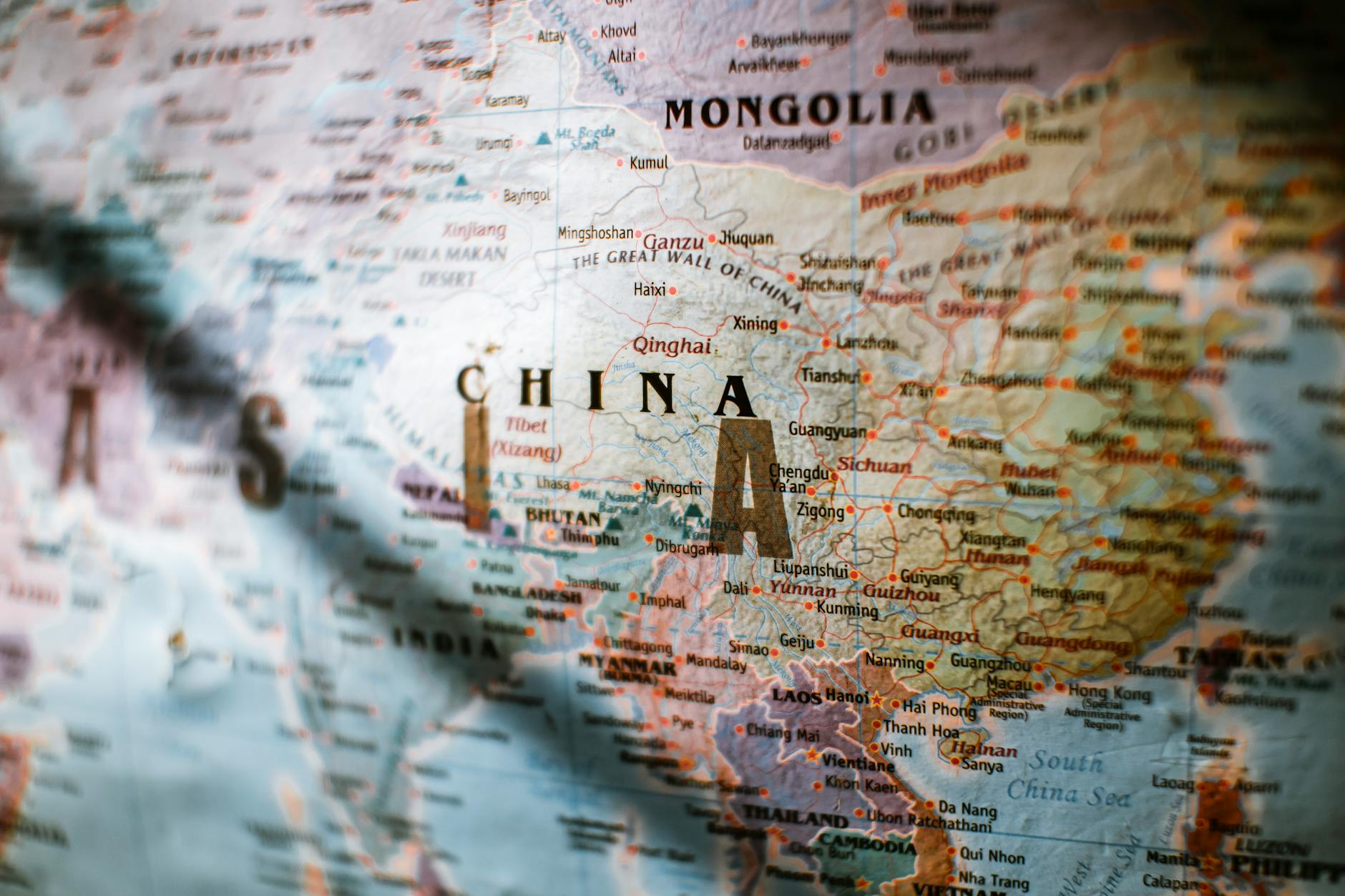
EU-China relations have deteriorated as Beijing dominates critical tech components, prompting the EU to reduce reliance on China for critical components. The Commission proposes an implementing act to restrict Chinese imports, but the move risks retaliatory measures that could cripple Europe's export economy. The EU's broader China policy remains fragmented, with member states diverging on enforcement mechanisms and diplomatic engagement.
Artificial intelligence and climate change form the third pillar of the EU's crisis agenda, as Europe grapples with AI-driven trade wars and the need for green energy transition. The EU proposes a joint AI regulatory shield, while the Commission warns that isolationism could cripple the continent's export economy. The EU's climate change policy faces resistance from member states unwilling to fund further green initiatives without progress on asylum and border control.
The battle over Europe's long-term budget has intensified, with member states demanding stricter spending controls while the Commission insists on investments in defense, AI, and climate. The EU's response to the crisis remains fragmented, with no unified strategy to manage defense gaps, climate change, or AI risks. The bloc's future depends on whether it can transform strategic anxiety into decisive action before the next crisis reshapes the continental order.