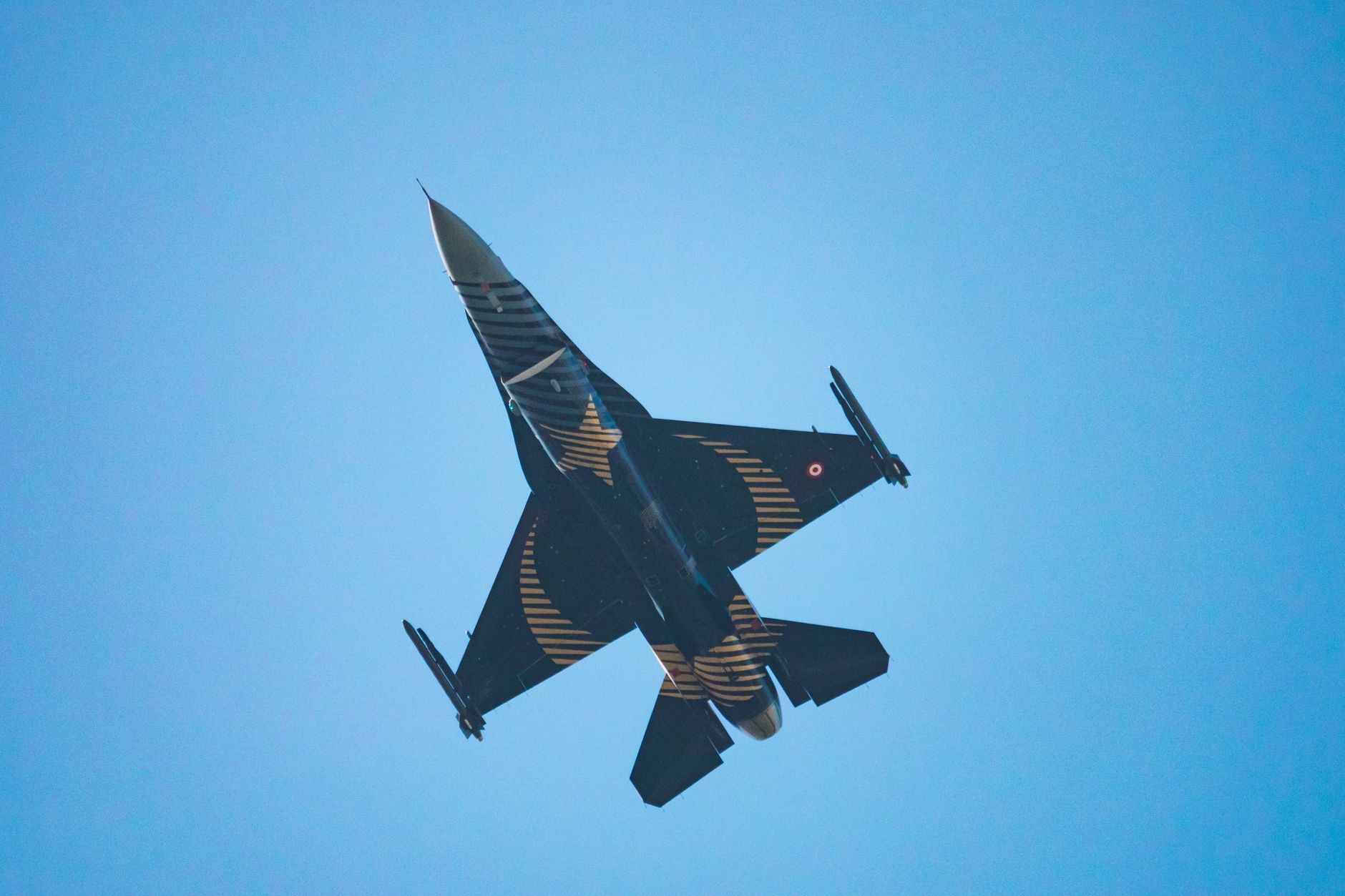
At the NATO summit in Ankara, President Trump is spearheading a bold foreign policy reversal by advocating for the sale of F-35 fighter jets to Turkey—a decision that directly contradicts his first-term ban on the same technology. This move, coupled with Congress's prohibition on Turkey receiving the jets due to its purchase of a Russian air defense system, has sparked a fierce debate over U.S. strategic priorities and alliance integrity.
Simultaneously, the U.S. Southern Command has deployed at least 2,000 military personnel, drones, and combat helicopters to Venezuela, marking a significant escalation in American intervention in the region. This deployment, alongside existing Marine and Air Force presence, signals a heightened focus on countering leftist influence and securing U.S. interests in Latin America.
The juxtaposition of Trump's NATO diplomacy with the Venezuela military surge highlights a complex foreign policy landscape where alliance management and regional intervention often collide. Critics argue that these actions undermine long-standing U.S. commitments to international norms, while supporters contend they are necessary to address emerging threats and protect national interests.
As the summit proceeds, the international community is closely watching how Trump's decisions will reshape U.S. relations with Turkey and other NATO members. The potential for strained alliances and increased global tensions looms large, with the F-35 issue and Venezuela deployment serving as pivotal test cases for America's foreign policy direction.