Introduction: The War That Isn't a War
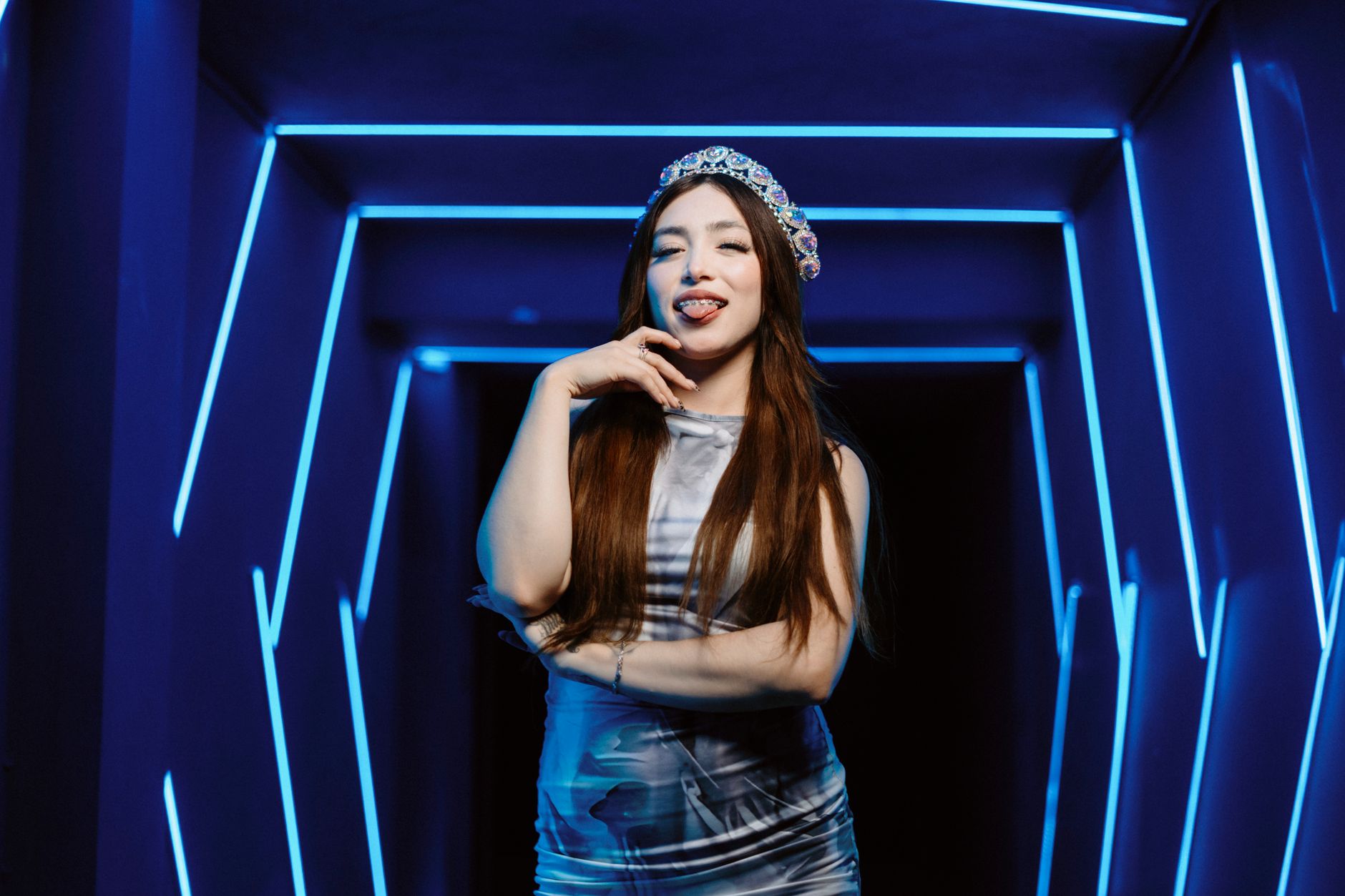
America speaks constantly of culture wars, but the reality is subtler. The battles are not fought with clear banners of left and right, but in the quiet, anxious spaces of young lives shaped by pandemic isolation, economic precarity, and the relentless scroll of social media. Generation Z, often mischaracterized as a radicalized mass of red-pilled men or blue-haired women, is in fact a deeply divided, evolving generation weary of the very conflicts that define them. They are tired of the endless noise, skeptical of foreign interventions, and desperate for authenticity in a world that feels increasingly performative.
"Gen Z in 2026 is not a monolith of red-pilled men and blue-haired women. They are anxious, economically squeezed, tired of endless culture wars."
Yet, they remain trapped in the systems that feed them division. Social media, particularly TikTok, has become not just a tool for entertainment but a multipurpose engine for search, commerce, and connection. For many young Americans, it is where they discover not just trends but truths—and where they often find themselves caught in the gears of algorithms designed to amplify conflict.
TikTok and the New Culture War Engine
TikTok is the heartbeat of Gen Z's cultural engagement. It is where identity politics are born, tested, and sometimes weaponized. The platform's algorithm, optimized for virality, often rewards outrage. A post about cancel culture, a university protest, or a religious identity clash can explode overnight, drawing millions of viewers into a debate that feels personal yet is manufactured by distant coders.
But the platform is also a space of genuine connection. For many, it is where they find community, share hobbies, and escape the relentless pressure of the news cycle. The duality is stark: TikTok fuels anxiety while offering refuge. Dr. Alton Bozeman, a psychologist from The Menninger Clinic, notes that constant exposure to negative information is normalizing anxiety among young people. Yet, the same platform offers tools for restorative action—hobbies, friendships, and moments of stillness that last beyond the activity itself.
"When we have a lot of anxiety, we tend to avoid hobbies. But doing the things you like, seeing your friends, getting out of the house—those are restorative."
This tension defines the new culture war. It is not a battle of ideologies but a struggle between performance and authenticity, between the noise of the algorithm and the quiet of real life.
Cancel Culture and the University Campus
Universities have become the frontline of the culture war. From Georgetown to UCLA, campus debates over free speech, religious identity, and political correctness have intensified. Cancel culture, once a fringe concept, is now a mainstream tool used to silence dissent, protect ideologies, and enforce conformity.
But the story is not one of simple victimhood. Students are not just being canceled; they are canceling others. The gender gap in dating and daily interactions is real, rooted not in ideology but in relational and cultural dynamics. Young men and women are increasingly at odds, not because of political divides, but because of misaligned expectations, communication breakdowns, and the pressure of performance.
Cancel culture, in this context, is less about morality and more about power. It is a tool used to enforce norms, protect reputations, and suppress dissent. Yet, it is also a response to real harm. When a student feels targeted, silenced, or marginalized, cancel culture offers a way to reclaim agency. The problem is not the tool itself but how it is wielded—often recklessly, often without nuance, often without regard for the long-term consequences.
Identity Politics and the Rise of 'Chinamaxxing'
Identity politics, once confined to racial and gender debates, has expanded into new terrains. Among Gen Z, a new trend called "Chinamaxxing" has emerged. Young Americans are adopting what they consider Chinese cultural habits—drinking hot water instead of iced lattes, wearing house slippers indoors, embracing traditional Chinese skincare routines. This trend is not just about fashion or lifestyle; it is a geopolitical statement in a time of rising tensions between the U.S. and China.
"Chinamaxxing" is a form of cultural diplomacy, a way for young Americans to signal openness, curiosity, and even solidarity with a global rival. It is also a rejection of American consumerism and a embrace of alternative values. In a world where identity is increasingly performative, "Chinamaxxing" offers a new way to be.
"Chinamaxxing can mean drinking hot water instead of iced lattes, wearing house slippers indoors, or embracing traditional Chinese skincare routines."
But it is also a reminder that identity politics is not just about race or gender. It is about where we come from, what we value, and how we choose to live. And in a time of global tension, it is also about how we choose to connect.
Religion, Dating, and the Search for Authenticity
Religion, once a private matter, has become a public battleground. Young Americans are increasingly divided over religious identity, with some embracing traditional faith and others rejecting it altogether. In a world of performance, religion offers a sense of stillness, a way to be grounded in values that transcend the noise of the algorithm.
Dating, too, has become a site of conflict. The gender gap is undeniable, rooted not in ideology but in relational dynamics. Young men and women are struggling to connect, not because of political divides, but because of misaligned expectations, communication breakdowns, and the pressure of performance.
In this context, the search for authenticity is not just a trend but a necessity. It is a way to reclaim agency, to find meaning, and to connect with others in a world that feels increasingly performative. It is a way to say: I am not just what the algorithm says I am. I am more than that.
Conclusion: The War That Will Define Us
The culture war is not a battle of ideologies. It is a struggle between performance and authenticity, between the noise of the algorithm and the quiet of real life. It is a war that will define us, not because of who wins, but because of how we choose to live.
Generation Z is not a monolith. They are anxious, economically squeezed, tired of endless culture wars, and desperate for authenticity. They are not red-pilled men or blue-haired women. They are evolving, struggling, and searching for a way to be in a world that feels increasingly performative.
The culture war is not a war at all. It is a conversation, a struggle, a search for meaning in a world that feels increasingly divided. And it is a conversation that will define us, not because of who wins, but because of how we choose to live.