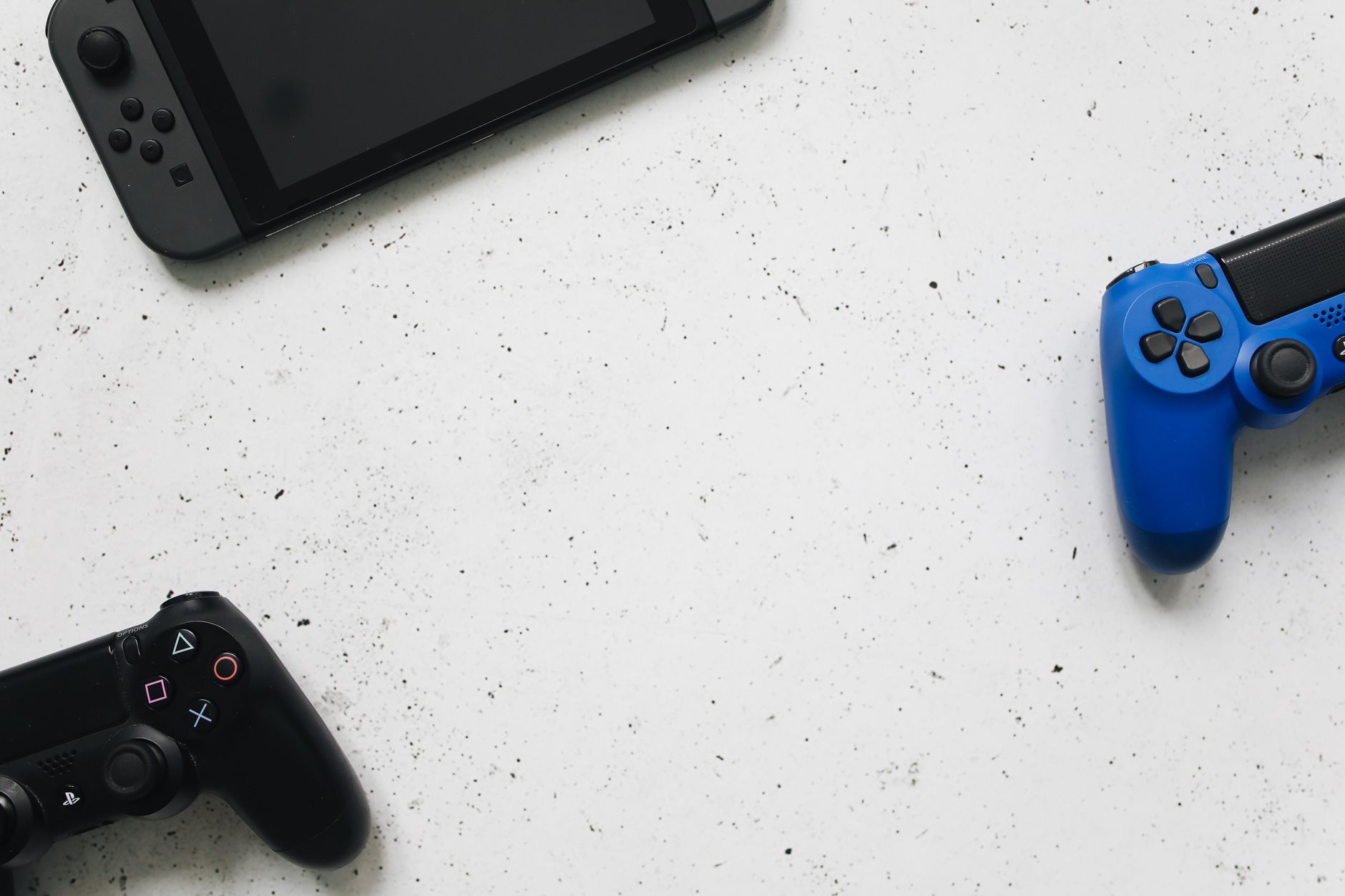
The Xbox Reckoning
In the shadow of seismic leadership changes, Microsoft’s gaming division—now rebranded under the simple banner of “Xbox”—is undergoing a profound transformation. Hardware revenue has cratered by 33% in the third quarter of 2026, with content and services dipping another 5%. The retirement of longtime Xbox chief Phil Spencer and the departure of Sarah Bond have ushered in Asha Sharma, the former head of CoreAI, as the new steward. Her mandate is clear: pivot from console-centric decline to a borderless ecosystem encompassing phones, laptops, TVs, and beyond.
Microsoft’s internal metrics are shifting dramatically. No longer fixated on quarterly sales cycles, the company now prioritizes daily active players—a razor-sharp gauge borrowed from social media giants like Meta and TikTok. This reflects the reality of modern gaming: fleeting, habitual engagement over one-off purchases. With over 500 million monthly active users across platforms, Xbox boasts scale, but retention is the new battleground. Cloud gaming hours, meanwhile, ticked up to 1.7 billion in 2025, a bright spot signaling the potential of streaming to liberate games from hardware silos.
Sharma’s playbook includes reevaluating exclusivity, accelerating multi-platform releases, and harnessing AI for smarter development. The “this is an Xbox” campaign hammers home the message: Xbox isn’t a box anymore; it’s everywhere. Game Pass Ultimate, comprising 70% of the subscriber base, is the linchpin—pumping out “Day One” launches and cloud perks to lure the 95% of gamers glued to mobile devices. Yet, this shift bypasses app store chokeholds via native smart TV apps and browser streaming, a sly end-run around Apple and Google’s tollbooths.
“It’s just Xbox.” This stripped-down ethos masks a high-wire act: can Microsoft monetize its vast audience without alienating core console faithful?
Windows now drives more players and hours than ever, emerging as the fiercest arena of competition. Developer tools from GDC 2026 emphasize cross-device scalability, ensuring games thrive on everything from handhelds to high-end rigs. The Xbox Game Dev Update, kicking off May 7, promises fresh insights from studio teams, underscoring Microsoft’s developer-first pivot.
Sony’s Exclusivist Redoubt
While Microsoft flings open the gates, Sony hunkers down in its fortress of exclusives. The PlayStation 5 lifecycle, now deep into its stride, leans on tentpole franchises like God of War, The Last of Us, and Spider-Man to justify premium hardware pricing. Sony’s strategy remains defiantly console-first, with PS5 sales surpassing 60 million units by early 2026, buoyed by a content drought in rival camps.
Yet cracks are forming. Subscription fatigue is real; PlayStation Plus, despite tiered innovations like cloud saves and classics vaults, trails Game Pass in sheer volume. Sony’s response? Doubling down on live-service hybrids—think Helldivers 2’s breakout success—and selective PC ports years after console debuts. This timed exclusivity preserves the moat, coaxing upgrades while milking back-catalog revenue.
Mobile remains Sony’s blind spot. Lacking a native foothold, the company eyes acquisitions or partnerships, but cultural inertia prevails. Leadership at Sony Interactive Entertainment, under Hiroki Totoki’s watchful eye, prioritizes profitability over expansion. Operating margins hover near 30%, a testament to disciplined spending amid Hollywood-level productions. Still, whispers of a PS6 reveal loom, promising backward compatibility and AI-enhanced NPCs to counter Xbox’s ecosystem sprawl.
Sony’s bet: quality over quantity. In a sea of subscriptions, premium single-player epics offer escapism that endless queues cannot. But as players migrate to free-to-play mobile battle royales, can Sony’s walled garden endure?
Nintendo’s Timeless Enchantment
Nintendo operates in a parallel universe. The Switch 2, unveiled to fanfare in early 2026, blends hybrid portability with 4K docked power, selling out supply chains within hours. Strategy? Ignore the arms race. While Microsoft chases daily metrics and Sony polishes blockbusters, Nintendo crafts joy: bite-sized delights like Super Mario Odyssey sequels and Animal Crossing evolutions that transcend demographics.
Subscriptions take a backseat; Nintendo Switch Online is a modest add-on, emphasizing multiplayer and retro libraries over day-one blockbusters. Revenue streams from evergreen IPs—Mario, Zelda, Pokémon—generate billions with minimal risk. Handheld dominance insulates Nintendo from cloud uncertainties; low-power efficiency means games run anywhere, anytime.
Mobile ventures like Fire Emblem Heroes and Mario Kart Tour rake in steady microtransaction gold, but consoles remain sacred. Shuntaro Furukawa’s regime eyes augmented reality tie-ins, merging physical toys with digital realms—a la Labo 2.0. Nintendo’s market cap rivals Sony’s, proof that whimsy trumps horsepower.
Nintendo proves gaming needn’t chase subscriptions or clouds; sometimes, a plumber jumping on turtles suffices.
Challenges persist: aging IP fatigue and developer exodus to bigger budgets. Yet Nintendo’s family-friendly ethos captures casual players fleeing toxic online arenas, positioning it as the industry’s joyful outlier.
The Mobile Tsunami
Mobile gaming isn’t a segment; it’s the colossus. In 2026, it commands 52% of global revenue, eclipsing consoles and PC combined. Free-to-play juggernauts—Genshin Impact, Roblox, Fortnite—monetize via battle passes and cosmetics, amassing billions from impulse spends. China’s miHoYo and Tencent dominate, exporting hyper-polished experiences worldwide.
Barriers crumble: 5G blankets urban centers, cloud streaming erodes hardware needs. Microsoft’s native TV and browser pushes target this 95% mobile majority, while Apple’s Vision Pro experiments hint at spatial computing frontiers. Yet monetization puzzles abound—ad fatigue and regulation (EU’s DMA cracks app store monopolies) threaten the model.
Hybrids emerge: console ports optimized for touch, like Call of Duty: Warzone Mobile. Indies thrive on accessible engines, birthing hits from garages. Mobile’s curse? Fragmentation. Vast device diversity hampers parity, but AI tools promise one-click ports.
Subscriptions: Promise or Pandora’s Box?
Game Pass epitomizes the subscription revolution. At 40 million subscribers (estimates), it devours 20% of Microsoft’s gaming intake, yet profitability lags. Day-one titans like Starfield expansions draw hordes, but churn spikes post-launch. Ultimate tier’s cloud allure shines, yet latency plagues rural reach.
Sony’s Plus Essential, Extra, Premium tiers mimic Netflix, curating value. Nintendo’s barebones service suffices for its audience. Broader trends: Ubisoft+, EA Play fold into bundles, commoditizing hits. Publishers revolt—Activision Blizzard’s post-Microsoft integration yields mixed day-one results, sparking creator pay debates.
Economics tilt precarious. Upfront costs balloon (AAA budgets top $300 million), subscriptions defer revenue. Indies suffer most; discoverability drowns in algorithmic sludge. Yet retention soars—daily actives predict loyalty better than sales spikes.
Cloud gaming, Game Pass’s secret sauce, logs billions of hours but infrastructure devours cash. Azure synergies help Microsoft, but rivals like Google Stadia’s ghost warn of pitfalls.
Strategic Fault Lines
Microsoft’s all-in ecosystem risks dilution; without exclusives, why pick Xbox? Sony’s isolation courts obsolescence amid multi-platform norms. Nintendo’s insularity caps scale, vulnerable to copycats.
M&A looms: Microsoft eyes mobile studios post-Activision; Sony covets Western devs; Nintendo hoards talent. Regulation bites—UK blocks loom, antitrust hawks circle Big Tech’s gaming grabs.
AI disrupts: procedural worlds cut dev time, but job losses brew unrest. Player agency erodes in live-service grinds, fueling backlash.
The Next Level
By 2030, gaming swells to $300 billion, subscriptions claiming 40%. Microsoft leads the charge, Sony guards the premium flank, Nintendo enchants the masses, mobile devours all. Success hinges on balance: ecosystems without erosion, subs without starvation. As Sharma’s Xbox evolves, one truth endures—gaming thrives on innovation, not imitation. Players, spoiled for choice, will dictate winners.