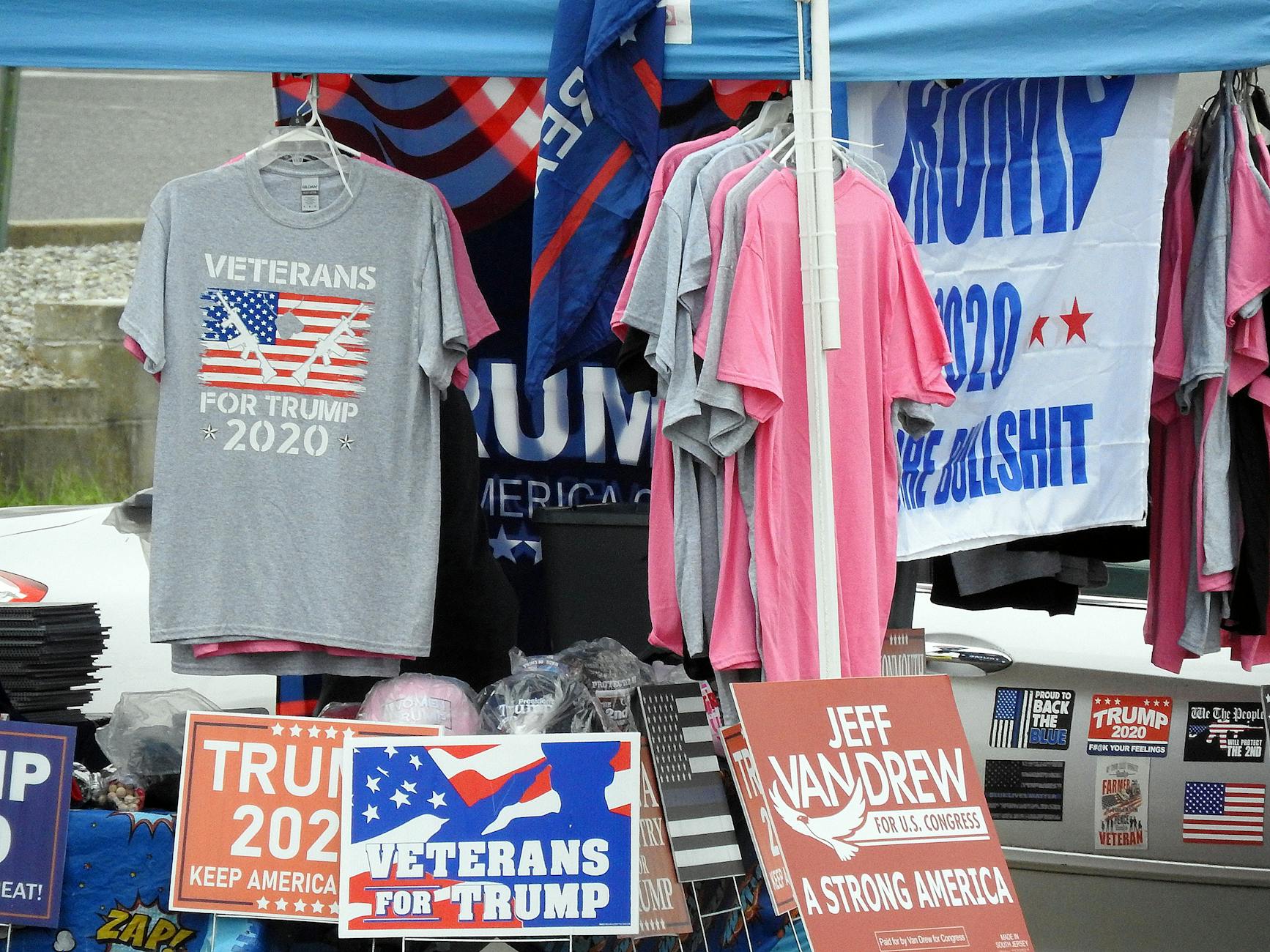
As the 2026 midterm elections approach, President Donald Trump faces a political reckoning in the United States affordability crisis that is reshaping the domestic political landscape. While Republicans initially tried to pivot toward conservative and patriotic values to dilute the impact of 'wokeness' debates, the narrowing focus on economic pain has betrayed the administration's core base. Polls indicate Trump's approval ratings on immigration and tariff policies have plummeted, particularly after harsh crackdowns in Minnesota and other states sparked regional backlash[5].
Democrats are capitalizing on voter frustration by centering their campaigns on affordability in housing and healthcare, directly challenging the administration's record on inflation. The main theme of the 2026 elections has unequivocally shifted from the ideological battles of 2024 to the tangible struggle of median-income families trying to make ends meet. This shift threatens to erode the Republican hold on Congress, as midterms historically disfavour the incumbent party when economic sentiment is negative[4][3].
The administration's reliance on 'Save America Act' rhetoric to disenfranchise voters is increasingly viewed as a distraction from the real economic failures that voters are tallying up. States are scrambling to manage new priorities demanded by Washington while tightening their belts in a tough budget cycle, creating a volatile environment for federal relationships. The disconnect between Washington's policy priorities and the daily realities of American households is becoming the defining feature of this election cycle[1][7].
With the 250th birthday celebrations recently concluded, the national mood has shifted from patriotic reflection to urgent economic concern. The upcoming battle for control of Congress will likely hinge on whether Republicans can regain ground on the economy or if Democrats can successfully frame the election as a referendum on affordability[6].
Ultimately, the 2026 midterms represent a critical test of Trump's ability to adapt to a voter base that has grown weary of cultural conflations and demands concrete solutions to rising costs. Failure to address the affordability crisis could result in a significant loss of congressional power for the Republican Party, altering the trajectory of the remainder of Trump's presidency[4][5].