The End of the Hype Cycle
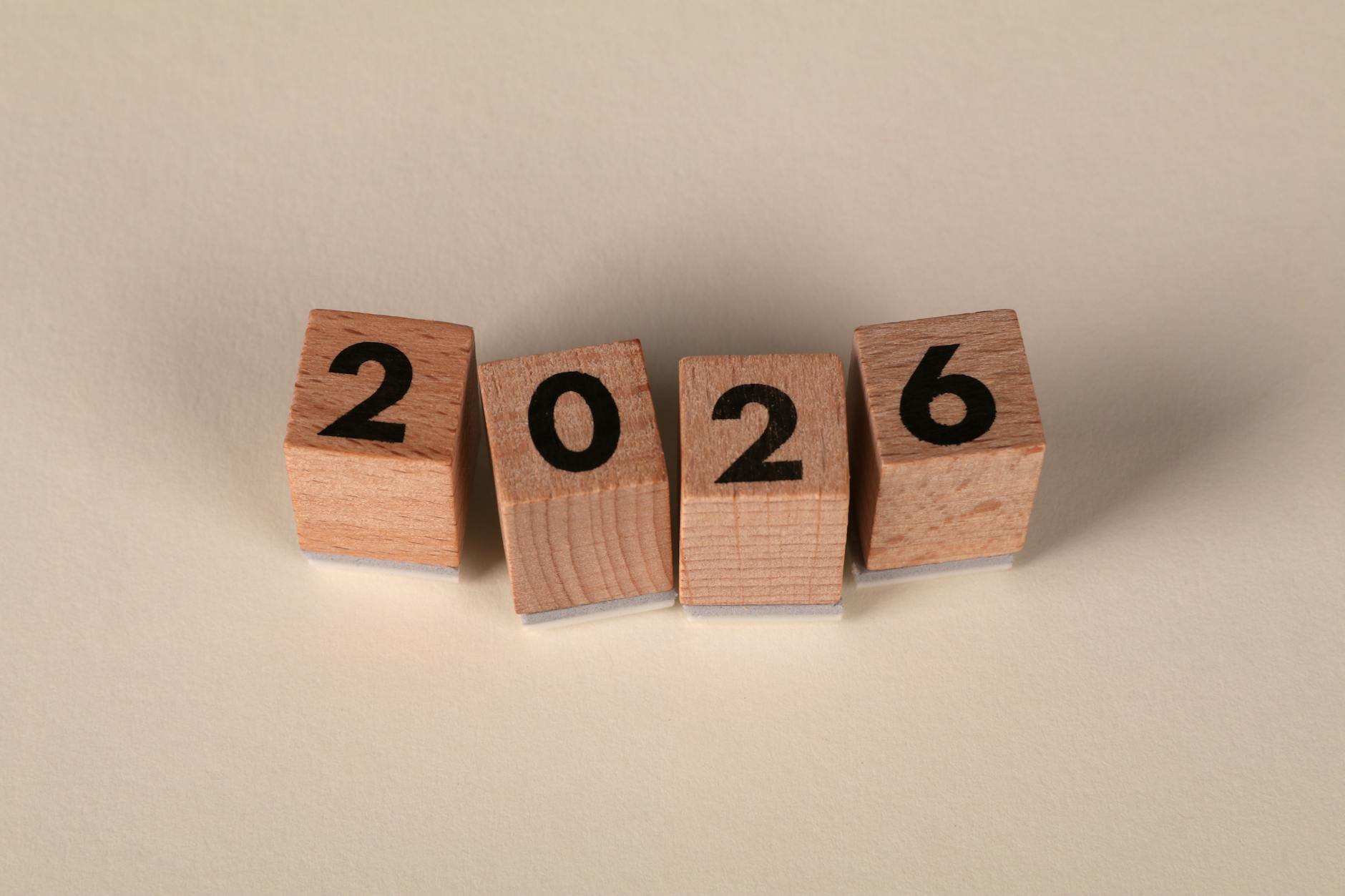
If 2024 was the year of chaotic optimism and 2025 the year of algorithmic saturation, 2026 has quietly become the year of the great unraveling. The cultural tone has shifted from the frenetic, hyper-stylized energy of the previous decade to something darker, more unsettling, and profoundly emotionally complex. The once-dominant narrative of "more is better" has collapsed, replaced by a collective exhaustion that has turned silence into an aspirational luxury and hustle culture into a suspicious relic of a bygone era. We are no longer running toward the next viral moment; we are collectively trying to opt out of the machine entirely.
This shift is not merely a mood; it is a structural transformation in how entertainment is consumed, produced, and valued. The streaming wars, once defined by a relentless accumulation of content libraries, are now defined by a scarcity of attention. Audiences are suffering from internet fatigue, a phenomenon so pervasive that it has forced a comeback of offline, analog experiences. The bar, once the default social hub for Gen Z, has empty stools, replaced by art galleries, knitting circles, and bird-watching groups. The desire to experience the physical world without the filter of a screen has become the defining social trend of the year, marking a decisive break from the digital-first ethos that has dominated for two decades.
Aesthetic Identity vs. Authentic Self
The most striking paradox of 2026 is the collision between a hunger for authenticity and the overwhelming dominance of aesthetic identity. In a culture where people curate themselves more than ever, the "authentic self" has been largely replaced by a curated persona. Pop culture mirrors this with hyper-stylized visual aesthetics, vibe-first storytelling, and aesthetic-based communities that prioritize look over substance. People are increasingly outrating themselves, presenting a polished, branded version of their lives that often feels emptier than the reality it claims to represent.
This is particularly evident in the evolution of celebrity and celebrity controversies. The performative confidence that once defined the social media celebrity has curdled into a hollow spectacle. Sexuality, while louder visually and more explicit in its language, has become emptier emotionally. The thirst traps and open sexual language that flooded platforms in previous years now feel performative, a checklist of engagement tactics rather than genuine expression. The result is a cultural landscape where the boundary between the real and the rendered has dissolved, leaving audiences to navigate a world where identity is a style choice rather than a lived experience.
In 2026, aesthetic identity replaces authentic identity. People curate themselves more than ever, and screens replace intimacy more openly. This isn’t sci-fi anymore. It’s reality.
The Return of the Pop Star and the Death of the Algorithm
Against this backdrop of digital fatigue and curated emptiness, a surprising counter-movement has emerged: the return of the monolithic pop star. After years of fragmentation, where niche indie artists and algorithmic micro-trends dominated the airwaves, the industry is circling back to the era of the superstar. This is not a return to the Y2K obsessions of the past, but a reimagining of the pop star as a figure of substance and cohesion. Artists are presenting themselves in ways that feel more cohesive, less defined by genre labels like "K-pop" or "rock," and more by a unified artistic vision.
The return of the pop star is a direct response to the public's growing disdain for AI-generated content and autotuned perfection. People are noticing the details in every creation they consume, demanding quality over algorithmic convenience. The downfall of luxury, as a cultural trend, has also played a role in this. The public perception of wealth is shifting, with a reckoning occurring over who is actually wealthy and who is merely wearing expensive clothing. This has led to a resurgence of nostalgia that goes backwards, digging into the 60s and 70s for fashion and style cues, with bands and artists adopting suits and presenting a more classic, cohesive image reminiscent of the Beatles.
In music, the industry is seeing a rise in indie artists who offer genuine, unpolished sound. Geese, Wet Leg, Lola Young, and Hillary Duff are blowing up, their popularity driven by a desire for real human connection rather than algorithmic curation. The trend is clear: people are going out to experience art, not to drink. The bar scene is dying, and the art world is rising.
Film, Streaming, and the Documentary of Real Pain
The film industry, too, is reflecting this shift toward substance and emotional complexity. The streaming wars have evolved from a battle of volume to a battle of quality, with audiences rejecting the endless scroll of mediocre content. The emotional documentary "The Voice of Hind Rajab," released in January, has become a cultural touchstone, capturing the raw, unfiltered pain of the real world. Kristen Stewart's directorial debut, "The Chronology of Water," further underscores the industry's move toward introspective, character-driven storytelling.
The resurgence of "9s and 0s" aesthetics in film and fashion, coupled with the return of grandma core, Appalachian core, and southern bell aesthetics, suggests a deep longing for the past. This is not the Y2K nostalgia that dominated the early 2020s, but a deeper, more tactile nostalgia for a time when life felt less mediated. The ghost emoji is back, cardigans are making a comeback, and red lipstick is returning as a symbol of confidence and presence. These are not just fashion choices; they are cultural signals of a society trying to reconnect with the physical world.
Technology as Emotional Surrogate
Perhaps the most profound and unsettling trend of 2026 is the role of technology as an emotional surrogate. In a world where screens replace intimacy, people are increasingly talking to AI, bonding with digital personas, and relying on algorithms for emotional regulation, validation, and companionship. Parasocial relationships are deepening, with technology not just assisting but comforting. This is the new reality of the post-internet age, where the digital and the emotional have become indistinguishable.
The romanticization of disappearance, softness, solitude, and slowness is a direct response to this technological saturation. By 2026, burnout is not trendy; it is just accepted. People openly talk about wanting to disappear, rest, isolate, and opt out. Productivity has become suspicious, and silence has become aspirational. Pop culture is romanticizing softness, solitude, slowness, and emotional withdrawal, reflecting a collective desire to step away from the relentless pace of the digital world.
By 2026, burnout isn’t trendy. It’s just accepted. People only openly talk about wanting to disappear, rest, isolate, opt out. Hustle culture loses its grip. Productivity becomes suspicious. And silence becomes aspirational.
The Future of Culture
As we move through the second half of 2026, the cultural landscape remains in a state of flux. The return of BTS with a new album and their most extensive world tour yet, the new single from Blackpink, and the comeback of NewJeans, pending their legal battle, signal that the music industry is still capable of generating massive, unifying moments. But these moments are increasingly framed within a context of collective exhaustion and a desire for authenticity.
The industry is learning that quality is not just a buzzword; it is a necessity. The downfall of luxury, the return of the pop star, and the rise of indie animation are all signs of a culture that is trying to find its footing in a world that has become increasingly digital and increasingly empty. The future of culture is not about more content; it is about better content. It is about substance, not style. It is about the real, not the rendered.
The answer lies in the hands of the creators, the audiences, and the industry. If we can find a way to balance the digital and the real, the curated and the authentic, the performative and the genuine, we may be able to create a culture that is not just entertaining, but meaningful. The future is not about more; it is about better. And in 2026, we are learning that better is the only way forward.