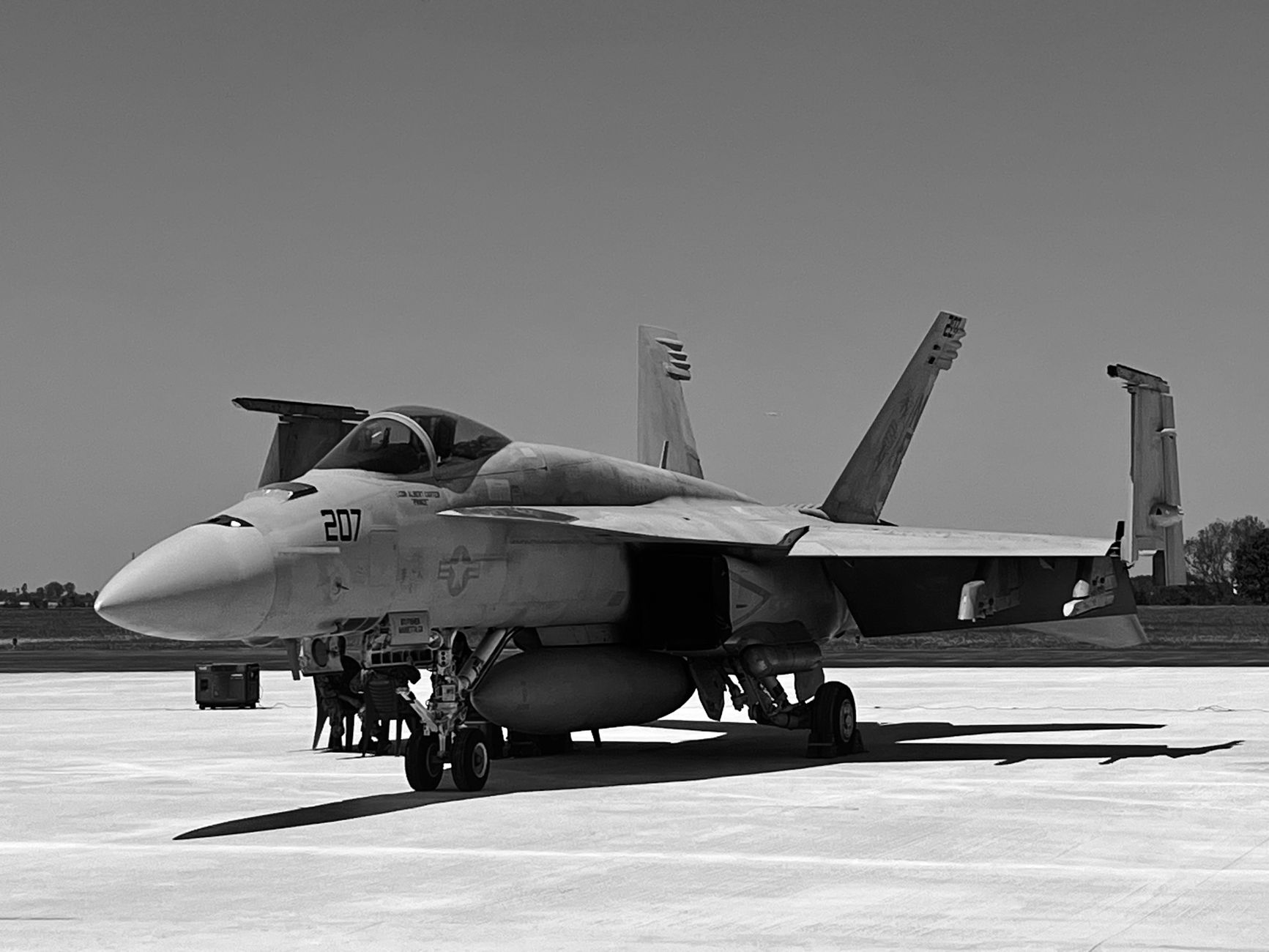
The fragile interim ceasefire between the United States and Iran collapsed overnight as President Trump formally declared the agreement "over" following a new round of US strikes on over 80 Iranian targets. The escalation has triggered Iranian attacks across the region, targeting US military sites in Bahrain and Kuwait, prompting Trump to threaten further strikes on Iranian power plants and bridges if negotiations stall.
This diplomatic rupture has ignited a fierce domestic political battle, with the US House of Representatives passing a resolution by a vote of 215–208 to limit Trump's war powers and end hostilities in the Iran War. The bill saw a significant bipartisan break, with four Republican lawmakers joining all Democrats to challenge the President's unilateral military authority, signaling a deepening rift within the GOP.
Trump's response has been defiant, suggesting that while a ground campaign might eventually be necessary, third parties could conduct the fighting for the US, raising concerns about the potential for proxy warfare expansion. The administration's formal notification to Congress that hostilities have renewed confirms the end of the three-week deal signed just prior to the current crisis.
Legal experts warn that the breakdown of the ceasefire could trigger a constitutional standoff over the President's ability to wage war without explicit Congressional authorization, a tension already visible in the House resolution. As the US considers targeting critical Iranian infrastructure, the international community faces the prospect of a widening regional conflict with no clear off-ramp.