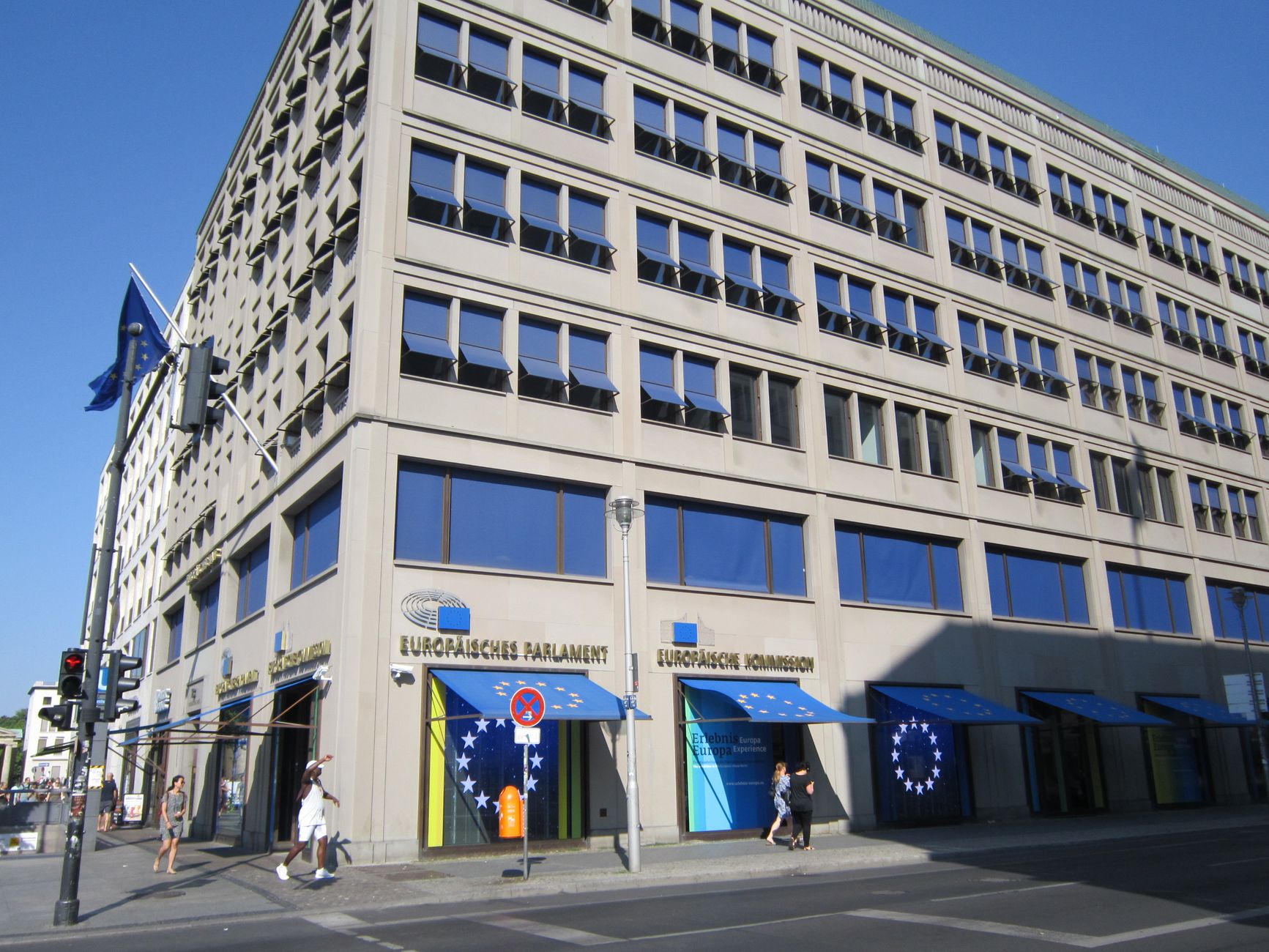
The European Parliament's ECON Committee is movng forward with decisive actions on the digital frontier, with MEPs declaring their readiness to启动 formal negotiations on the digital euro, a pivotal step in the EU's quest for monetary sovereignty[2]. This development underscores the bloc's commitment to creating a digital currency that complements physical cash, offering a secure and efficient alternative for citizens and businesses across the continent[2].
Simultaneously, MEPs have adopted proposals supporting an innovation-friendly, yet well-monitored environment for digital assets, reflecting a nuanced approach to regulating the burgeoning crypto sector[2]. The committee's stance aims to balance the need for investor protection and market stability with the imperative to foster technological innovation, ensuring that the EU remains a competitive player in the global digital economy[2].
The push for a digital euro and a regulated digital asset framework comes amid a broader European effort to enhance economic autonomy and reduce reliance on external financial systems. As leaders like German Chancellor Friedrich Merz and French President Emmanuel Macron advocate for increased production of semiconductors and domestic energy resources, the digital euro serves as a critical component of this strategy, reinforcing the EU's financial independence[3].
These legislative moves are part of a comprehensive strategy to integrate digital technologies into the EU's economic fabric, with the digital euro and crypto regulations serving as key pillars of the savings and investments union (SIU) strategy[2]. By advancing these initiatives, the EU aims to create a robust, secure, and innovative financial ecosystem that can withstand the challenges of a rapidly changing global economy[2].


