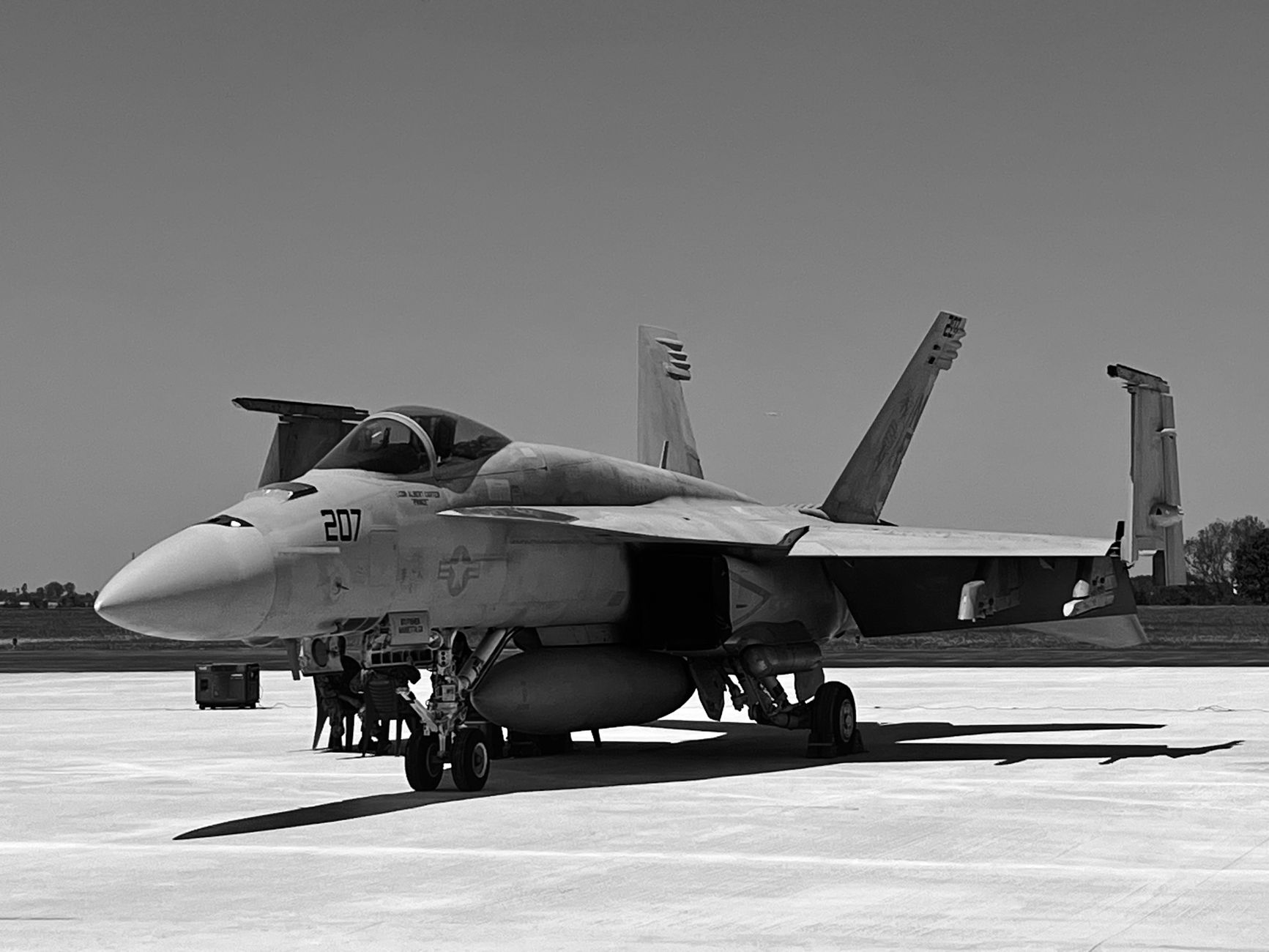
The United States has deepened its military campaign against Iran, launching a new wave of direct strikes as the two powers enter the sixth day of active conflict. Pentagon officials confirm that the escalation targets critical Iranian infrastructure linked to regional aggression and nuclear proliferation efforts. The operation underscores a dramatic shift from diplomatic pressure to overt military confrontation in the Middle East.
Congressional leaders remain divided on the scope of the engagement, with some demanding immediate authorization for prolonged combat while others call for a rapid de-escalation to avoid a broader regional war. The White House insists the strikes are limited and precise, aimed at neutralizing immediate threats to U.S. forces and allies in the region.
Iran has responded with condemnation, accusing Washington of violating international law and threatening retaliatory measures through its proxy networks across the Middle East. Intelligence agencies warn that the risk of spillover into neighboring countries is rising sharply, potentially destabilizing oil markets and global supply chains.
Diplomatic channels remain frozen as both sides reject third-party mediation efforts. The international community faces growing pressure to prevent the conflict from spiraling into a full-scale war that could involve additional global powers.