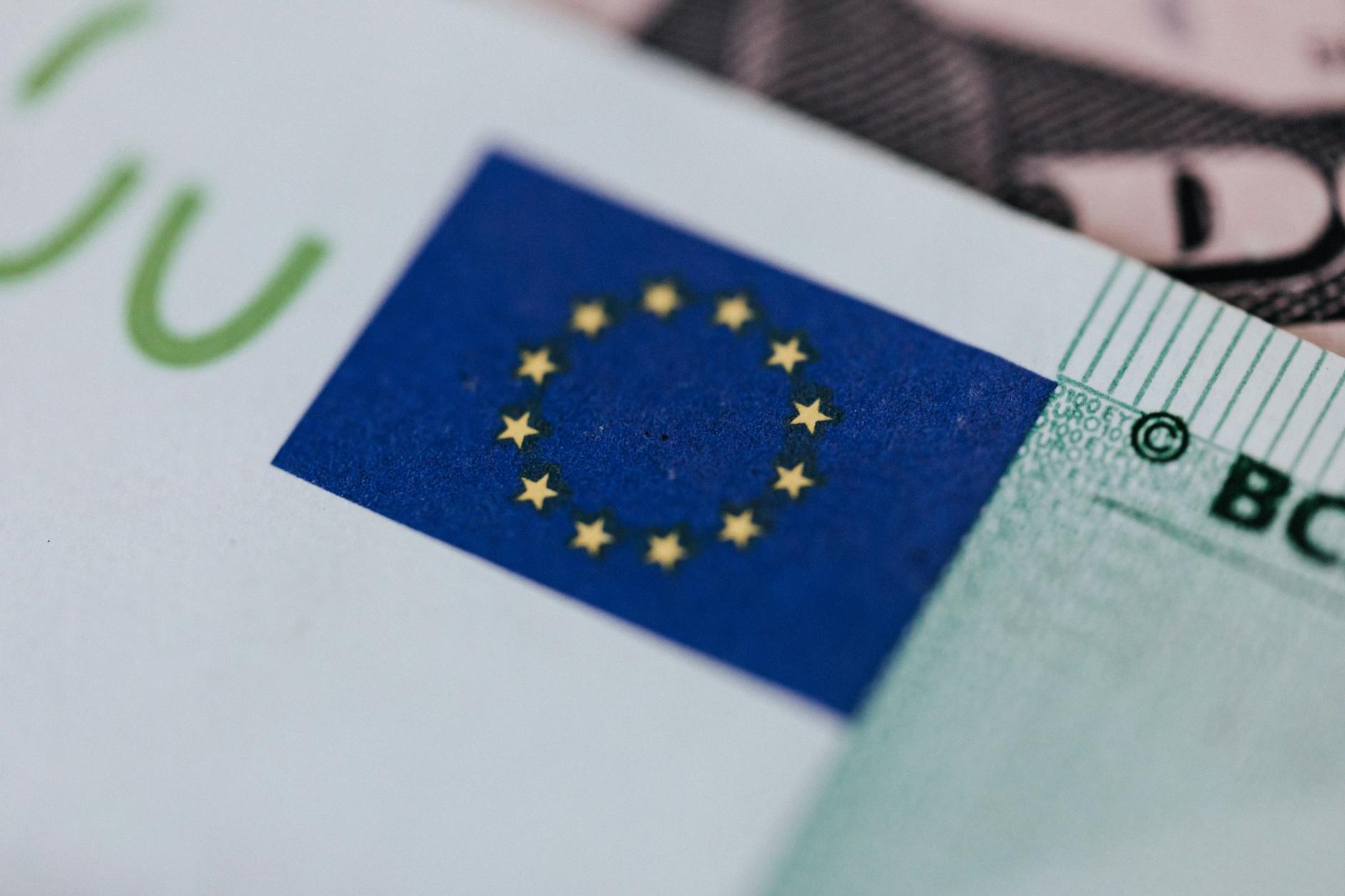
The European Parliament's ECON Committee has confirmed that MEPs are ready to start negotiations on the digital euro, a landmark step for the bloc's monetary future [2]. This development comes as the Committee holds critical hearings with key financial figures, including Bruna Szego of the Authority for Anti Money Laundering and Claudia Buch of the ECB, to address the evolving landscape of economic and monetary affairs [2]. The digital euro is expected to play a pivotal role in Europe's digital transformation and financial sovereignty.
Beyond the digital euro, ten issues are set to define Europe in 2026, creating a complex agenda for EU institutions. These include Ukraine’s integration into the EU, growing defense capability gaps, shifting EU-China relations, and the rapid rise of artificial intelligence [5]. The debate captures the political, economic, and geopolitical crossroads facing the Union, forcing leaders to make critical choices that will shape the continent's future [5].
Climate and ocean protection remain central to the 2026 agenda, with the EU committed to addressing environmental challenges amidst low-growth economic pressures [5]. The battle over Europe’s long-term budget is intensifying as resources must be allocated to both these environmental goals and the growing defense needs. Fiscal pressure in a low-growth environment is considered a dangerous threat that could make or break the EU in 2026 [4].
Irregular migration continues to be a contentious topic, requiring coordinated responses from EU member states and institutions. The ECON Committee's recent travel to Washington D.C. highlights the international dimension of these issues and the need for global cooperation [2]. As the rules-based international order comes under pressure, Europe must navigate these challenges to maintain its democratic values and prosperity [5].
The convergence of these ten issues underscores the multifaceted challenges facing Europe in 2026. From the digital euro to climate protection and AI, the EU is undergoing a transformative period that will define its role in the global order. The outcome of these negotiations and policy decisions will determine whether Europe can successfully address its internal and external challenges or face further fragmentation [5].


