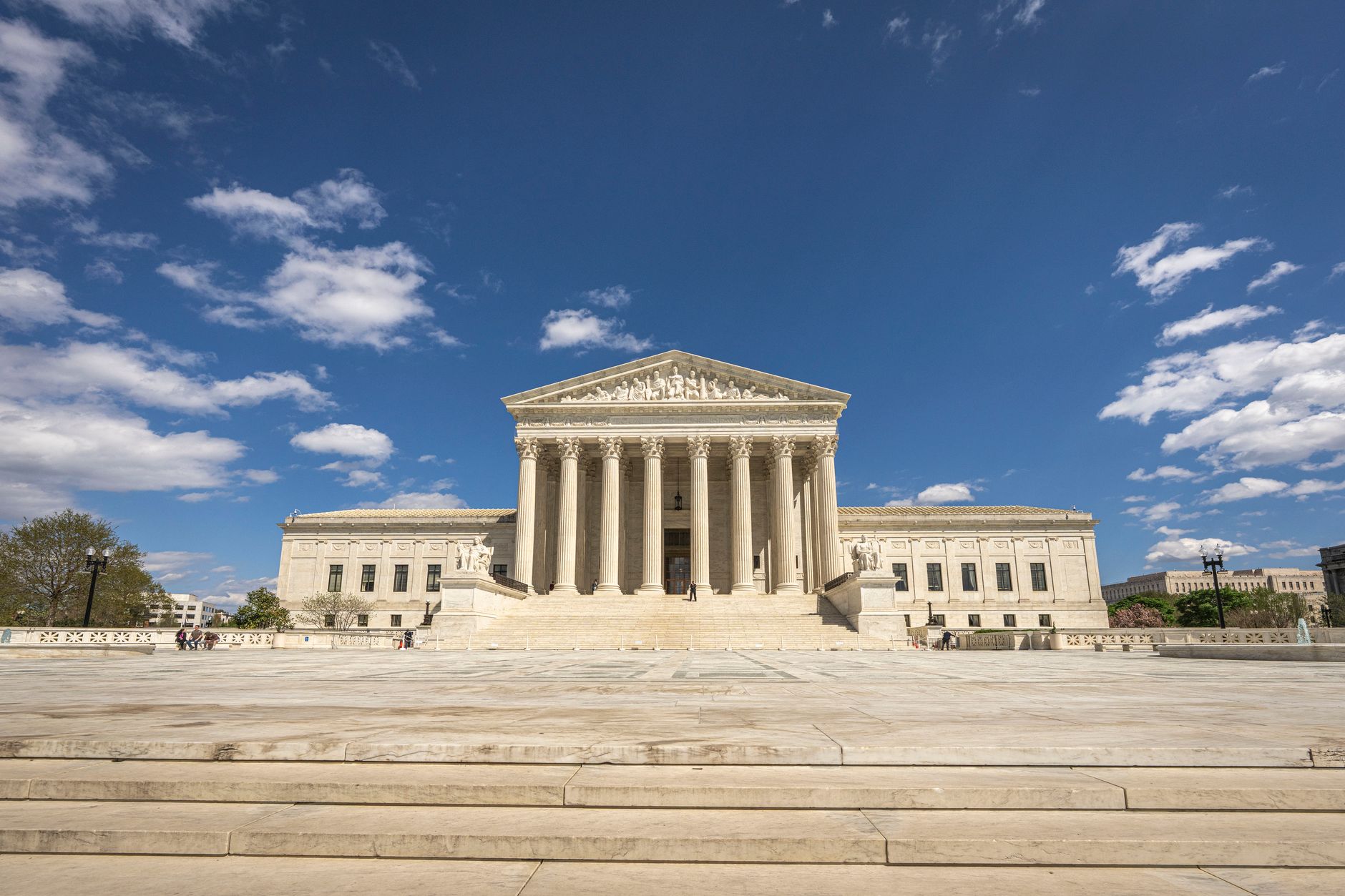
In a landmark 6-3 decision, the U.S. Supreme Court rejected President Donald Trump’s attempt to abolish birthright citizenship, ruling that the right is firmly enshrined in the 14th Amendment[2]. The court’s majority opinion emphasized that constitutional citizenship cannot be stripped by executive decree, delivering a rare but significant judicial check on the Trump administration’s immigration agenda.
The ruling comes just days after Trump formally informed Congress that the U.S. has renewed hostilities against Iran, declaring the earlier Memorandum of Understanding a "test" the regime failed to honor[7]. The administration cited Iranian noncompliance as justification for launching new strikes, with the U.S. Navy reinstating a blockade and the military executing a fresh round of attacks[8].
Congressional reaction has been fiercely divided. The House passed a resolution limiting Trump’s war powers with four Republicans joining all Democrats, but the measure failed to stop the president’s move[7]. Critics warn the administration is bypassing constitutional war-making requirements, while supporters argue the regime’s actions demand immediate force.
Meanwhile, immigration enforcement has intensified nationwide, with ICE arresting more than 10,000 immigrants in the last five days alone[1]. The surge in detentions underscores the administration’s aggressive stance despite the court’s rebuke on citizenship policy.
The combination of a Supreme Court standoff and renewed foreign conflict has reignited debates over executive power, constitutional rights, and the limits of presidential authority in times of war.