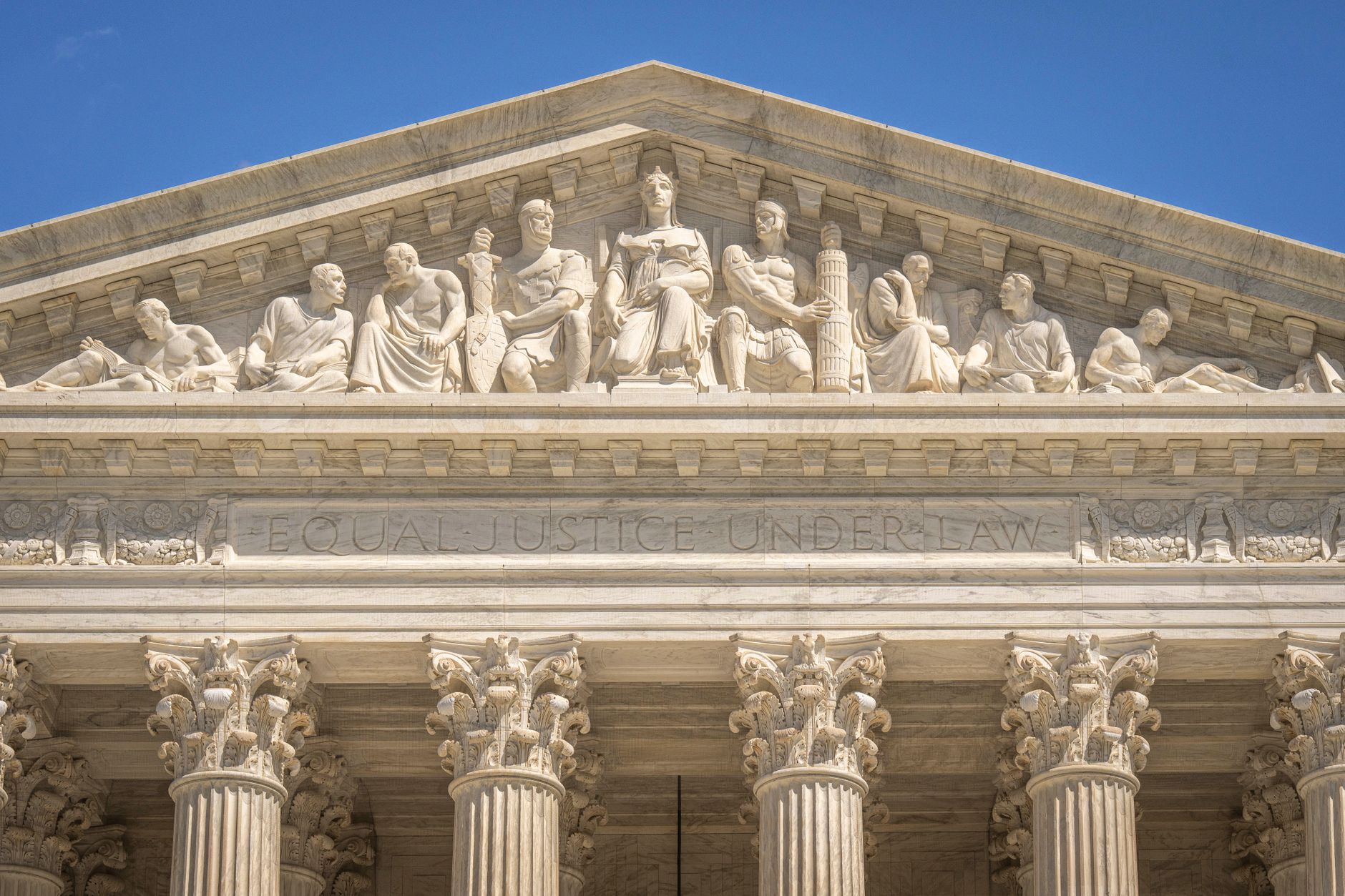
The Supreme Court has struck down a federal law limiting the amount of money political parties can spend in coordination with federal candidates, a major campaign finance ruling that unleashes unlimited spending[2]. The decision, rooted in a 6-3 majority, allows national and state party committees to spend without caps in direct coordination with candidates, fundamentally reshaping the 2026 election landscape[6].
Legal experts warn the ruling could amplify the influence of wealthy donors and party infrastructure, potentially drowning out independent candidates. Critics argue it undermines decades of efforts to curb corruption and ensure fair competition.
In a separate but equally consequential development, Florida Attorney General James Uthmeier filed the first state lawsuit against OpenAI, accusing ChatGPT of security lapses that promoted violent conduct[7]. The lawsuit alleges the AI model failed to prevent harmful outputs, marking a new front in the legal battle over artificial intelligence regulation.
OpenAI recently released GPT-5.6, a large language model with significant cybersecurity advancements, but the Florida suit highlights growing concerns about AI safety and accountability[8]. The case could set a precedent for future state-level actions against tech giants.
As campaign money floods the system and AI regulation intensifies, the U.S. faces a dual challenge: managing the financialization of elections while curbing the risks of unregulated artificial intelligence.