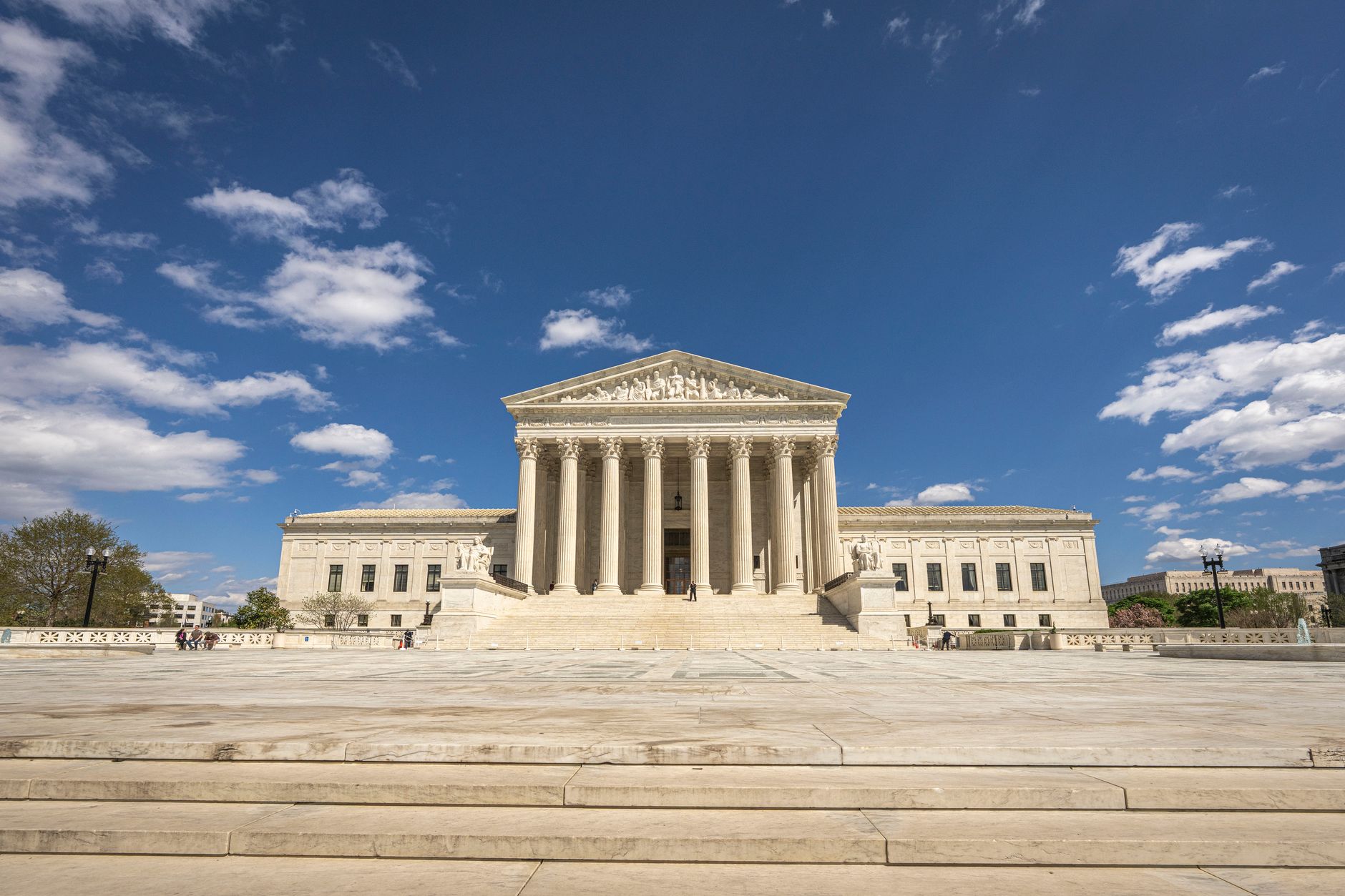
In a landmark 6-3 ruling, the U.S. Supreme Court rejected President Donald Trump’s attempt to abolish birthright citizenship, reaffording the right enshrined in the 14th Amendment [2]. The court's conservative majority wrote that Trump’s executive order, which declared children born in the U.S. to undocumented parents would not be citizens, violated constitutional protections [2]. This decision comes just weeks after the administration, with the Supreme Court’s OK, closed the southern border entirely to asylum seekers and dismantled the legal entry appointment program [1].
The border closure has triggered a humanitarian and legal crisis, with federal courts in Denver now the fourth to reject the administration’s policy of indefinitely imprisoning immigrants without bond hearings [2]. Judges have criticized the mass detention approach, noting that most detained individuals have no criminal records [2]. The contradiction between the court restoring birthright citizenship and the administration cutting off legal asylum pathways has created a fractured immigration landscape that critics call a "policy of exclusion despite constitutional inclusion."
Trump’s immigration agenda has drawn sharp opposition from civil rights groups and Democratic lawmakers, who argue the border shutdown effectively criminalizes the pursuit of safety for thousands fleeing violence [1]. Meanwhile, Republican supporters frame the move as a necessary assertion of national sovereignty and border security [1]. The Supreme Court’s dual actions—one protecting constitutional rights, the other enabling aggressive border enforcement—signal a judiciary deeply divided on the role of executive power in immigration policy.
As the semiquincentennial celebrations of America’s 250th anniversary rolled across the nation in early July, the administration’s hardline immigration stance underscored the deepening political tensions over identity and sovereignty [5]. The ruling on birthright citizenship is expected to fuel further legal battles and congressional debates over immigration reform in the coming months, with midterm elections looming under the shadow of affordability and migration crises [3].