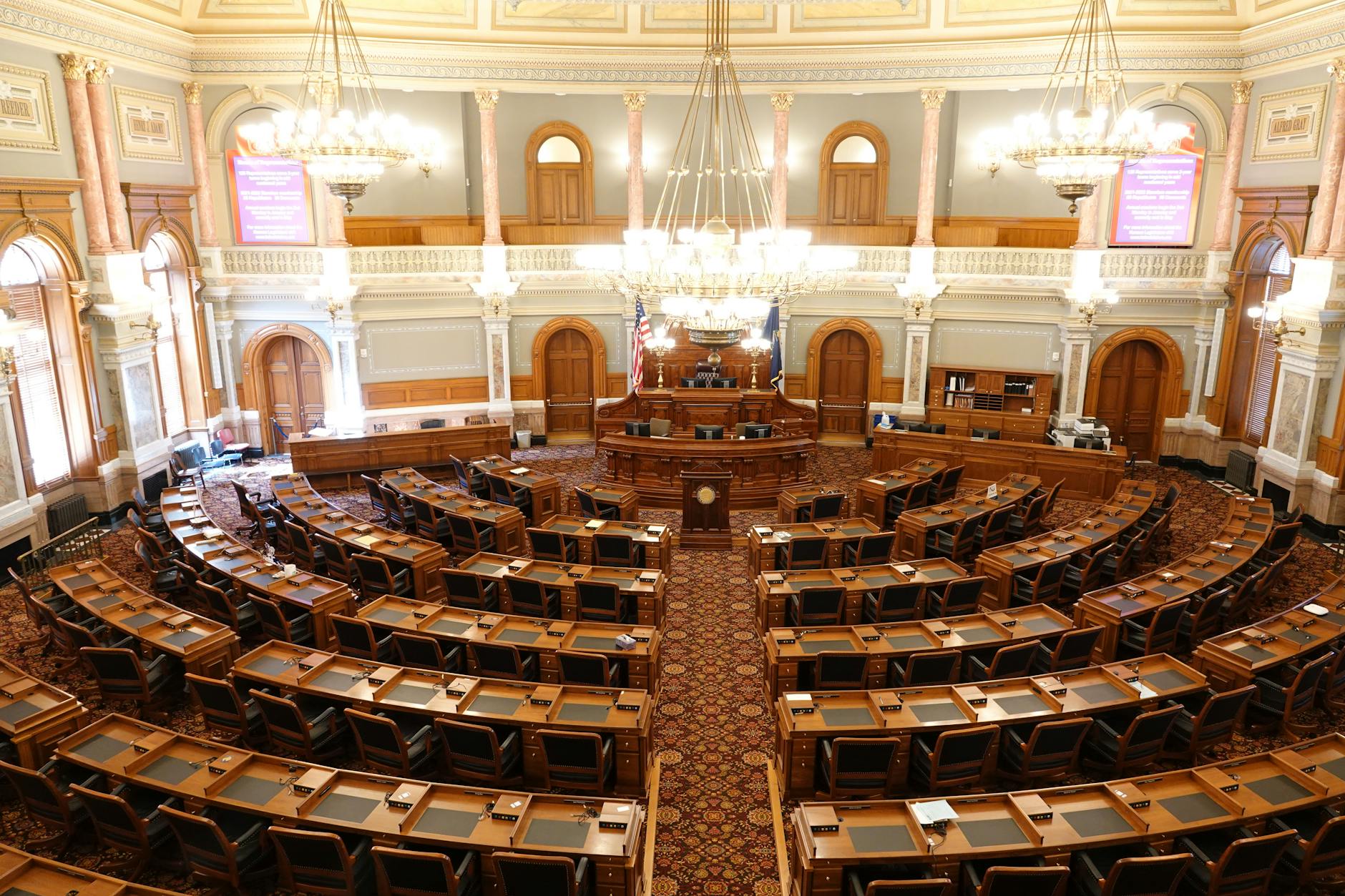
The U.S. House of Representatives Tuesday rejected a war powers resolution seeking to curb President Trump’s military authority in Israel’s war on Lebanon, with 22 Democrats joining most Republicans in the 189–235 vote [2]. The resolution, which aimed to limit Trump’s ability to involve U.S. forces abroad without congressional approval, failed despite bipartisan calls for restraint in the region [2].
Days later, Trump formally informed Congress that the U.S. has renewed hostilities against Iran, declaring the regime had failed to honor a prior Memorandum of Understanding (MoU) [6]. The president announced that the U.S. would "hit Iran hard" on that day and the next, signaling a dramatic escalation in a conflict that had previously been frozen under diplomatic negotiations [6]. The move has drawn criticism from lawmakers who argue the president bypassed congressional authority to initiate armed conflict.
The rejection of the war powers resolution and the sudden Iran offensive underscore growing concerns about executive overreach in military decisions. Four Republicans—Tom Barrett, Warren Davidson, Brian Fitzpatrick, and Thomas Massie—joined all Democrats in supporting the war powers limit, but the majority remained aligned with Trump’s assertive stance [6]. Critics warn that the administration’s use of emergency and disaster declarations to bypass Congress has become a "general-purpose mechanism" for unilateral governance [4].
Foreign policy analysts warn that renewed U.S. strikes on Iran could destabilize the broader Middle East, particularly as the administration also pushes to "dismantle" the International Criminal Court, which has investigated U.S. and allied actions in the region [6]. The combination of military escalation and diplomatic isolationism has intensified diplomatic friction with European allies and raised the risk of a broader regional war.