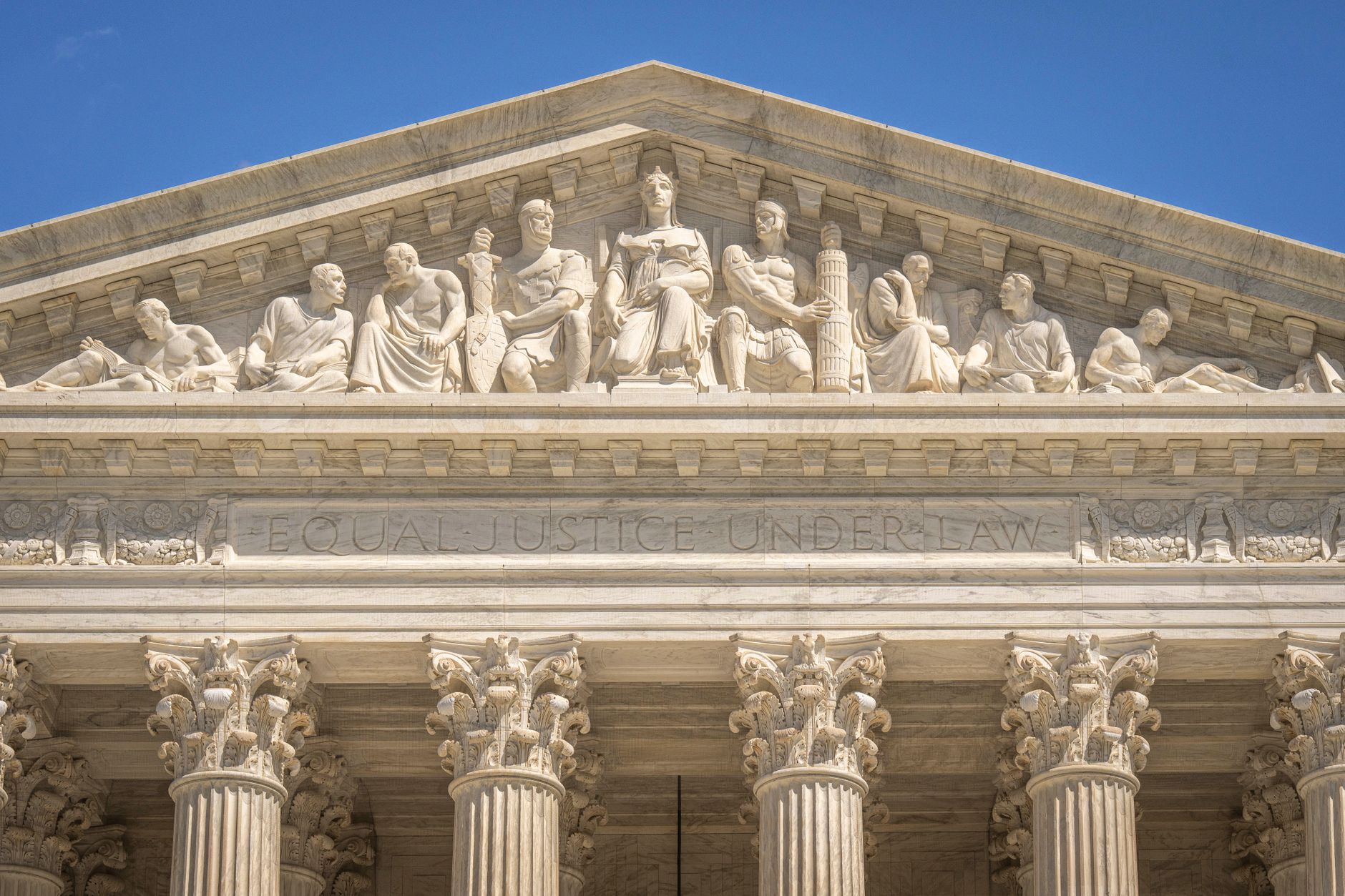
In a major shuffle of federal regulatory power, the U.S. Supreme Court ruled 6–3 in *Trump v. Slaughter* that the president may remove Federal Trade Commission (FTC) commissioners at will, overturning the 1935 precedent from *Humphrey's Executor* [6]. The decision significantly expands presidential removal power over independent regulatory agencies, weakening the FTC’s traditional insulation from political pressure [6].
However, in a separate 5–4 ruling in *Trump v. Cook*, the Court left in place an injunction blocking Trump’s attempt to remove Federal Reserve Board member Lisa D. Cook, affirming that Federal Reserve governors retain for-cause removal protections [6]. This split ruling creates a patchwork of regulatory independence, with the FTC now more vulnerable to executive influence while the Federal Reserve remains shielded [6].
Legal scholars warn that the *Slaughter* decision could undermine the credibility of the FTC, which has played a key role in antitrust enforcement and consumer protection [6]. The removal of for-cause protections could allow future presidents to install commissioners who align with their policy agendas, potentially diluting the agency’s impartiality [6].
The divergence between the two rulings reflects the Court’s evolving stance on executive power and regulatory independence. While the Court has recently expanded presidential authority in areas like immigration and war powers, it has also shown reluctance to fully dismantle all checks on executive overreach, as seen in the *Cook* ruling [6]. The outcome has heightened uncertainty for businesses and regulators, with many expecting increased volatility in enforcement and policy direction as the Trump administration seeks to reshape the federal regulatory landscape.