The End of the Algorithmic Smile
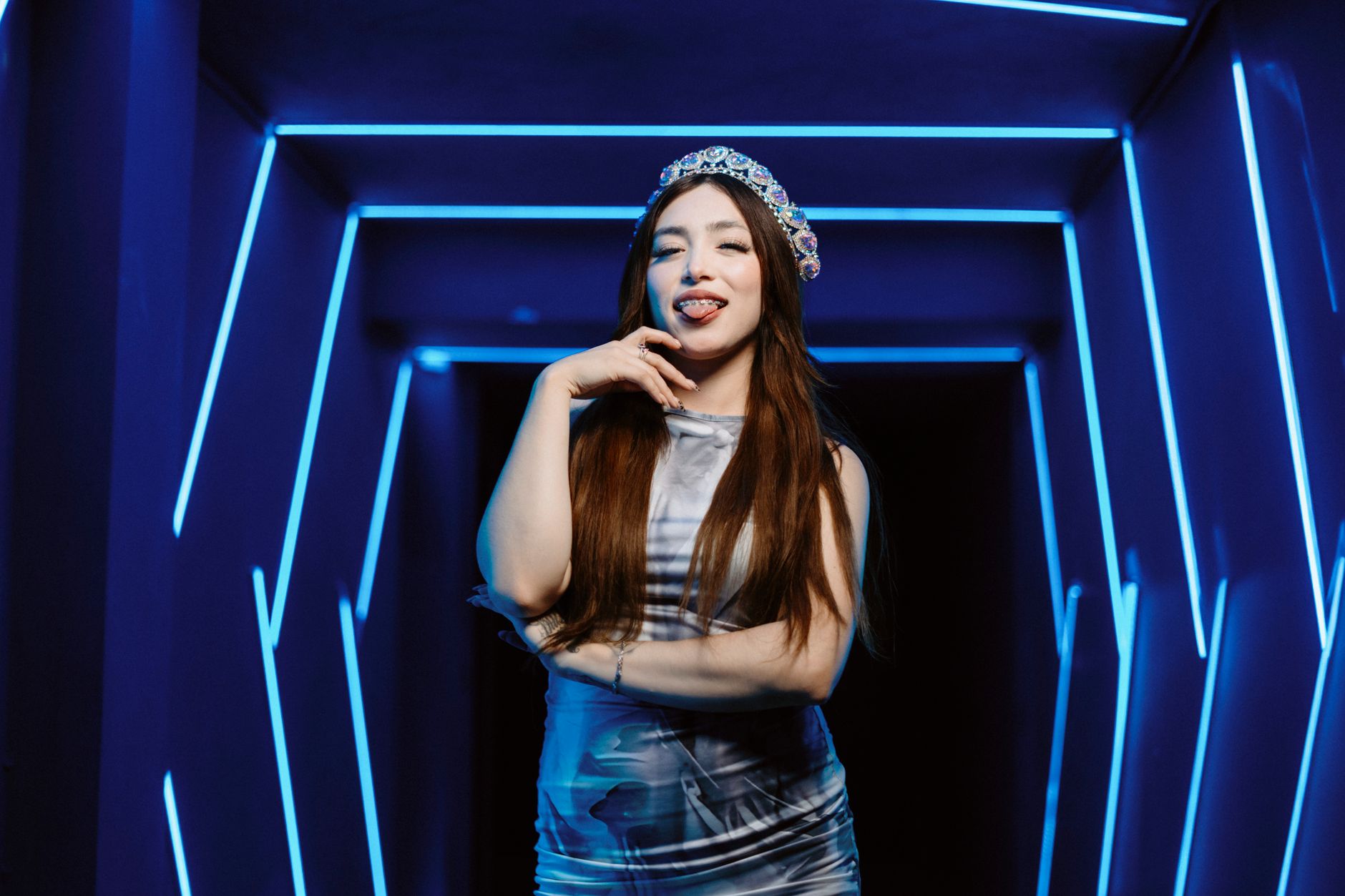
In the neon-soaked, hyper-stylized wilderness of the early 2020s, pop culture was defined by a relentless pursuit of perfection. Influencers curated lives that felt less like human existence and more like high-definition advertisements. By mid-2026, that spell has been shattered. The defining mood of the year is not excitement, but a profound, collective exhaustion that has birthed a new cultural religion: the romanticization of disappearance. Hustle culture, once the engine of the digital economy, has lost its grip, replaced by a suspicion of productivity and an aspirational silence that echoes through every major platform. Audiences are no longer seeking the next viral moment; they are seeking an exit.
This shift is not merely a reaction to burnout; it is a fundamental restructuring of how we consume and create. The tone of 2026 is darker, more unsettling, and emotionally complex, a stark departure from the performative confidence that dominated the previous decade. Sexuality has become louder visually but emptier emotionally, characterized by explicit imagery and thirst traps that substitute genuine intimacy for aesthetic validation. Aesthetic identity has replaced authentic identity, with people curating themselves more than ever while simultaneously starving for the unfiltered. This paradox defines the era: we are more visible than ever, yet we feel more invisible, trading intimacy for screens and bonding with digital personas that offer comfort without the risk of human vulnerability.
The Return of the Human Touch
As the algorithmic smile fades, the return of the human touch emerges as the year's most potent counter-revolution. The end of AI perfection is the first major trend of 2026. Imperfections are no longer liabilities; they are the new currency of trust. Viewers and listeners are increasingly rejecting AI-generated content and autotuned vocals, demanding quality and the raw texture of a human voice that has cracked under pressure. This is the year of the comeback of the pop star, but not the plastic idol of the TikTok age. It is the return of artists who present themselves cohesively, wearing suits and channeling the 60s and 70s style of the Beatles, signaling a desire for dignity over gimmickry. Bands are presenting themselves in a way that transcends genre labels, seeking a sense of timelessness that AI can never replicate.
Music in 2026 is a cross-genre swamp where the boundaries dissolve, and nostalgia fuels creativity rather than limiting it. The rise of indie artists like Geese, Wet Leg, and Lola Young reflects a hunger for authenticity, while the return of Hilly Duff with a new album throws the industry into a frenzy of retrospective fever. The music scene is moving away from the filler and the polished, embracing a less maintenance-heavy approach to self-presentation. This is the year of "the less is more" philosophy, where skincare routines are simplified and fashion prioritizes comfort and expression over maximalist details. The return of stripes, cardigans, and red lipstick signals a nostalgia that goes backwards in time, embracing the "grandma core" and "Appalachian core" aesthetics that celebrate the slow, the simple, and the deeply human.
Sports as the New Lifestyle
If music and fashion are retreating into the past, sports are surging into the future as the primary lifestyle identity of 2026. The FIFA World Cup has done more than just crown a champion; it has pushed soccer style into the mainstream, transforming jerseys, track jackets, and retro sneakers into the uniform of the global citizen. The "blokecore" look is no longer just for fans in the stadium; it is a fashion statement that signals a desire for community, camarader, and a shared emotional experience. This is sports as lifestyle, fashion, and identity, a trend that has overtaken traditional celebrity culture. The World Cup has helped push a sporty-chic aesthetic that is far beyond the actual game, embedding itself in the daily lives of millions.
This shift is part of a broader move toward internet fatigue and the comeback of third spaces. As screens replace intimacy, people are seeking physical spaces where they can connect without the mediation of an algorithm. The rise of indie animation in television and the continued popularity of Gen Z going out to experience art rather than drink reflects this desire for meaningful participation. The biggest lesson from current pop culture is that audiences want participation, not passive consumption. They want to be part of the story, to feel the texture of the moment, and to engage with the world in a way that feels real and unfiltered.
The Darker Edge of Celebrity
While the masses are retreating into the quiet, the celebrity world is racing into a darker, more unsettling territory. The tone of 2026 is characterized by a sense of emotional complexity that mirrors the collective exhaustion of the public. Sexuality is louder visually but emptier emotionally, a trend that has redefined the celebrity landscape. Performative confidence is the new norm, but it is a confidence that is hollow, built on thirst traps and explicit imagery rather than genuine connection. This is the era of the parasocial relationship, where screens replace intimacy more openly, and people bond with digital personas that offer comfort without the risk of human vulnerability.
Celebrity controversies in 2026 are less about scandal and more about the unraveling of the perfect image. The return of K-pop giants like BTS, who are back with a new album and their most extensive world tour yet, highlights the tension between the global machine and the human cost. Blackpink's new single and NewJeans' pending comeback, contingent on the resolution of their legal battle, underscore the fragility of the industry. The emotional documentary "The Voice of Hind Rajab" and Kristen Stewart's directorial debut "The Chronology of Water" reflect a shift toward more serious, emotionally complex storytelling that resonates with a public weary of the superficial. The celebrity world is mirroring the public's exhaustion, romanticizing softness, solitude, slowness, and emotional withdrawal.
The Streaming Wars: A War for Attention, Not Just Content
The streaming wars in 2026 have evolved into a war for attention, not just content. As audiences gravitate toward unfiltered stories and behind-the-scenes moments, the platforms are forced to pivot from polished perfection to raw authenticity. TikTok's 2026 trend report confirms this shift, with audiences seeking real people, real processes, and less painfully curated perfection. The streaming landscape is now a layered, fast-moving, and deeply participatory ecosystem where music crosses genres, fashion prioritizes comfort, and subcultures thrive alongside global trends. The rise of sports as a lifestyle has also impacted streaming, with platforms racing to capture the World Cup audience and the blokecore demographic.
AI is becoming unavoidable but controversial, a double-edged sword that offers convenience at the cost of authenticity. The end of AI perfection is a trend that is reshaping the industry, with viewers and listeners demanding quality over quantity. The streaming wars are no longer about who has the most content; they are about who can offer the most human, the most real, and the most authentic experience. This is the year of the comeback of the third space, where people can connect without the mediation of an algorithm, and the streaming platforms are forced to adapt to this new reality.
The Future of the Unraveling
As we look toward the end of 2026, the unraveling of the perfect image is clear. The year is a testament to the power of the human touch, the return of the pop star, and the rise of sports as a lifestyle. It is a year of collective exhaustion, a year of romanticized disappearance, and a year of the dark, unsettling, and emotionally complex. The future of pop culture is not in the algorithmic smile, but in the raw, unfiltered, and deeply human experience. The era of the perfect image is ending, and the era of the real is beginning.
In 2026, aesthetic identity replaces authentic identity. People curate themselves more than ever, yet screens replace intimacy more openly. This isn't sci-fi anymore. It's reality.
The great unraveling of 2026 is not a collapse; it is a liberation. It is the moment when pop culture stopped trying to be perfect and started trying to be human. And in that moment, we found something that the algorithm could never give us: the truth of our own exhaustion, and the beauty of our own disappearance.