The main story of 2026 is the further decay of the liberal order, driven by a crisis of legitimacy within the West and the challenge from rising powers [4]. The world will not fall apart, but its main institutions will be hollowed out, and links between countries will be weaponized [4]. This illiberal wave is clearly not just a phase, signaling a permanent shift in the global political landscape.
The far right is making further inroads across Europe, challenging the traditional political consensus and reshaping the continent's governance [4]. This trend is fueled by a crisis of legitimacy, with citizens increasingly skeptical of established institutions and the liberal order. The rise of far-right movements is a direct response to the perceived failures of the West to address internal and external challenges.
Sovereign debt problems across the global south are intensifying, but without producing a single systemic crisis, creating a fragmented and unstable global economy [4]. Defaults, restructurings, and rollovers continue in a country-by-country fashion, reflecting the lack of a coordinated global response [4]. This fragmentation is contributing to the rise of populism across many indebted states, further destabilizing the global order.
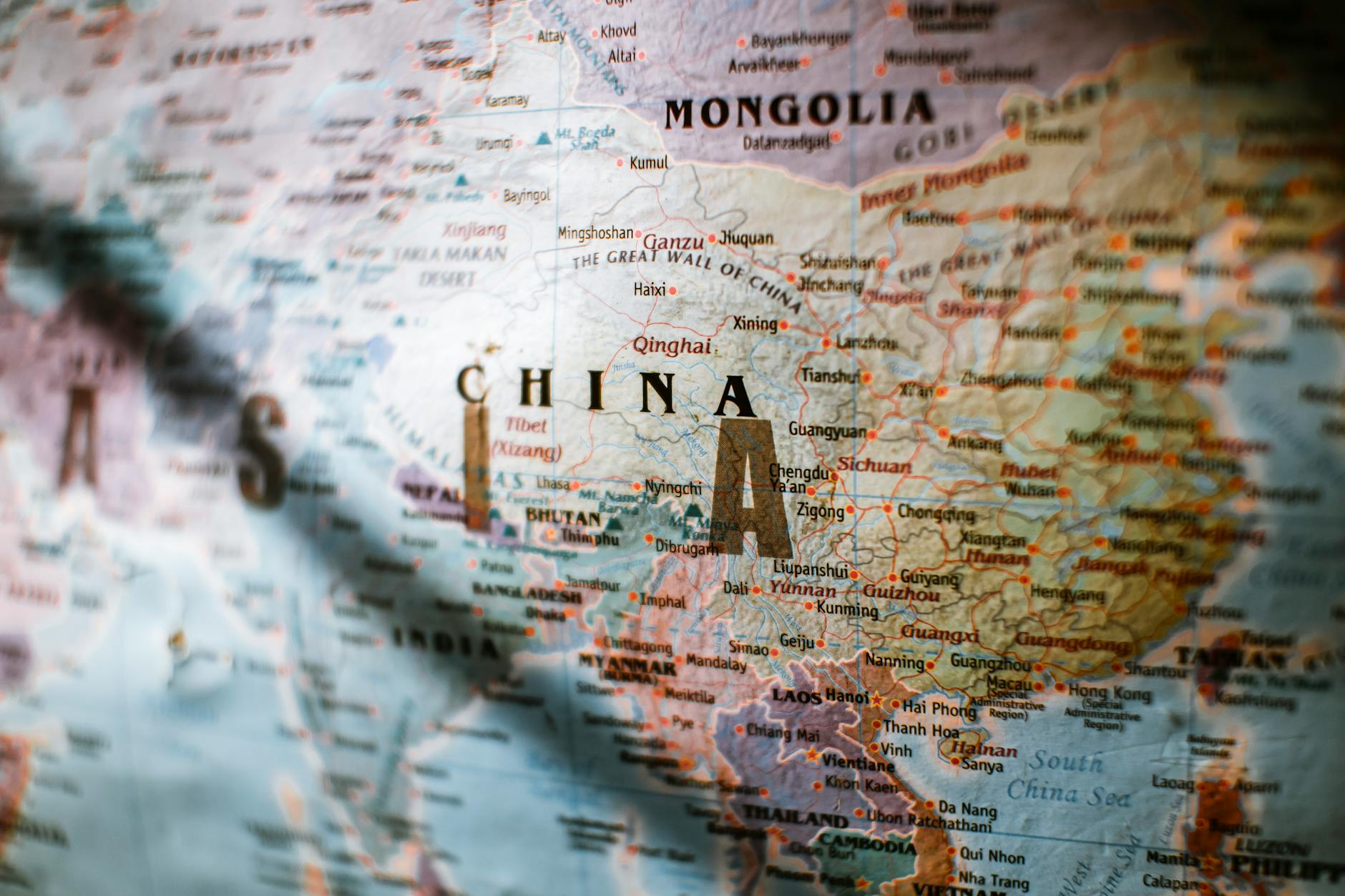
China, focused on worsening internal economic problems, has once more refrained from invading Taiwan, reinforcing a global mood of grim satisfaction [4]. The absence of catastrophe becomes the benchmark for success, lowering expectations for international politics even further [4]. This mood of resignation is spreading across Europe, where leaders are adapting to a world of reduced expectations and increased instability.
The result is a Europe that is more polarized and less confident in the liberal order. The crisis of legitimacy is reshaping the continent's political landscape, with far-right movements gaining influence and traditional institutions losing ground. As the liberal order decays, Europe is forced to navigate a new reality of weaponized links and hollowed-out institutions, challenging its future stability and cohesion.