President Trump is once again placing elections at the center of his political agenda, signaling a broader campaign to reshape how Americans vote and who oversees that process. He has said he intends to focus on election machines, integrity, and voting rules in a nationally watched address, while the White House has framed the message as a push for stricter voter ID requirements.[1] The result is a familiar Trump strategy: make the process itself the story, then force his rivals to defend it on his terms.
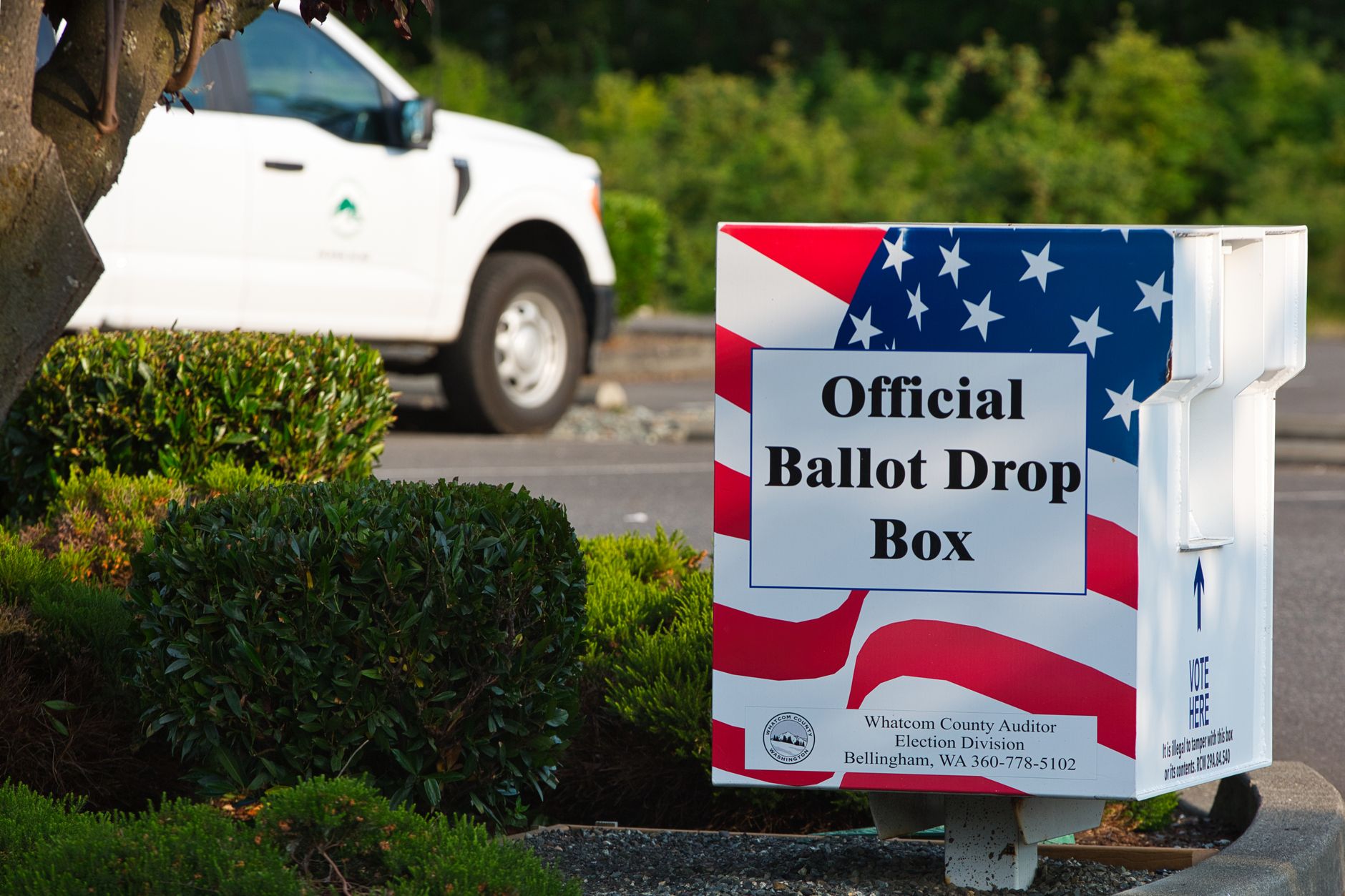
The deeper conflict is not just rhetorical. Trump has already moved to tighten federal control over the 2026 midterm elections through a series of power assertions, including the firing of key leaders at the Election Assistance Commission.[3] He has also pressed states to hand over voter registration data, sought to curb mail voting, and backed federal investigations into Democratic election offices and local officials over past fraud claims.[3] That pattern suggests a White House willing to test how far presidential authority can reach into a system that has traditionally been administered by the states.
Supporters argue that stronger rules are needed to restore public trust. Critics see something else: a campaign to justify future challenges to unfavorable results by keeping suspicion alive before any ballots are counted. Trump’s own history of repeating unproven claims about election fraud ensures that even routine administrative changes now carry a partisan charge.[1] In that environment, every procedural dispute becomes a referendum on legitimacy.
The stakes extend beyond this year’s races. If federal officials gain more leverage over registration, voting methods, or election oversight, the balance of power between Washington and the states could shift in ways that outlast Trump’s term. If they do not, the administration may still have achieved a political goal by making election distrust a central issue for conservative voters heading into November.[3]
That leaves the country with a system under pressure before a single major ballot is cast. The immediate fight is over rules and agencies, but the larger battle is over who gets to define fair elections in America — and whether that definition can survive another season of partisan warfare.[1][3]