What began as another Trump attack on election integrity is turning into a structural fight over who runs American democracy. According to recent reporting, the president has sought to exert unprecedented control over the 2026 midterms, including firing leaders at the Election Assistance Commission and pushing states to share voter data with federal authorities.[3] Each move chips away at the traditional assumption that elections are managed locally, not directed from the White House.
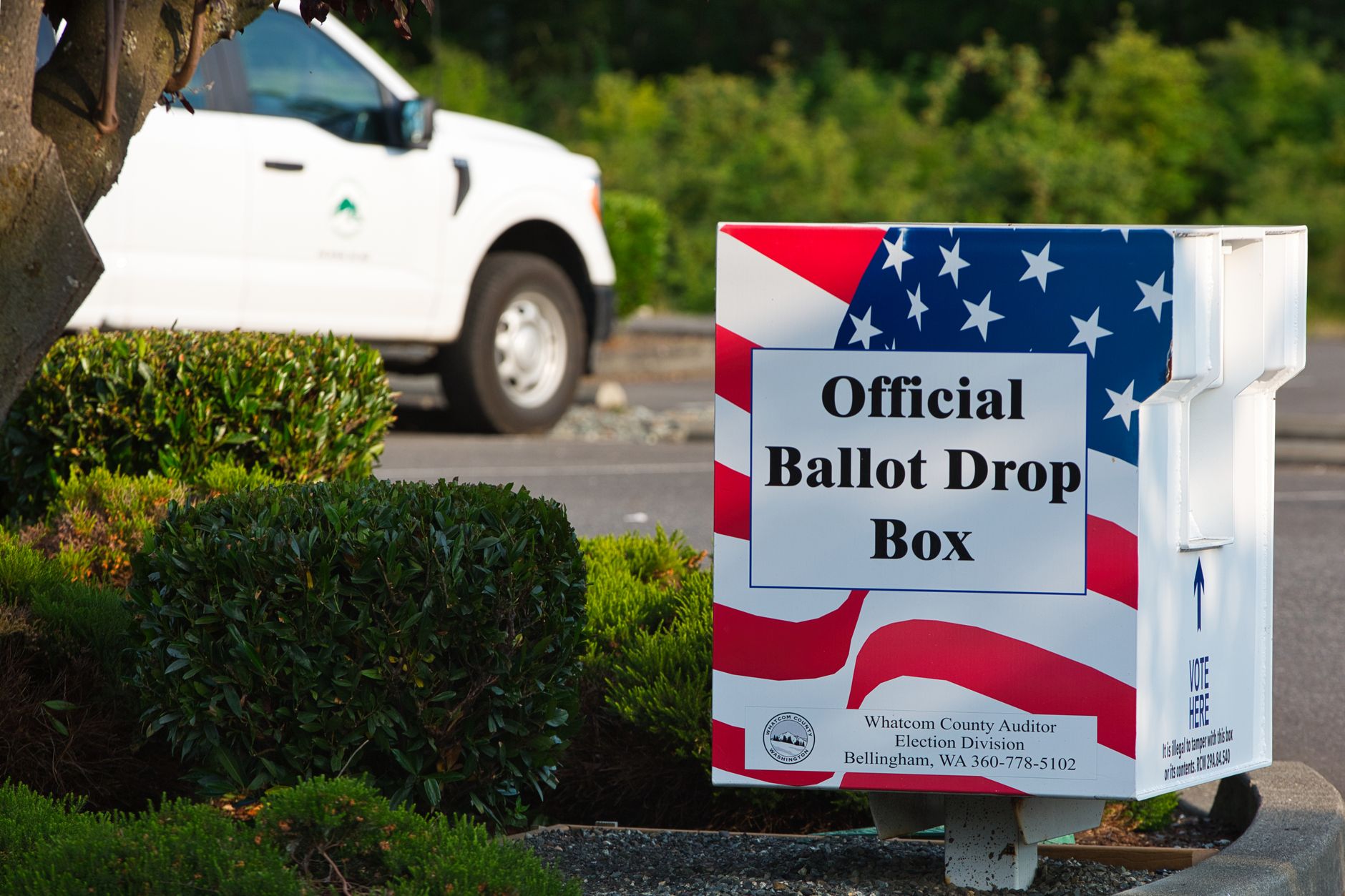
That matters because election administration in the United States depends on dispersed authority. States set many of the rules, counties carry out the logistics, and federal agencies play a limited role. Trump’s approach appears designed to compress that system into a more centralized model, one in which the executive branch can influence rules, investigate opponents, and shape the narrative before voters even cast ballots.[3]
The administration’s logic is clear: central control can be sold as stronger oversight. But its critics see a more dangerous precedent. If federal officials can remove commissioners, pressure states for data, and use investigations as leverage, then the line between oversight and interference becomes much thinner.[3] That is especially sensitive in an election year when trust is already fragile.
Trump’s upcoming national address on elections is expected to revive the same themes, including claims about machines and calls for a strict voter ID bill.[1] That combination — institutional pressure plus public suspicion — is politically potent because it reframes administrative conflict as evidence of a broken system. It also ensures that any resistance from states or local officials can be cast as obstruction rather than constitutional defense.
The deeper story is not whether one side can win a procedural battle. It is whether the country is entering an era in which every election becomes a tug-of-war over the machinery itself. If so, the fight over 2026 will be remembered less for who won seats than for how much power Washington tried to claim along the way.[1][3]