The Asia-Pacific’s trade story is no longer just about tariffs, ports, and supply chains. It is increasingly about who controls the standards, platforms, and institutions that will govern the next wave of economic competition.
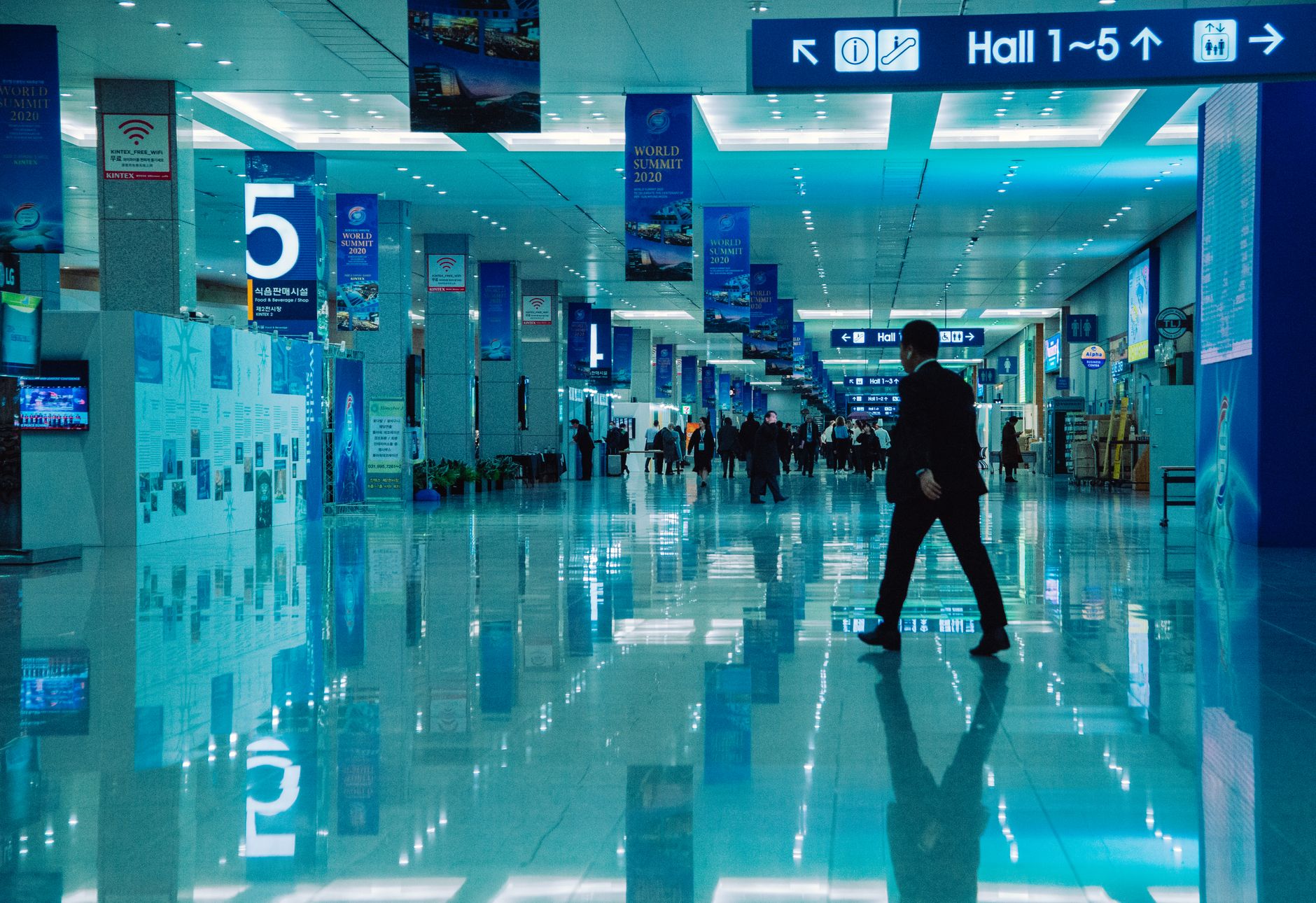
A striking example came on July 16, when representatives of twenty-nine countries signed an agreement in Shanghai establishing the World Artificial Intelligence Cooperation Organization, which China says will be headquartered there.[4] The scale of the gathering matters because it signals Beijing’s ambition to shape the rules of AI governance through a multilateral platform rather than only through domestic policy.
That move sits inside a broader regional struggle over economic statecraft. Governments across Asia-Pacific are trying to protect growth while managing exposure to major-power competition, supply-chain disruption, and technological dependence.[5][6] The region’s business leaders are reading the same signal: resilience is now a strategic asset, not a cost center.
The Asian Development Outlook for July 2026 says external uncertainty is damping activity despite mitigation measures by governments.[5] That suggests the region is not facing a collapse, but a slower, more complicated expansion in which policy choices increasingly carry security implications.
What makes this moment different is the collapse of old boundaries. Trade policy now overlaps with semiconductor controls, data rules, AI standards, and national-security screening. For Asia-Pacific economies, the challenge is to stay integrated enough to grow, but guarded enough to avoid being caught in someone else’s strategic crossfire.[4][5][6]