Europe’s strategic anxiety in 2026 is no longer confined to the eastern border. The sharper warning from Brussels and security analysts is that the continent is exposed to a layered threat environment: hybrid attacks on infrastructure, continuing Russian pressure, a less predictable transatlantic security umbrella, and a possible crisis in the Taiwan Strait that would hit Europe through trade and supply chains.
The most immediate danger is a disruptive strike on critical infrastructure. That means power grids, ports, cables, logistics hubs and digital systems rather than tanks rolling across a frontier. The logic is simple: a well-placed hybrid attack can create economic damage, political confusion and social panic faster than a traditional military move.
Russia remains the persistent hard-power test. Moscow’s war against Ukraine continues to shape European security planning, and EU institutions are still being forced to think in wartime terms even when the battlefield is outside EU territory. That pressure is not only military; it also affects energy policy, sanctions design, industrial policy and the Union’s credibility as a geopolitical actor.
At the same time, Europe cannot assume American protection will look the same in the years ahead. Security experts warn that a weakening of US guarantees would force Europeans to accelerate their own defence planning, spending and coordination. That would deepen old arguments inside the bloc over burden-sharing, procurement and whether the EU can really act strategically without Washington.
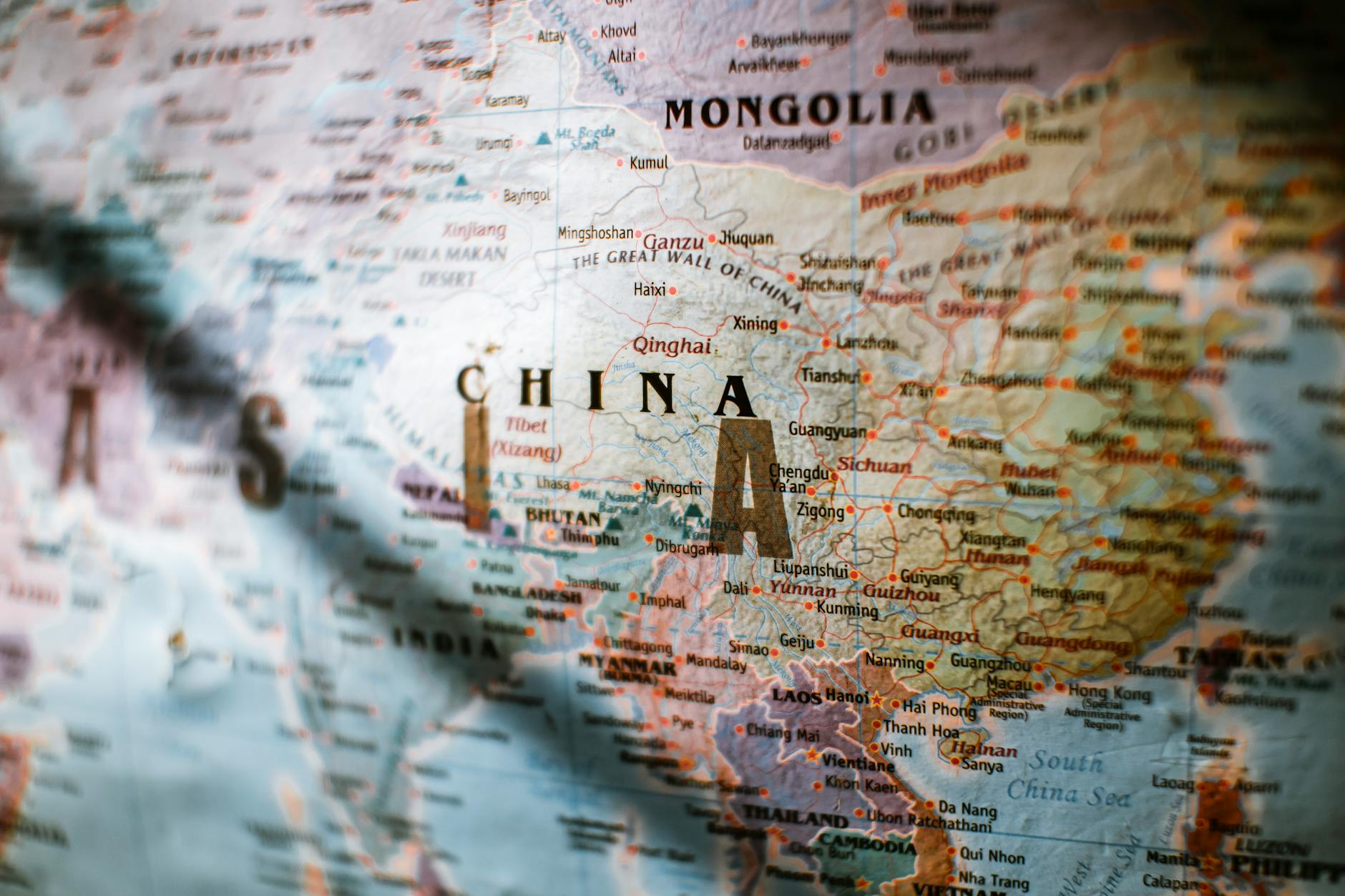
The fourth front is Asia. A military conflict between China and Taiwan would not be a distant regional event for Europe; it would be a supply-chain shock, a trade shock and a diplomatic stress test. The EU has been trying to balance its dependence on global commerce with a more realistic view of geopolitical risk, and 2026 is making that balancing act harder, not easier.