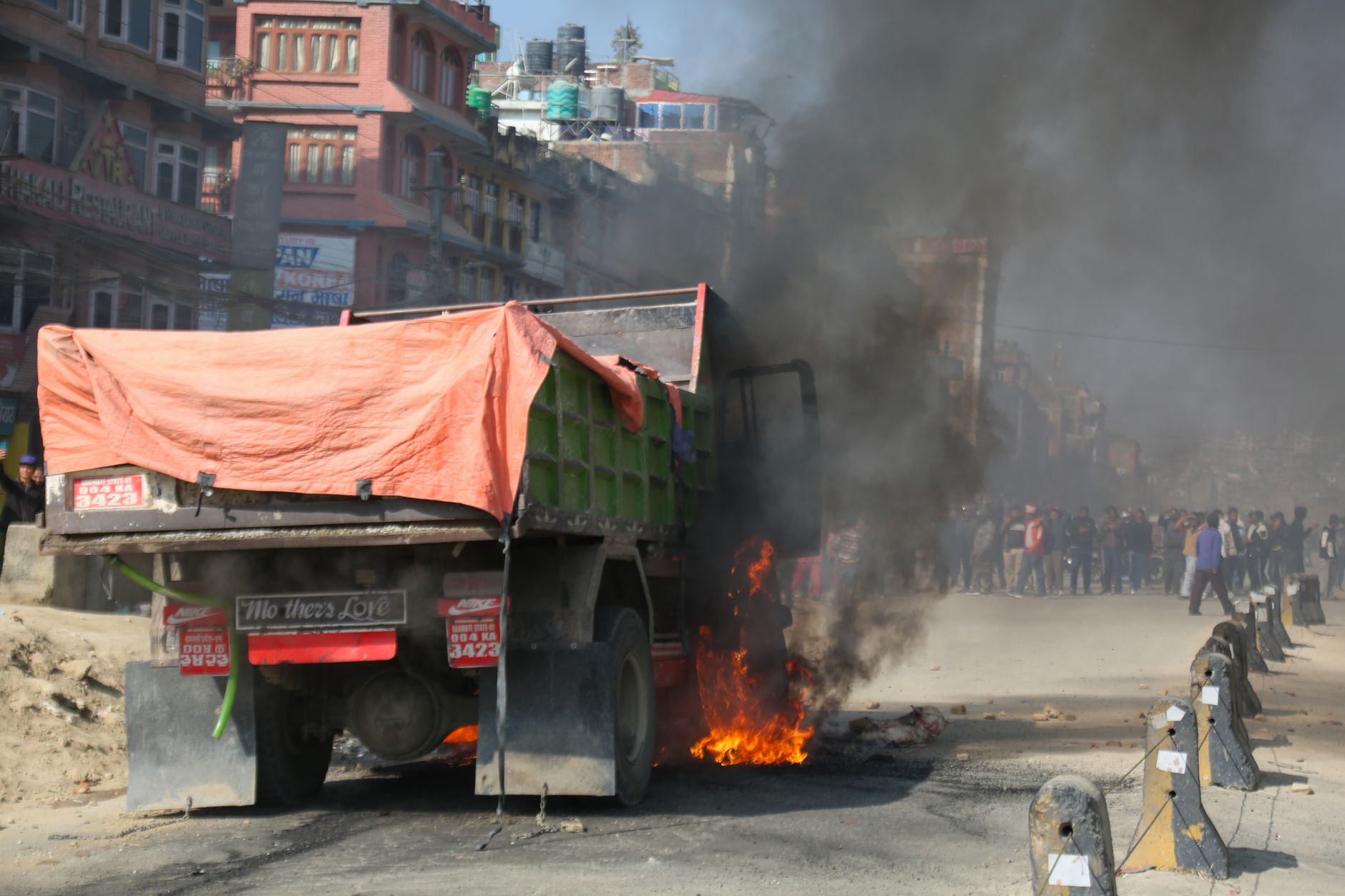
June became one of the deadliest months of domestic unrest in Pakistani-administered Kashmir in years, according to ACLED, as clashes between security forces and civil society activists left dozens dead.[2] The violence was tied to disputes over regional autonomy and the composition of the legislative assembly after the government announced provincial elections in July.[2]
The immediate trigger was political, but the underlying issue is institutional. The standoff with the Jammu Kashmir Joint Awami Action Committee points to a wider failure to translate political participation into a process that local groups view as credible.[2] When election announcements become a spark rather than a release valve, the state’s authority is already under strain.
This matters for the wider Asia-Pacific because internal instability in strategic border regions can quickly bleed into external security calculations. Governments facing domestic unrest tend to become more risk-averse in one area and more coercive in another, creating unpredictable consequences for neighbors and investors alike.[2][5]
The Kashmir unrest also arrives at a time when regional security planning is already being pulled toward military alignment and deterrence. That makes local crises more dangerous, not less, because fewer capitals have spare attention for mediation when broader strategic competition is intensifying.[5]
If the political dispute is not managed quickly, the risk is that Kashmir becomes another example of how unresolved governance questions can become security problems with regional consequences.[2]