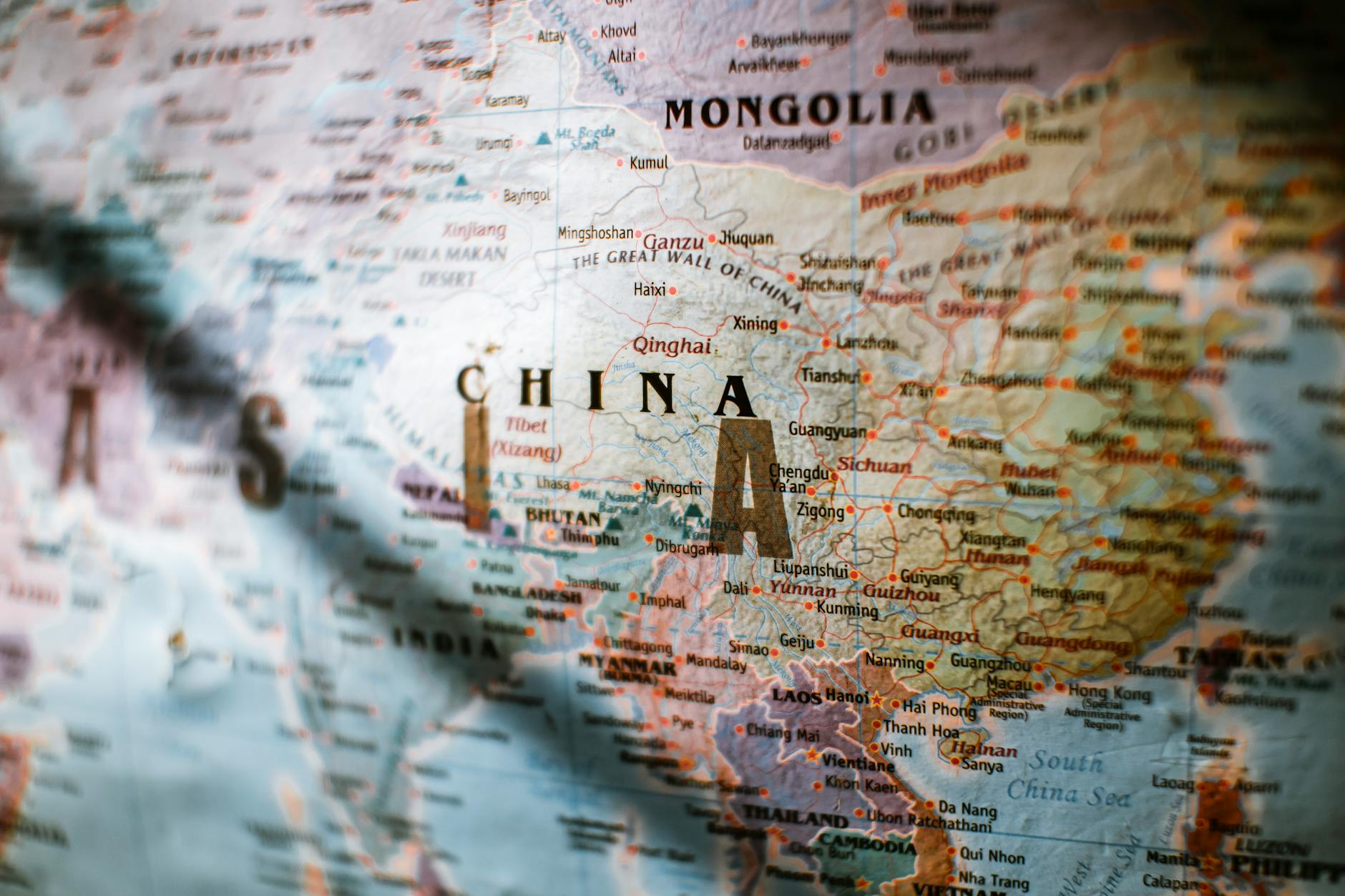
The Asia-Pacific is no longer navigating a single crisis so much as a layered contest of pressure points, where military signaling, cyber threats, and trade fragility are feeding one another. Recent reporting points to a region in which Chinese military activity, Japanese vigilance, and broader great-power rivalry are defining the security mood, while analysts warn that escalation remains constrained mainly by its economic cost.
The strategic competition between Washington and Beijing continues to set the tone. In 2026, that rivalry is shaping regional security priorities and economic governance, with the China Sea and Southeast Asia identified as the most vulnerable theaters of geopolitical tension. The result is a familiar but sharper pattern: states are hedging more aggressively, defense ministries are spending more, and security planners are preparing for persistent pressure rather than a single decisive confrontation.
That pressure is showing up in the maritime domain. Reports note that Chinese government vessel incursions around the Senkaku Islands have continued earlier in July, even if no major new incidents were recorded in the last 48 hours. In the South China Sea, recent missile signaling and a separate wooden baton incident have reinforced the sense that maritime disputes remain highly combustible, particularly for countries that rely on open sea lanes for trade and energy imports.
The security picture is broadening beyond ships and missiles. A cyberattack on Japanese frozen-food supplier Nichirei disrupted logistics and shipments, highlighting how quickly commercial infrastructure can become a strategic vulnerability. In Asia, where supply chains are tightly integrated and operating margins are thin, cyber disruption is not just an IT problem; it is a regional stability problem.
The wider message for the region is stark: deterrence is becoming more expensive, and resilience is becoming a strategic asset. Governments are moving to harden borders, diversify military capabilities, and protect supply chains, but the underlying geography of rivalry has not changed. Asia-Pacific remains one of the world’s most economically connected regions and one of its most strategically crowded, and that combination is what makes it dangerous.