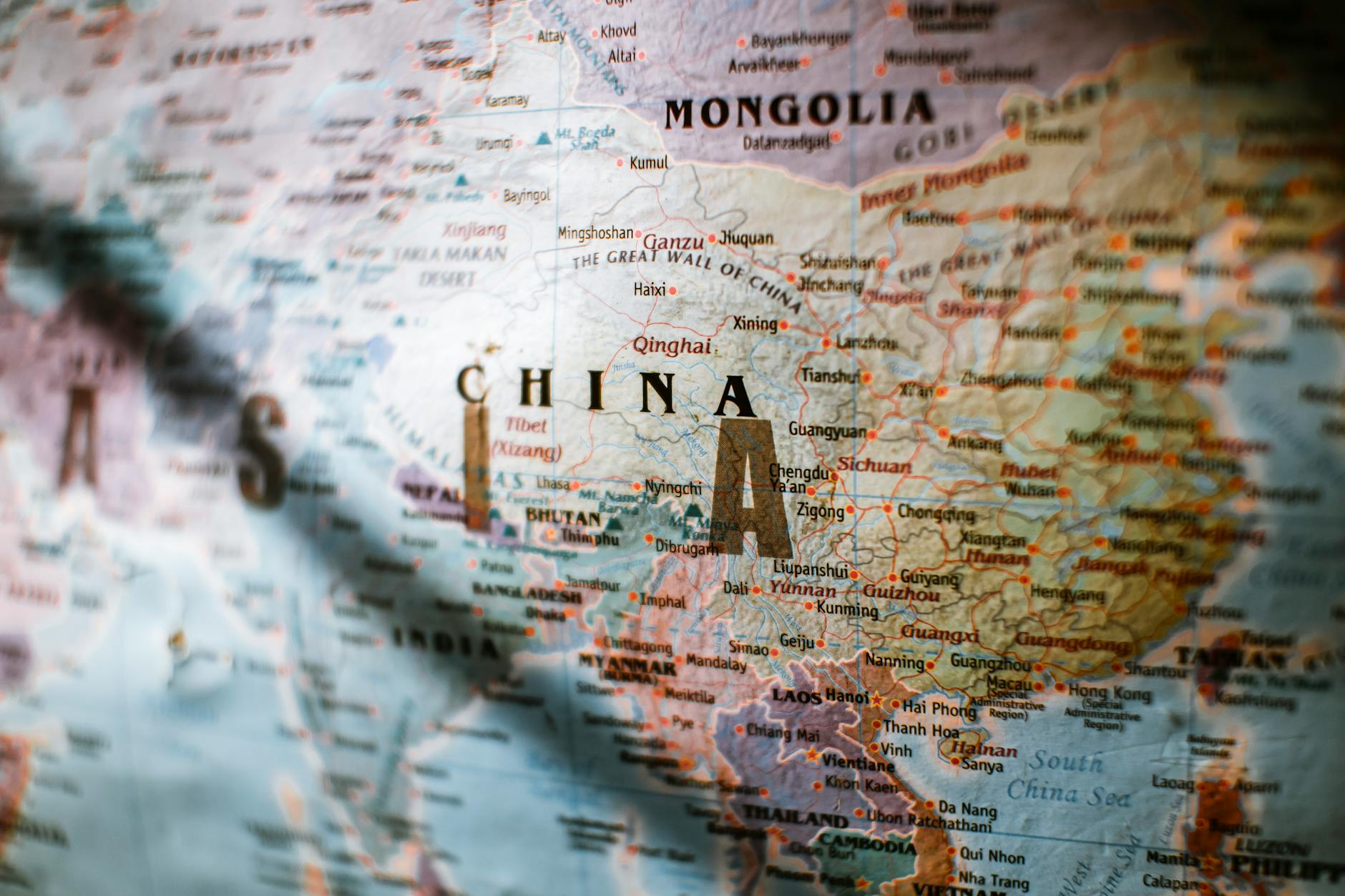
Southeast Asia is moving faster toward rearmament, and the reason is not abstract: governments are concluding that the region’s strategic environment is becoming less predictable. Analysts say military modernization is gathering pace across the region, especially in states such as Indonesia and the Philippines that face direct territorial friction with China.
The driver is a mixture of external pressure and internal caution. China’s continued military buildup near Korea and in the South China Sea has deepened the sense that hard power remains central to regional politics. At the same time, the erosion of the U.S. security umbrella and the unpredictability of American policy are prompting regional capitals to invest in their own defense capacity rather than depend on outside guarantees.
This is not simply a procurement story. It is a broader shift in strategic culture. Governments are looking for tools that can strengthen surveillance, coastal defense, air monitoring, and maritime denial without crossing into openly provocative behavior. In practical terms, that means more drones, radar, missiles, cyber defense, and intelligence-sharing arrangements.
The trend also reflects a sober reading of the region’s geography. The South China Sea remains one of Asia’s most important commercial arteries, and Southeast Asian states know that any disruption there would hit trade, energy flows, and investor confidence almost immediately. Defense spending is rising not because leaders expect war, but because they fear ambiguity.
The long-term risk is that a regional arms buildup could make day-to-day competition more intense even if it does not produce outright conflict. For now, Southeast Asian governments appear to believe that under-arming is a bigger danger than over-arming. That judgment is reshaping the region’s security architecture in real time.