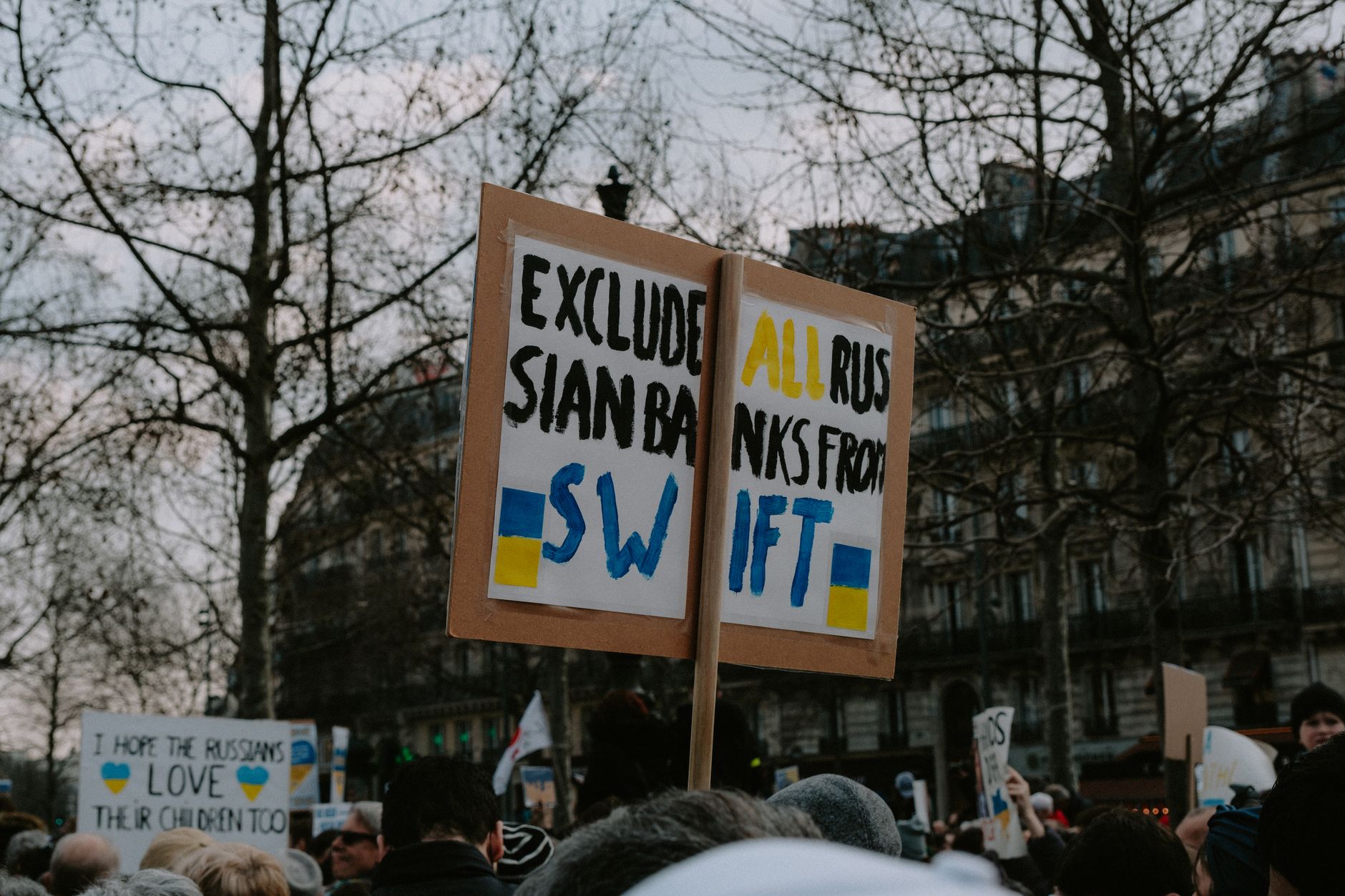
Europe’s sanctions regime keeps growing more complex, and more political, by the week. According to the latest reporting, Greece secured an exemption to continue shipping Russian LNG to non-EU clients, while ambassadors also agreed to freeze the cap on Russian oil at $44 per barrel for 12 months.[1]
On paper, the message is continuity: Europe still wants to squeeze Russia’s war economy while avoiding a direct shock to its own energy system. In practice, the exceptions reveal how difficult it has become to maintain a common line when national shipping interests, energy security concerns, and diplomatic fatigue all collide.[1]
This is not just a sanctions story. It is a reminder that Europe’s geopolitical leverage depends on internal discipline, and that discipline weakens every time a member state secures a carve-out that others must explain to their voters.[1]
The wider energy picture is no calmer. With oil prices rising on renewed conflict risk and concerns over chokepoints such as the Strait of Hormuz and the Red Sea, the EU remains exposed to supply disruptions it can neither police nor predict.[5][9]
Europe’s leaders continue to talk about strategic autonomy, but the latest sanctions adjustments show how conditional that autonomy still is. Brussels can set rules, but it still has to negotiate around national interests, market realities, and the global energy system.[1][5]