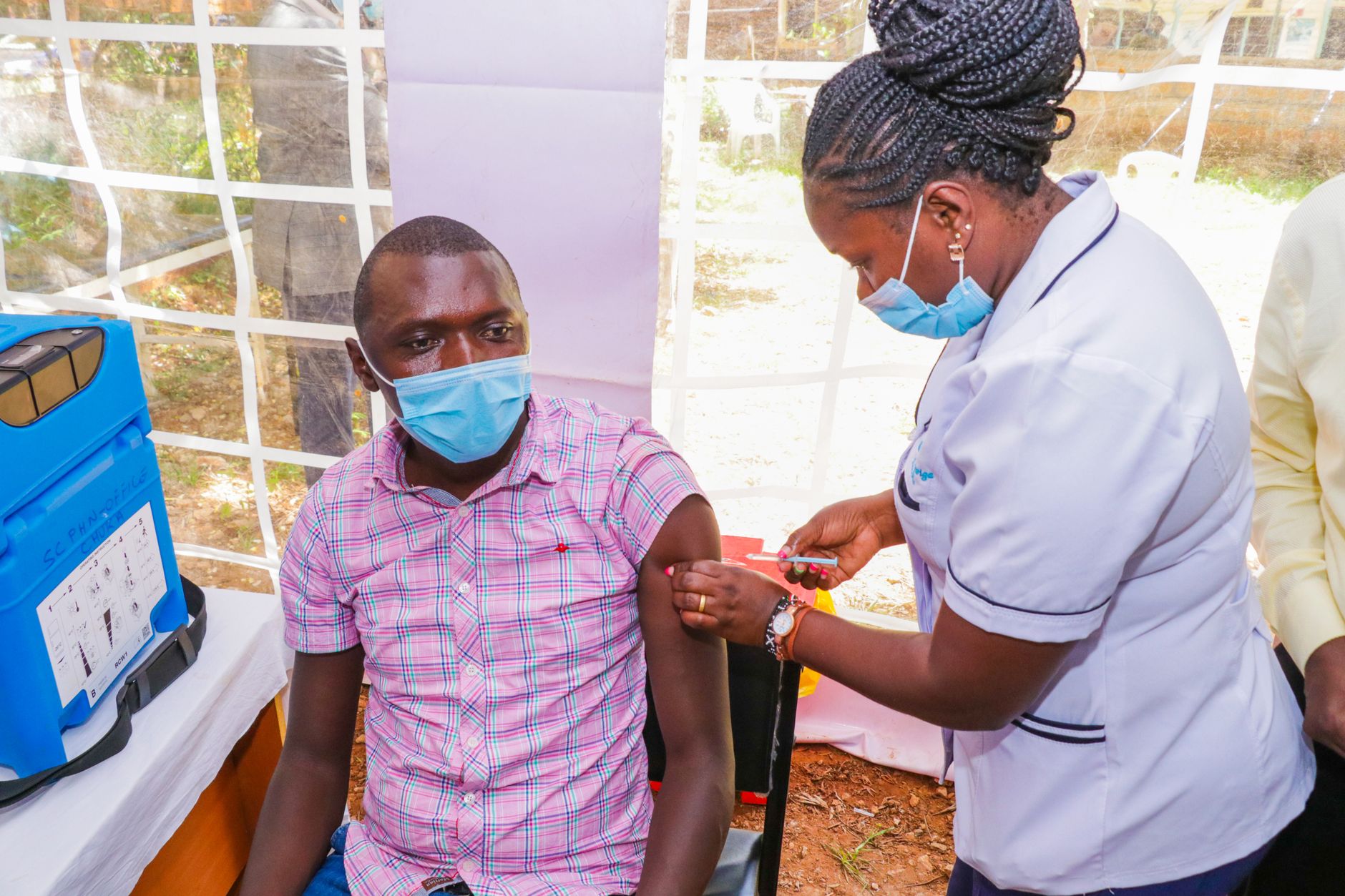
Kenya has secured one of the largest recent health commitments in Africa, with the United States pledging $1.6 billion over five years to strengthen disease prevention, surveillance and system resilience. The headline is not only the size of the package, but the way it will be delivered: directly through Kenyan government institutions rather than through non-governmental intermediaries.
That is a meaningful policy shift. For years, many external health programs in Africa have run through parallel structures that deliver services quickly but can leave state systems underdeveloped. Kenya’s agreement suggests a different model, one that tries to build public capacity rather than merely work around its weaknesses.
The priorities are clear: HIV, malaria, tuberculosis and emerging infectious diseases. The framework also aims to improve laboratories, digital health services and disease surveillance, all of which matter in a region where outbreaks can spread quickly and early detection often determines whether a crisis is contained or exported.
The gradual integration of more than 13,000 U.S.-supported health workers into the Kenyan public system could be one of the deal’s most important effects. If managed well, it may reduce duplication and strengthen continuity. If managed badly, it could expose the usual fault line in aid transitions: donors leave faster than ministries can absorb responsibility.
For President William Ruto’s government, the agreement is both an opportunity and a test. It offers money, credibility and institutional reinforcement, but it also raises the bar for delivery. A state-led health model only works if the state can administer it.