Europe’s leaders have spent years describing a more sovereign continent, but the language is now running into the arithmetic of defense, industry, and politics. The EU wants to be seen as a strategic actor, yet it still relies heavily on the United States for military deterrence, intelligence, and logistics. That tension is no longer theoretical; it is becoming the defining problem of European geopolitics.
The push for greater self-reliance has intensified as senior European figures argue that the continent must reduce dependence on America for its security. According to recent analysis, European leaders are explicitly calling for rebuilding military-industrial capacity rather than assuming the transatlantic alliance will remain enough on its own. The message is clear: Europe cannot keep outsourcing the hard parts of power while claiming strategic maturity.[2]
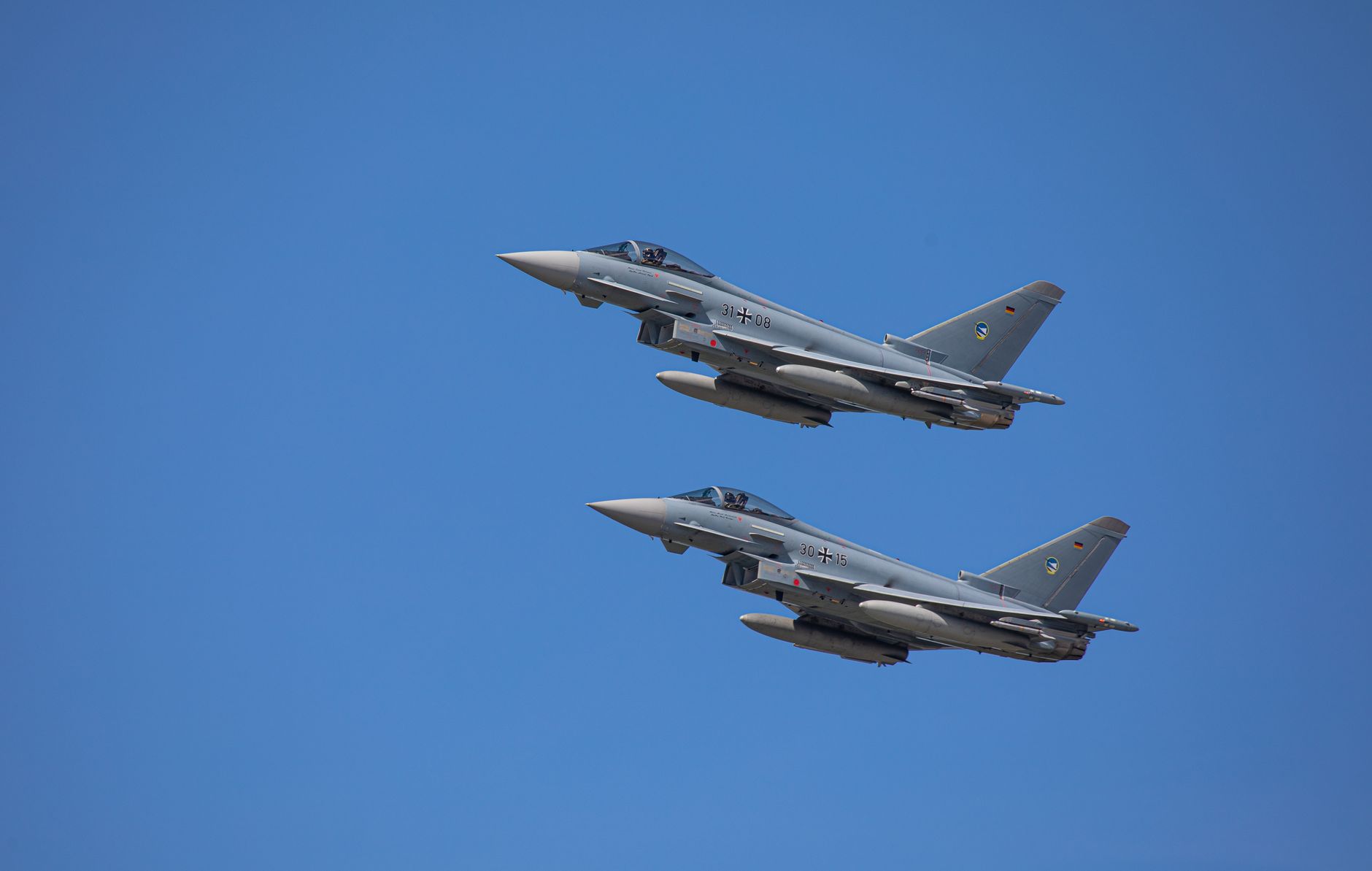
The institutional challenge is that Brussels can coordinate, but it cannot conjure tanks, shells, air defenses, or political will overnight. EU institutions cover defense-adjacent areas such as industry, trade, and the single market, but actual military capabilities remain national. That fragmentation makes Europe slower than its threats and more vulnerable to internal vetoes.[1]
The result is a continent caught between rhetoric and reality. Ukraine’s war has exposed the limits of Europe’s readiness, while broader instability on the eastern flank has made defense less of a niche policy than a central test of state capacity. The question is no longer whether Europe should become more self-sufficient, but whether it can do so before events force the issue.
If Europe cannot accelerate procurement, expand production, and align political priorities, “strategic autonomy” risks becoming a slogan for speeches rather than a framework for power. The continent still has the wealth and industrial base to change course. What it lacks is urgency—and, at least so far, a shared sense of what failure would cost.