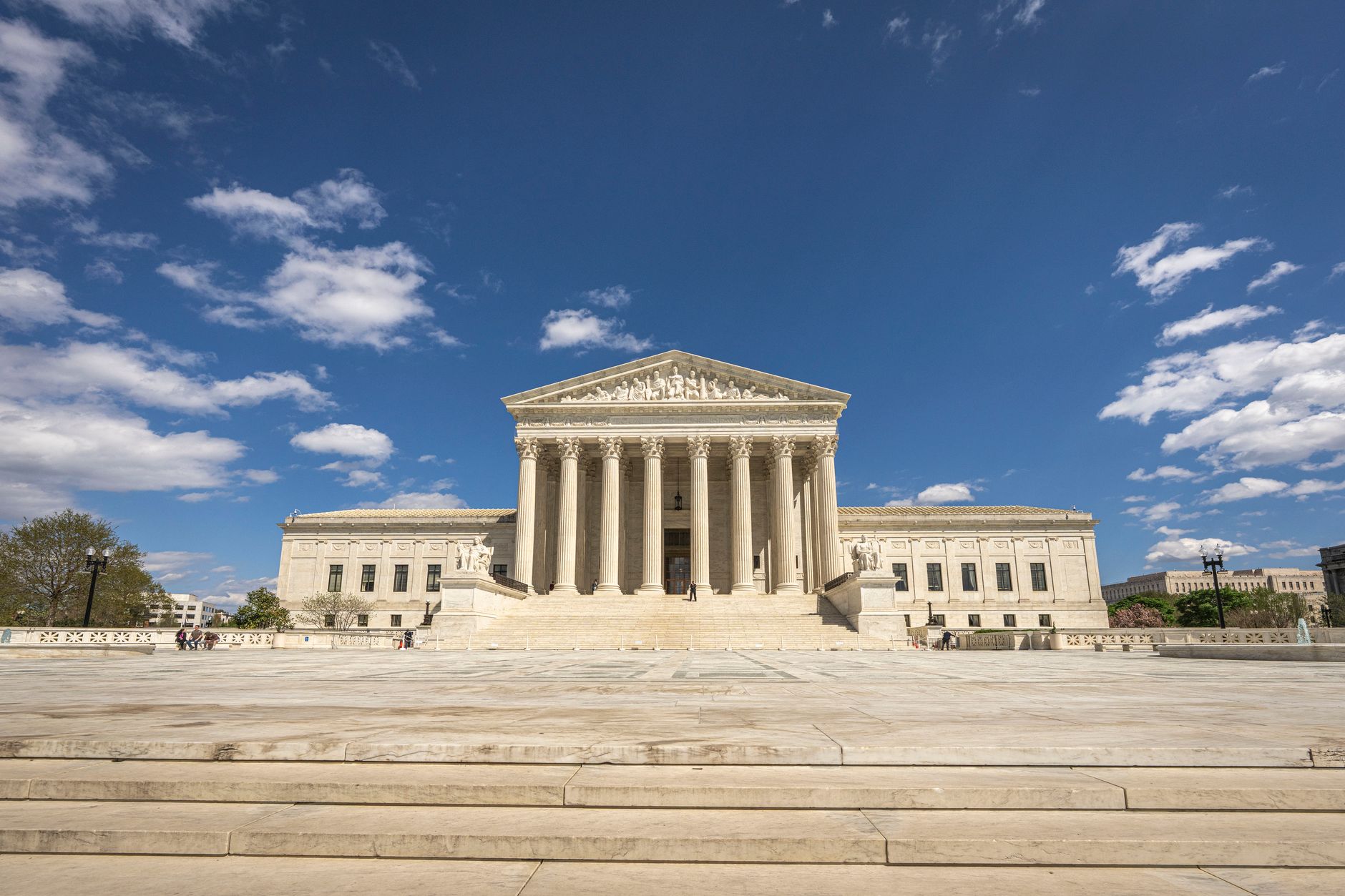
The Supreme Court has become the central arena where America’s biggest political fights are being settled, and this summer’s decisions have sharpened that reality. In one ruling, the justices rejected President Trump’s attempt to abolish birthright citizenship, preserving a constitutional protection rooted in the 14th Amendment. In another, they allowed states to ban transgender students from girls’ and women’s sports teams, a decision that further cements the Court’s conservative tilt on culture-war issues.
The pattern is familiar: the Court is narrowing some presidential ambitions while giving states, and in some cases political institutions, more room to act. That matters far beyond the headlines. Birthright citizenship speaks to the country’s basic definition of membership, while the sports ruling lands directly in schools, families and local districts already under intense political pressure.
Campaign finance is moving in the opposite direction. The Court also struck down a federal limit on coordinated spending by political parties and candidates, opening the door to even more money flowing through the campaign system. That decision will be celebrated by operatives who see money as protected speech and condemned by reformers who argue that American democracy is already drowning in donor influence.
The broader political message is that constitutional fights are no longer settled by consensus or legislation; they are being filtered through a Court willing to reshape the rules in real time. That gives winning coalitions more power, but it also makes every election feel more like a struggle over the machinery of government itself.
For the White House, the message is mixed. Trump has been blocked on one of his signature immigration goals, but the Court has also handed his ideological allies major wins on social policy and money in politics. The result is a governing landscape where the president may lose on one front and gain leverage on another, even in the same news cycle.