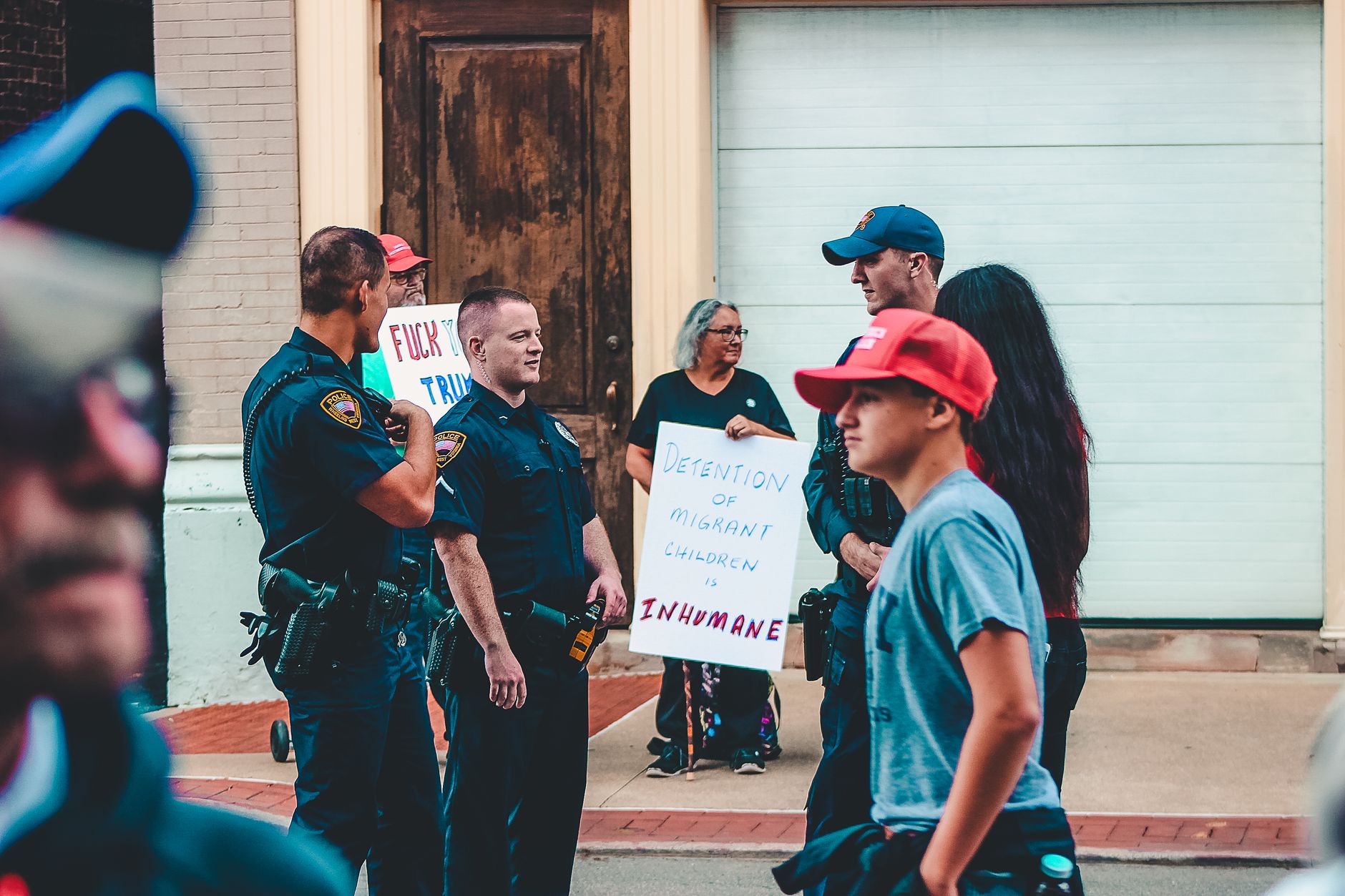
A federal court in Denver has become the latest to reject the Trump administration’s effort to keep immigrants detained indefinitely without access to a bond hearing, a policy that critics say turns civil immigration enforcement into something much closer to punishment. It is at least the fourth time a federal court has pushed back on the administration’s mass detention approach.
The legal question is narrow on paper and sweeping in practice: how much power does the government have to hold people while their cases move through the system? The administration has argued for a harder line on detention, especially for immigrants without criminal records who it says pose a burden or a risk. Judges, however, have repeatedly signaled that indefinite confinement without meaningful review crosses a constitutional boundary.
That dispute has become a proxy fight over the identity of the country itself. Supporters of stricter enforcement frame detention as a necessary tool of sovereignty and border control. Opponents see a system that is expanding beyond removal and into a broader machinery of fear, delay and coerced compliance.
The political significance is larger than the courtroom. Immigration remains one of the most emotionally charged issues in American public life, and detention policy is where abstract slogans become concrete reality. The people caught in the system are not debating theory; they are waiting in custody, often with families, jobs and legal claims hanging in the balance.
The courts have not resolved the national debate, but they have made one thing clearer: the administration’s efforts to normalize long-term detention are running into sustained judicial resistance. That means the fight over immigration is increasingly being waged not only at the border, but in the constitutional limits of what the government can do once it has a person in custody.