Southeast Asia is entering a more defensive phase of regional security. One sign is Bangladesh’s decision to build a 108-kilometer fence along its border with Myanmar, a move officials linked to instability in Rakhine State and rising cross-border crime.[1] Another is the continuing sensitivity around maritime flashpoints that keep East and Southeast Asian militaries on alert.[1][3]
These steps reflect a broader reality: states are no longer treating border security as a narrow law-enforcement issue. They are treating it as a strategic problem shaped by displacement, trafficking, irregular armed groups, and the spillover effects of violence in neighboring territories.[1] In that sense, fences, patrols, and coast-guard deployments are becoming part of a wider regional containment strategy.
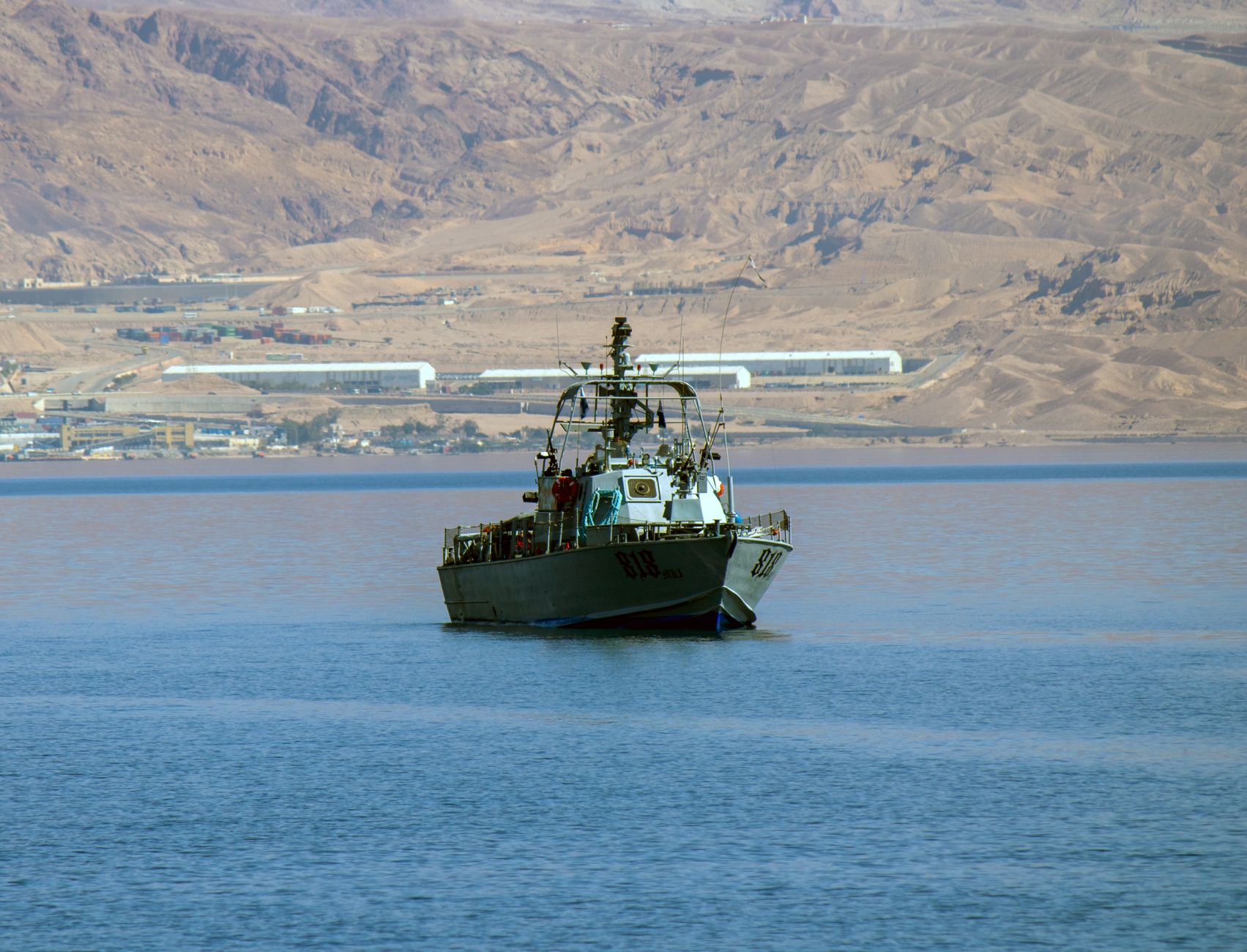
At sea, the risk is different but related. Disputed waters remain a stage for coercive signaling, even when there is no immediate escalation.[3][6] The issue is less the possibility of all-out conflict than the steady normalization of pressure tactics that increase the odds of an accident or miscalculation.
This matters because Southeast Asia sits at the intersection of multiple corridors: major shipping lanes, energy routes, and fragile borderlands. That makes it a strategic prize and a strategic vulnerability at the same time. Any disruption can quickly affect food prices, logistics, migration, and domestic politics across several countries at once.[4][6]
Regional governments appear to understand this shift. The common response is no longer to assume stability, but to prepare for recurring instability and manage it through layered defenses. That may reduce immediate risk, but it also signals a less open and more militarized neighborhood.[1][3][6]